
Categories
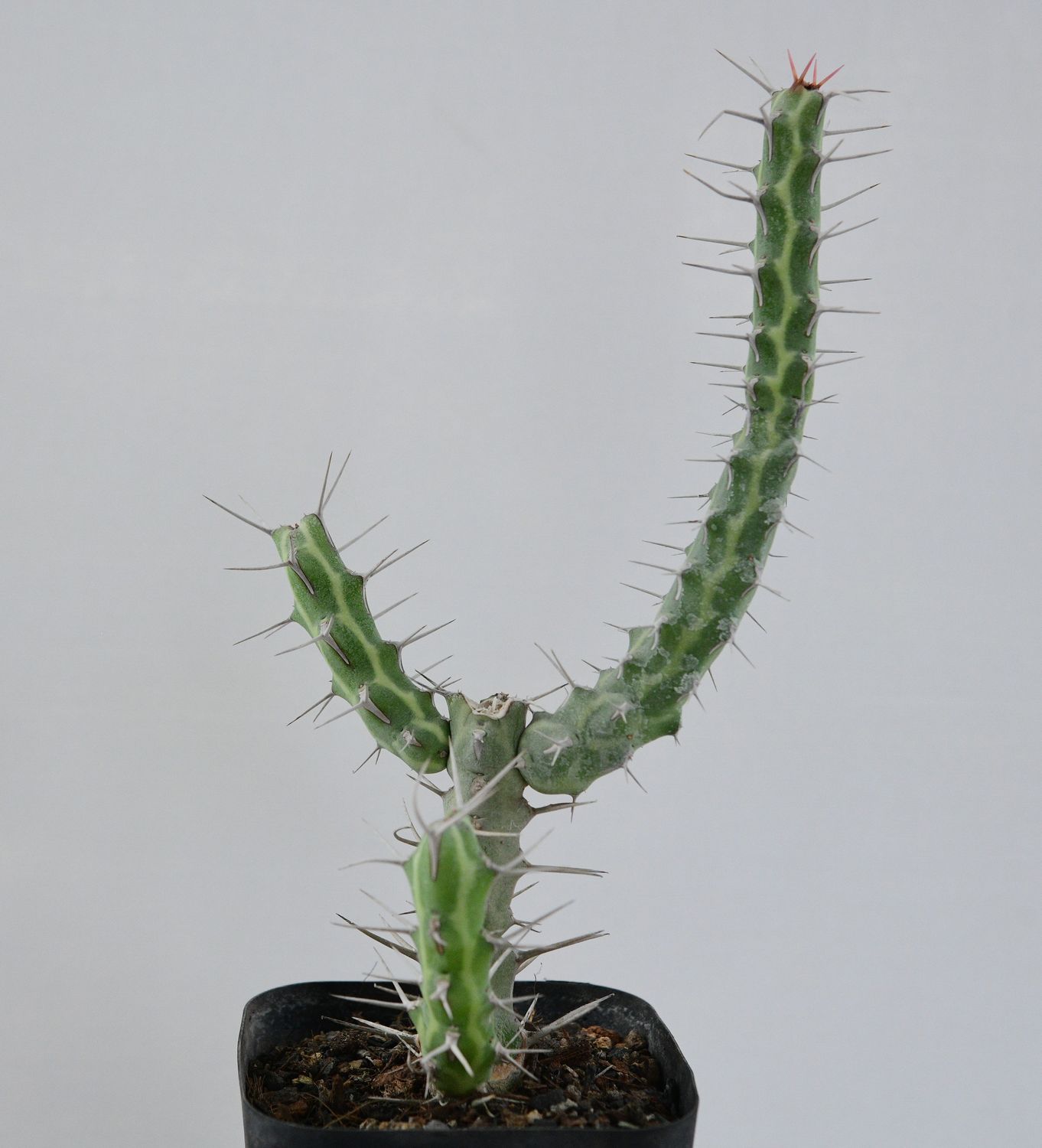
Euphorbia samburensis
SKU EU098
₹390.00
In stock: 1 available
1
Save this product for later
Customer reviews
Reviews only from verified customers
No reviews yet. You can buy this product and be the first to leave a review.
Euphorbia samburensis
Product Details
Same plant will be sent.
Origin of Name
The name "Euphorbia samburensis" is derived from its discovery location near the Samburu district in Kenya, indicating its native habitat and adding a geographic identifier to its botanical name. The genus name "Euphorbia" honors the Greek physician Euphorbus, who served King Juba II of Numidia (now Algeria). King Juba II named the plant after his physician due to its medicinal properties.
Technical Description of Plant
Euphorbia samburensis features a tree-like growth habit, with a thick, succulent trunk that branches out to form a dense canopy of slender, green branches. The branches are segmented and may have small leaves that fall off as they mature. The plant's surface is dotted with small spines that emerge from ridges along the branches, providing a distinctive texture. Euphorbia samburensis blooms with small, yellow flowers that cluster around the tops of the branches, typically in late spring to early summer.
Origin of Plant
Native to Kenya, Euphorbia samburensis thrives in arid and semi-arid regions, showcasing its remarkable drought tolerance. Its natural habitat consists of rocky outcrops and dry savannahs, where it has adapted to survive with minimal water and high temperatures.
Conservation Status
While not currently listed as endangered, Euphorbia samburensis, like many succulent species, faces threats from habitat destruction and illegal collection. Conservation efforts focus on habitat preservation and promoting sustainable cultivation to ensure the survival of this species in the wild.
Care Instructions
Euphorbia samburensis requires well-draining soil and a pot with adequate drainage holes to prevent root rot. It prefers full sun to partial shade, thriving with plenty of light to encourage growth and flowering. Water the plant sparingly, allowing the soil to dry out completely between waterings, and reduce watering frequency during the winter months. This species is relatively low-maintenance but should be handled with care due to its toxic sap, which can irritate skin and mucous membranes. It is frost-sensitive and should be protected from cold temperatures or brought indoors in regions that experience frost.
You May Also Like
New


Monsoon Guardian Kit (5 in 1)
Monsoon Guardian Kit (5 in 1)
Complete 5-in-1 biological protection kit for cacti & succulents
SKU MNS024
₹850.00


Cactus & Succulent Planting Mix FINE (aka Cactus Soil Mix or Succulent Soil Mix)
Cactus & Succulent Planting Mix FINE (aka Cactus Soil Mix or Succulent Soil Mix)
Fine-Grain Potting Mix for Cactus & Succulent Roots
SKU MNS001
5.0
(3)
₹39.85

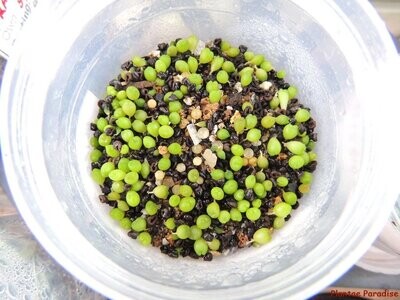
Cactus Seed Planting Mix
Cactus Seed Planting Mix
Sterile, Fine-Grain Media for Cactus & Succulent Seeds
SKU MNS005
₹74.85
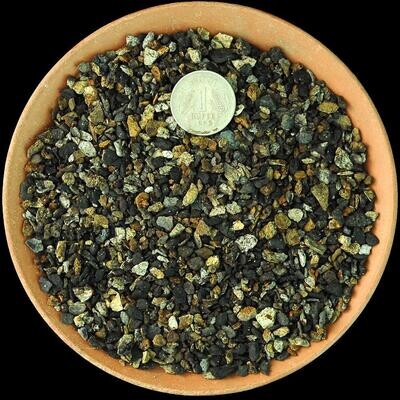
Cactus & Succulent Planting Mix COARSE (aka Cactus Soil Mix or Succulent Soil Mix)
Cactus & Succulent Planting Mix COARSE (aka Cactus Soil Mix or Succulent Soil Mix)
Washed, Free-Draining Mineral Mix for Cactus & Succulents
SKU MNS003
5.0
(1)
₹44.85
Display prices in:INR
