
Categories
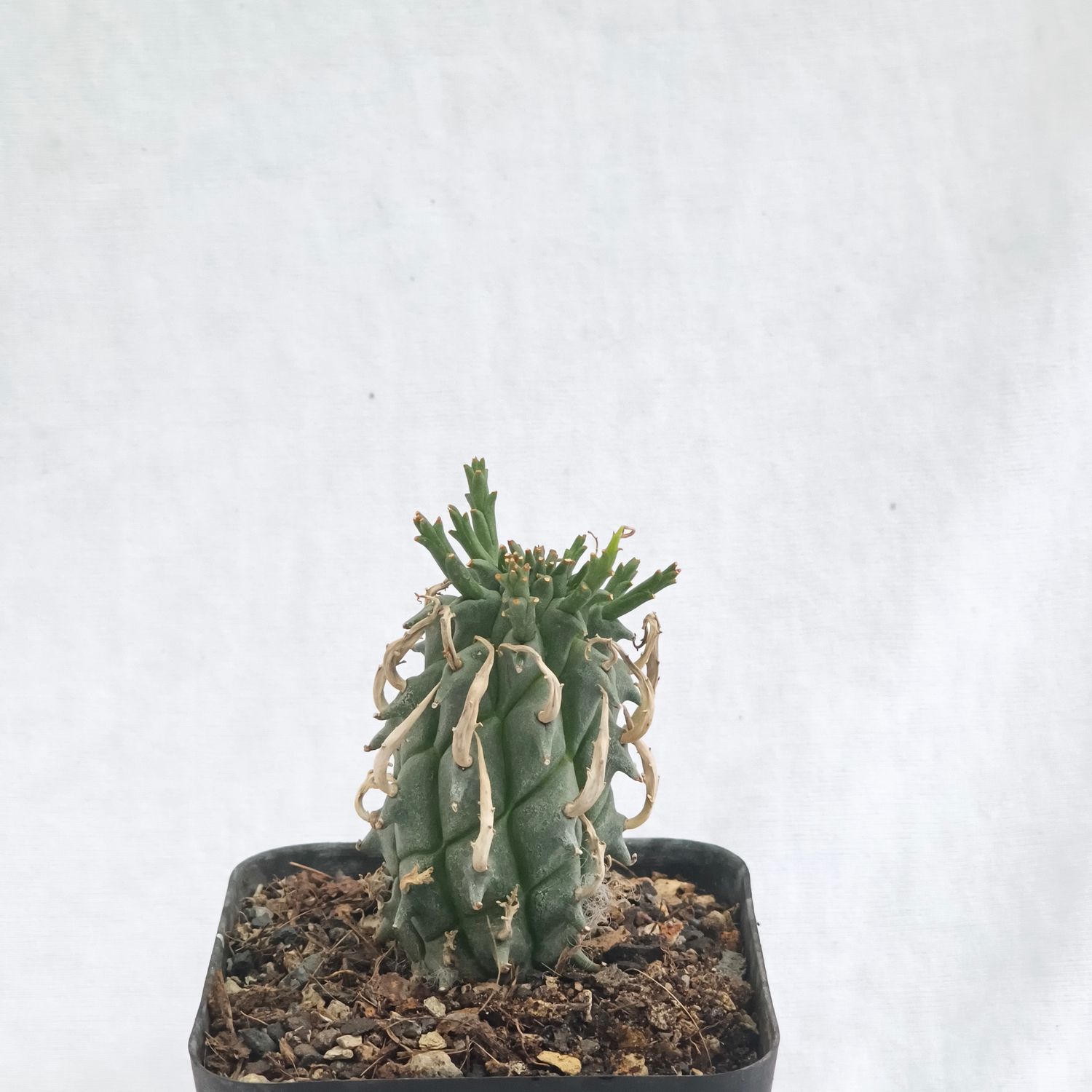
Euphorbia schoenlandii
SKU EU169A
₹3 850.00
In stock: 1 available
1
Save this product for later
Customer reviews
Reviews only from verified customers
No reviews yet. You can buy this product and be the first to leave a review.
Euphorbia schoenlandii
Product Details
The Sculptural Sentinel: Euphorbia schoenlandii
An architectural marvel for the serious collector, prized for its formidable spiny "armour" and ancient, club-like silhouette.
- Origin & History of Name: The genus Euphorbia honors Euphorbus, the Greek physician to King Juba II of Numidia. The specific epithet schoenlandii commemorates Dr. Selmar Schönland, a significant German-South African botanist and founder of the Albany Museum herbarium, who was instrumental in documenting the Cape Colony's flora in the late 19th century.
- Morphology: This species is characterized by a thick, cylindrical stem (pachycaul) featuring prominent, spirally arranged tubercles. Each tubercle is tipped with a persistent, woody peduncle—a sterile floral stalk that remains on the plant as a protective, thorn-like structure. Its epidermis is a matte grey-green, providing a stark contrast to the rigid, straw-colored spines.
- Habitat & Origin: Euphorbia schoenlandii is a wild species endemic to the Namaqualand region of the Western Cape, South Africa. It thrives in arid, winter-rainfall shrublands. All specimens should be sourced from nursery-propagated stock to prevent the poaching of slow-growing wild populations in these sensitive biomes.
- Cultivation Profile:
- Substrate: Use a strictly mineral-based mix (70% grit such as pumice, perlite, or crushed brick mixed with 30% coarse sand/loam) to ensure rapid drainage.
- Light: Requires bright, direct sunlight. In the Indian subcontinent, provide overhead shade during the peak of May/June to prevent epidermal scorching.
- Water/Dormancy: Water moderately during the cooler growing months. In the Indian monsoon, keep the plant strictly dry under cover; it enters a semi-dormancy during high heat and humidity and is highly susceptible to root rot if overwatered.
- Scientific/Historical Anecdote: Unlike many cacti that evolved true spines from modified leaves, Euphorbia schoenlandii utilizes "spinose peduncles." These are technically dried-out flower stalks that the plant repurposed into a defensive cage, a fascinating example of convergent evolution where unrelated plants develop similar survival traits to deter herbivores.
You May Also Like

FORTIFIED Cactus & Succulent SOIL (FINE)
FORTIFIED Cactus & Succulent SOIL (FINE)
SKU MNS002
5.0
(4)
₹49.85

Cactus & Succulent Planting Mix COARSE (aka Cactus Soil Mix or Succulent Soil Mix)
Cactus & Succulent Planting Mix COARSE (aka Cactus Soil Mix or Succulent Soil Mix)
Washed, Free-Draining Mineral Mix for Cactus & Succulents
SKU MNS003
5.0
(1)
₹44.85

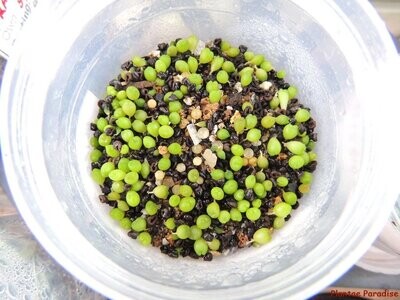
Cactus Seed Planting Mix
Cactus Seed Planting Mix
Sterile, Fine-Grain Media for Cactus & Succulent Seeds
SKU MNS005
₹74.85
New

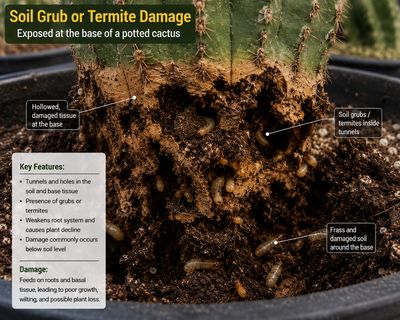
Monsoon Guardian Kit (5 in 1)
Monsoon Guardian Kit (5 in 1)
Complete 5-in-1 biological protection kit for cacti & succulents
SKU MNS024
₹850.00
Display prices in:INR
