
Categories
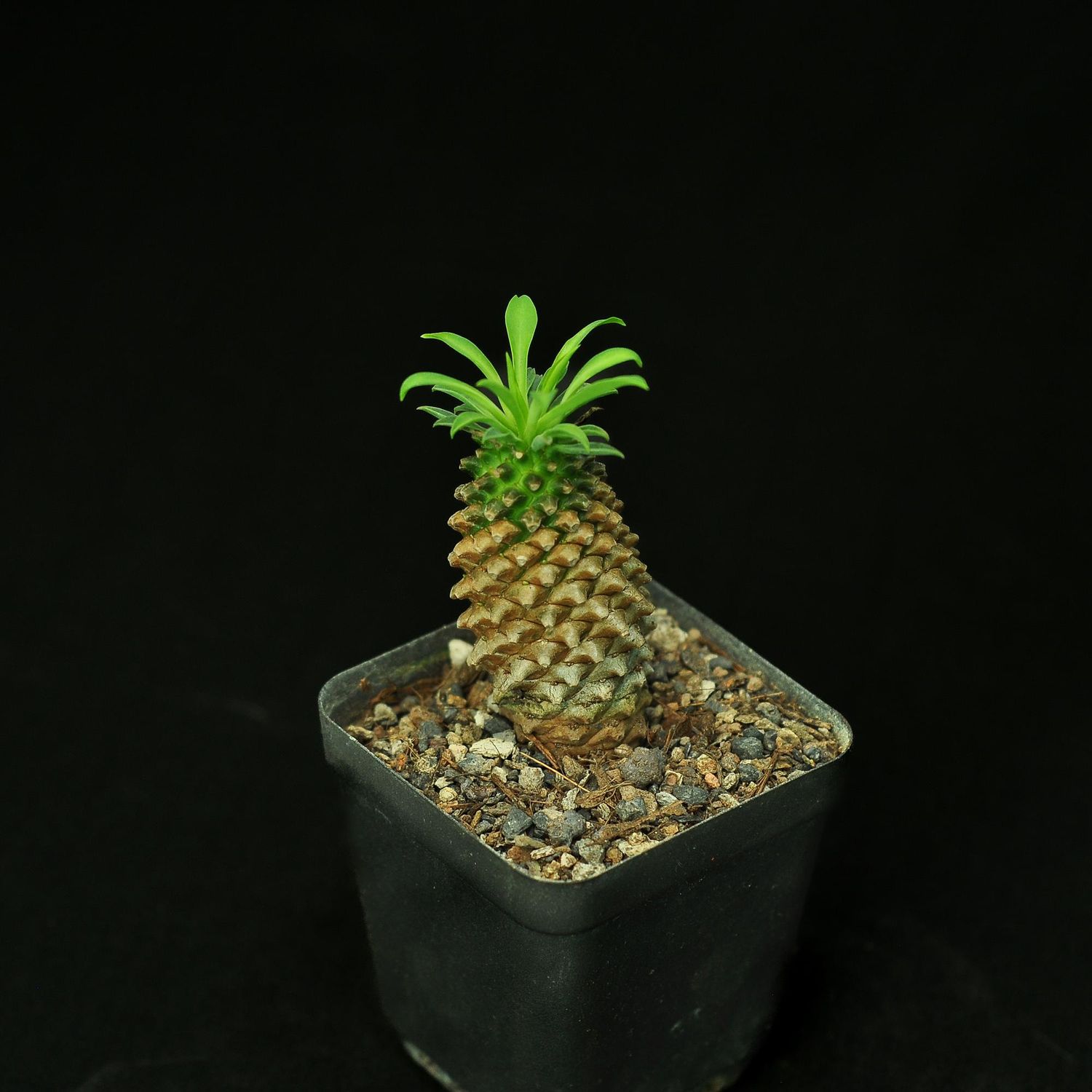
Euphorbia sotetsu kirin
5.0
1 review
Reviews from verified customers who have purchased products at this store.
SKU EU060
₹700.00
Sold out
Sold out
Save this product for later
Customer reviews
Reviews only from verified customers
Reviews are only accepted from verified customers who have signed in and purchased the products. This ensures that each review is based on genuine customer experiences. All reviews are checked before publication to prevent spam.
Pst. D.
Chicalim,
India
Tue, May 6, 2025
This customer didn’t leave a review but rated the product.
Euphorbia sotetsu kirin
Product Details
Same size plant as shown will be sent. It is a hybrid of E Bupleurifolia x E mammilaris. Known as Sotetsu-kirin or Kaimagyoku in Japan where it was presumably hybridized.
Common Names:
- Kirin Euphorbia
- Sotetsu Kirin
Scientific Classification:
- Kingdom: Plantae
- Clade: Angiosperms
- Order: Malpighiales
- Family: Euphorbiaceae
- Genus: Euphorbia
- Species: E. sotetsu
- Cultivar: ‘Kirin’
Description:
Euphorbia sotetsu kirin is a highly ornamental succulent cultivar, distinguished by its aberrant growth morphology and horticultural appeal. It is a monstrose (mutated) form of Euphorbia sotetsu, exhibiting irregular, clustered, and often contorted stems. The stems are cylindrical, glabrous, and green, with a slightly textured epidermis. Unlike the typical E. sotetsu, this cultivar lacks prominent spines and leaves, resulting in a smooth, sculptural appearance. The plant produces small, inconspicuous cyathia (characteristic inflorescences of the Euphorbiaceae family), though these are secondary to its ornamental value.
Origin of the Name:
The genus name Euphorbia is derived from Euphorbus, the Greek physician to King Juba II of Mauretania, who first documented medicinal uses of euphorbias. The species name sotetsu is a Japanese term referring to the cycad Cycas revoluta, likely due to the plant’s morphological resemblance to cycads. The cultivar name ‘Kirin’ is inspired by the mythical East Asian creature, symbolizing rarity, elegance, and auspiciousness, reflecting the plant’s unique and aesthetic form.
Origin of the Plant:
Euphorbia sotetsu is indigenous to East Asia, particularly Japan and Taiwan, where it thrives in arid, rocky environments. The ‘Kirin’ cultivar is a horticultural mutation, selectively propagated for its aberrant growth patterns and ornamental value. It is not found in the wild and is primarily cultivated in nurseries and private collections.
Conservation Status:
Euphorbia sotetsu is not listed on the IUCN Red List. However, like many succulent species, it may face threats from habitat degradation and overcollection. The ‘Kirin’ cultivar, being a cultivated form, does not impact wild populations and is propagated sustainably for horticultural purposes.
Ecological Role:
In its native habitat, Euphorbia sotetsu contributes to arid ecosystems by providing microhabitats for small fauna and attracting pollinators such as bees and ants. The ‘Kirin’ cultivar, however, is primarily grown for ornamental purposes and does not play a significant ecological role.
Cultivation and Care:
- Light: Prefers bright, indirect light or partial sun. Excessive direct sunlight may cause photoinhibition or epidermal damage.
- Water: Requires minimal watering, adhering to the “soak and dry” method. Allow the substrate to dry completely between waterings to prevent root rot.
- Soil: Utilize a well-draining, mineral-rich substrate, such as a cactus or succulent mix amended with pumice or perlite.
- Temperature: Optimal growth occurs within a range of 60–85°F (15–29°C). Protect from temperatures below 50°F (10°C) to avoid cold damage.
- Propagation: Propagated vegetatively through stem cuttings. Allow cuttings to callous for several days before planting in a well-draining medium.
Why It’s Special:
Euphorbia sotetsu kirin is a horticultural gem, valued for its aberrant growth morphology and smooth, spineless stems. Its compact, sculptural form makes it a prized specimen for succulent enthusiasts and collectors.
Perfect For:
- Succulent collections
- Ornamental displays in rock gardens, xeriscapes, or containers
- Indoor cultivation in bright, arid environments
You May Also Like
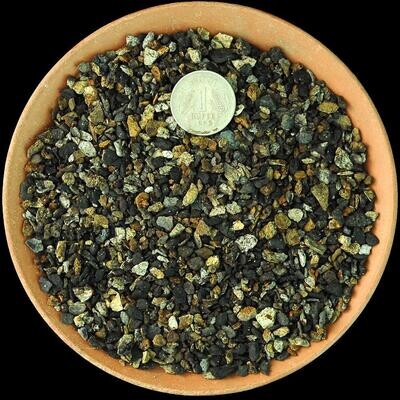
Cactus & Succulent Planting Mix COARSE (aka Cactus Soil Mix or Succulent Soil Mix)
Cactus & Succulent Planting Mix COARSE (aka Cactus Soil Mix or Succulent Soil Mix)
Washed, Free-Draining Mineral Mix for Cactus & Succulents
SKU MNS003
5.0
(1)
₹44.85
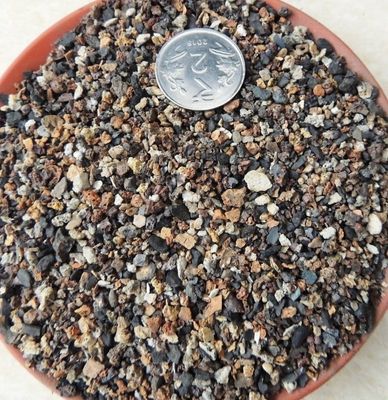
Cactus & Succulent Planting Mix FINE (aka Cactus Soil Mix or Succulent Soil Mix)
Cactus & Succulent Planting Mix FINE (aka Cactus Soil Mix or Succulent Soil Mix)
Fine-Grain Potting Mix for Cactus & Succulent Roots
SKU MNS001
5.0
(3)
₹39.85
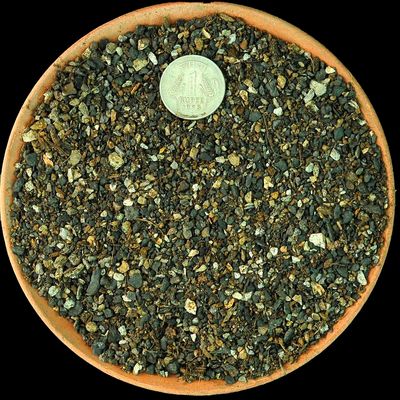
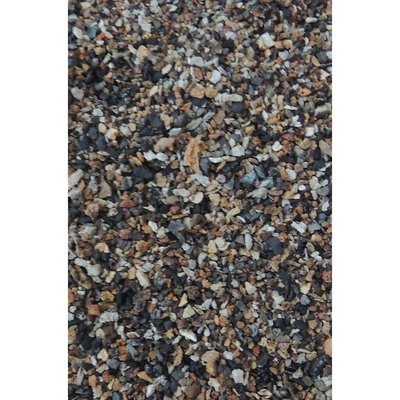
FORTIFIED Cactus & Succulent SOIL (FINE)
FORTIFIED Cactus & Succulent SOIL (FINE)
SKU MNS002
5.0
(4)
₹49.85
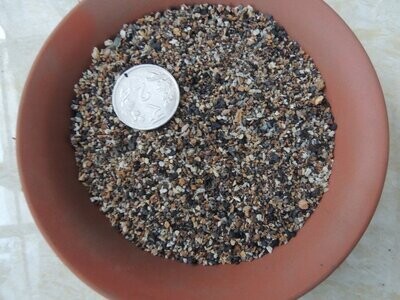
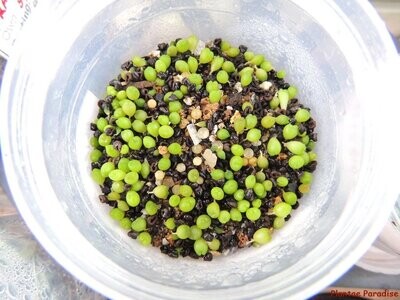
Cactus Seed Planting Mix
Cactus Seed Planting Mix
Sterile, Fine-Grain Media for Cactus & Succulent Seeds
SKU MNS005
₹74.85
Display prices in:INR
