
Categories
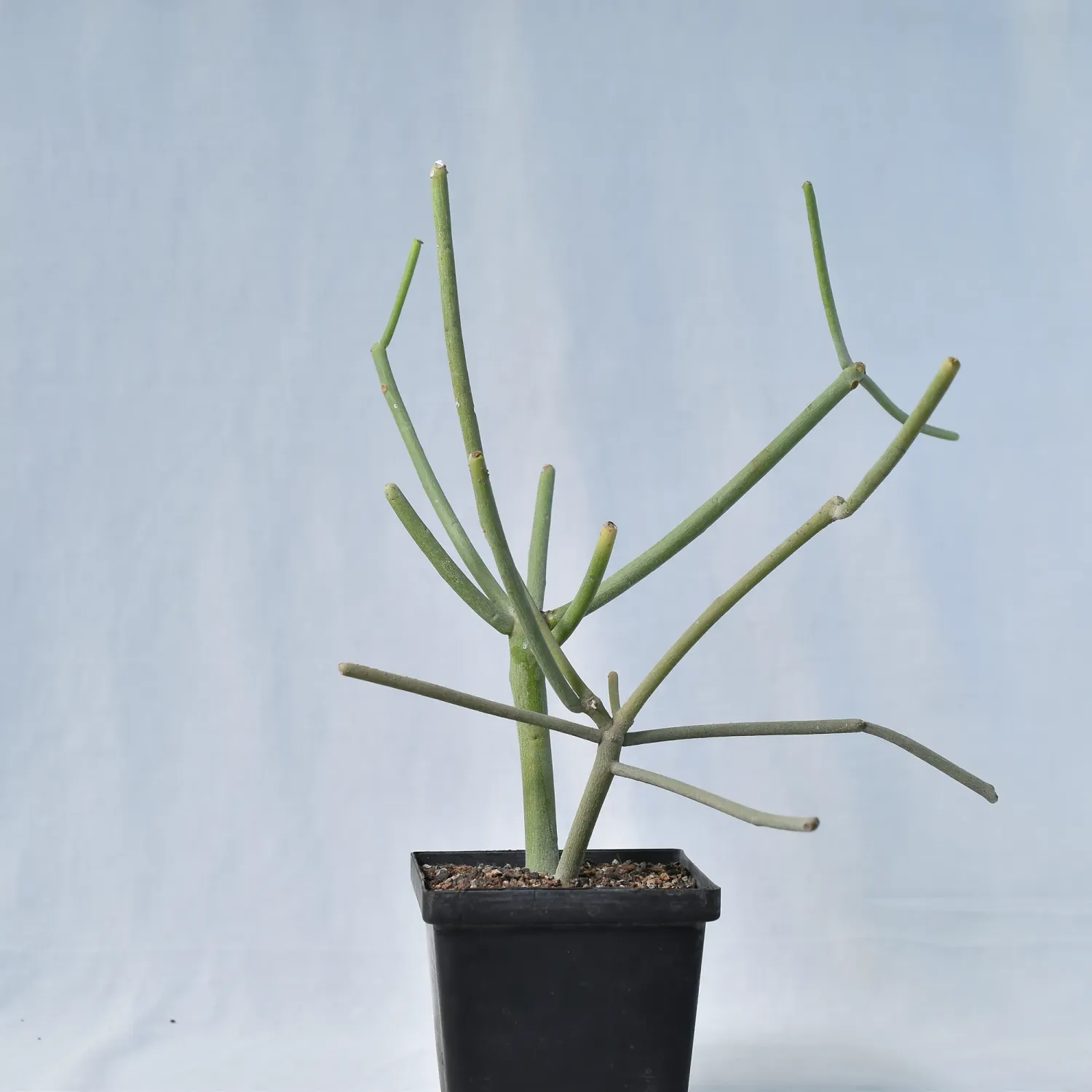
Euphorbia tirucalli Pencil Tree
SKU EU104
₹250.00
Sold out
A sleek, architectural succulent with minimalist vertical appeal.
Sold out
Save this product for later
Customer reviews
Reviews only from verified customers
No reviews yet. You can buy this product and be the first to leave a review.
Euphorbia tirucalli Pencil Tree
Product Details
Architectural Minimalist: Euphorbia tirucalli 'Pencil Tree'
A living sculpture of coral-like stems, this succulent offers a striking vertical silhouette for the modern collector.
- Origin & History of Name: The genus Euphorbia was named by King Juba II of Numidia in honor of his Greek physician, Euphorbus, who utilized the plant’s caustic latex for medicinal purposes. The specific epithet tirucalli is derived from "Tiru-Kalli," the native Malayalam name for the plant in Kerala, India, documented as early as the 17th century in the Hortus Malabaricus.
- Morphology: This succulent is characterized by its cylindrical, photosynthetic stems (cladodes) that lack traditional leaves to minimize transpiration. The smooth green epidermis houses a milky, toxic latex system.
While the wild form is green, the plant produces inconspicuous, tiny flowers (cyathia) at the branch tips during its reproductive phase. - Habitat & Origin: Euphorbia tirucalli is a wild species native to semi-arid tropical climates across East and Southern Africa, though it has been naturalized in India for centuries.
It is highly sustainable and drought-tolerant, often used in rural India as "living fences" due to its dense growth habit and deer-resistant properties. - Cultivation Profile:
- Substrate: A gritty, mineral-based mix (50% coarse sand or crushed brick, 25% perlite, 25% garden soil) to ensure rapid drainage during monsoon.
- Light: Thrives in full sun to bright indirect light; in the Indian context, midday summer shade is recommended to prevent stem scorching in temperatures above 40°C.
- Water/Dormancy: Water deeply only when the substrate is completely dry. Reduce watering significantly during the winter months and the peak of the monsoon to prevent root rot.
- Scientific/Historical Anecdote: In the mid-20th century, the chemist Melvin Calvin explored Euphorbia tirucalli as a potential source of "petroleum." Because its latex is composed of hydrocarbons similar to those in gasoline, it was estimated that an acre of these trees could potentially produce 10 to 50 barrels of oil per year.
You May Also Like
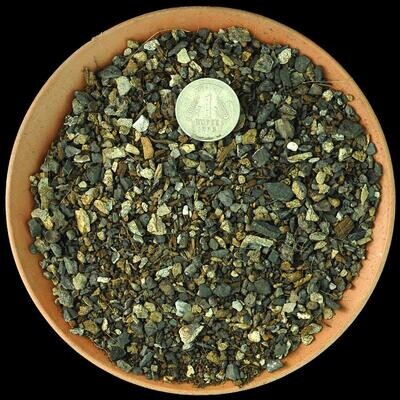
FORTIFIED Cactus & Succulent SOIL (COARSE)
FORTIFIED Cactus & Succulent SOIL (COARSE)
SKU MNS004
5.0
(11)
₹54.85
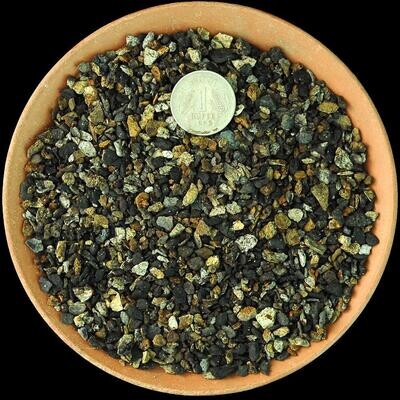
Cactus & Succulent Planting Mix COARSE (aka Cactus Soil Mix or Succulent Soil Mix)
Cactus & Succulent Planting Mix COARSE (aka Cactus Soil Mix or Succulent Soil Mix)
Washed, Free-Draining Mineral Mix for Cactus & Succulents
SKU MNS003
5.0
(1)
₹44.85

Cactus & Succulent Planting Mix FINE (aka Cactus Soil Mix or Succulent Soil Mix)
Cactus & Succulent Planting Mix FINE (aka Cactus Soil Mix or Succulent Soil Mix)
Fine-Grain Potting Mix for Cactus & Succulent Roots
SKU MNS001
5.0
(3)
₹39.85


Cactus Seed Planting Mix
Cactus Seed Planting Mix
Sterile, Fine-Grain Media for Cactus & Succulent Seeds
SKU MNS005
₹74.85
Display prices in:INR
