
Categories
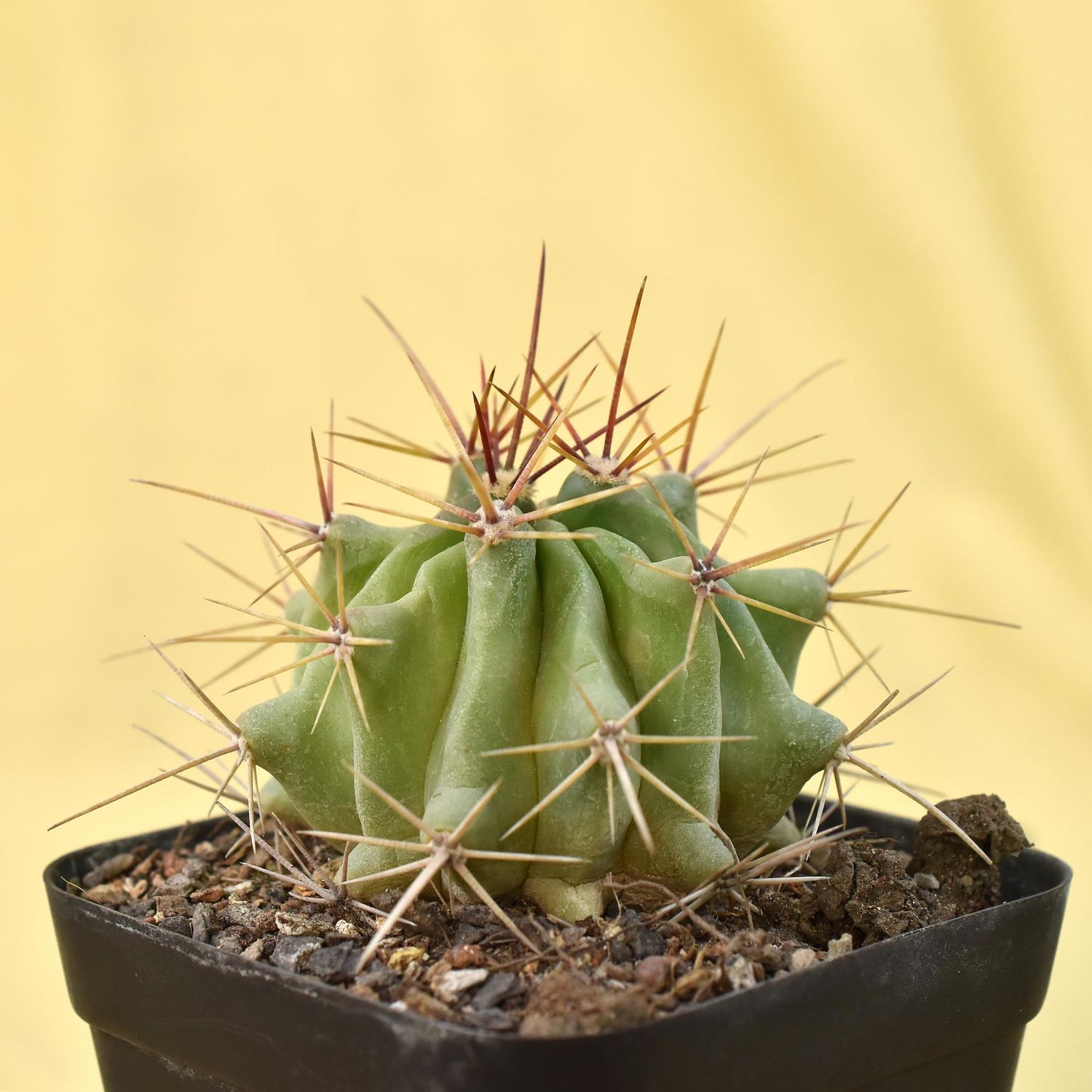
Ferocactus Acanthodes Var. Lecontei
SKU FC008
₹450.00
In stock: 5 available
1
Save this product for later
Customer reviews
Reviews only from verified customers
No reviews yet. You can buy this product and be the first to leave a review.
Ferocactus Acanthodes Var. Lecontei
Product Details
Desert Sentinel: Ferocactus acanthodes var. lecontei
A sculptural masterpiece for the connoisseur, prized for its formidable, interlocking spine architecture and desert resilience.
- Origin & History of Name: The genus name Ferocactus is derived from the Latin ferox (fierce), referring to the plant's heavy spination.
This variety is named in honor of John Lawrence LeConte, a 19th-century American entomologist and naturalist who collected extensively in the American West. It was officially described in the mid-1800s during the early botanical surveys of the Colorado Desert. - Morphology: This barrel-shaped cactus features a glaucous green epidermis organized into deep, vertical costae (ribs). It is distinguished by its dense areoles which produce flattened, often curved, red-to-grey radial and central spines. Unlike some congeners, this variety tends to remain more cylindrical and slender as it matures, focusing its energy on a complex, protective cage of spines rather than sheer girth.
- Habitat & Origin: This is a wild species native to the arid regions of the Southwestern United States (specifically Arizona and California) and Northwestern Mexico. All specimens should be sourced from nursery-grown seeds or offsets; sustainable trade is vital as wild populations are protected under CITES Appendix II to prevent habitat poaching.
- Cultivation Profile:
- Substrate: Use a strictly mineral-based mix (70% grit/pumice, 30% organic matter). In the humid Indian climate, avoid standard potting soil to prevent root rot.
- Light: Requires full, direct sun. In peak Indian summers (April–June), provide slight afternoon shade to prevent epidermal scorching.
- Water/Dormancy: Deeply drench only when the substrate is completely dry. During the monsoon, keep the plant entirely dry and well-ventilated. In winter, cease watering to respect its natural dormancy.
- Scientific/Historical Anecdote: Members of the Ferocactus genus are often called "Compass Cacti" because larger specimens frequently lean toward the southwest. This occurs because the sun-facing side grows more slowly than the shaded side, causing the plant to naturally tilt—a biological quirk that has served as a primitive navigational tool for desert travelers.
You May Also Like
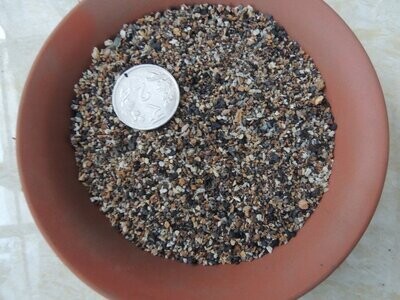
Cactus Seed Planting Mix
Cactus Seed Planting Mix
Sterile, Fine-Grain Media for Cactus & Succulent Seeds
SKU MNS005
₹74.85

FORTIFIED Cactus & Succulent SOIL (FINE)
FORTIFIED Cactus & Succulent SOIL (FINE)
SKU MNS002
5.0
(4)
₹49.85

Cactus & Succulent Planting Mix COARSE (aka Cactus Soil Mix or Succulent Soil Mix)
Cactus & Succulent Planting Mix COARSE (aka Cactus Soil Mix or Succulent Soil Mix)
Washed, Free-Draining Mineral Mix for Cactus & Succulents
SKU MNS003
5.0
(1)
₹44.85

FORTIFIED Cactus & Succulent SOIL (COARSE)
FORTIFIED Cactus & Succulent SOIL (COARSE)
SKU MNS004
5.0
(11)
₹54.85
Display prices in:INR
