
Categories
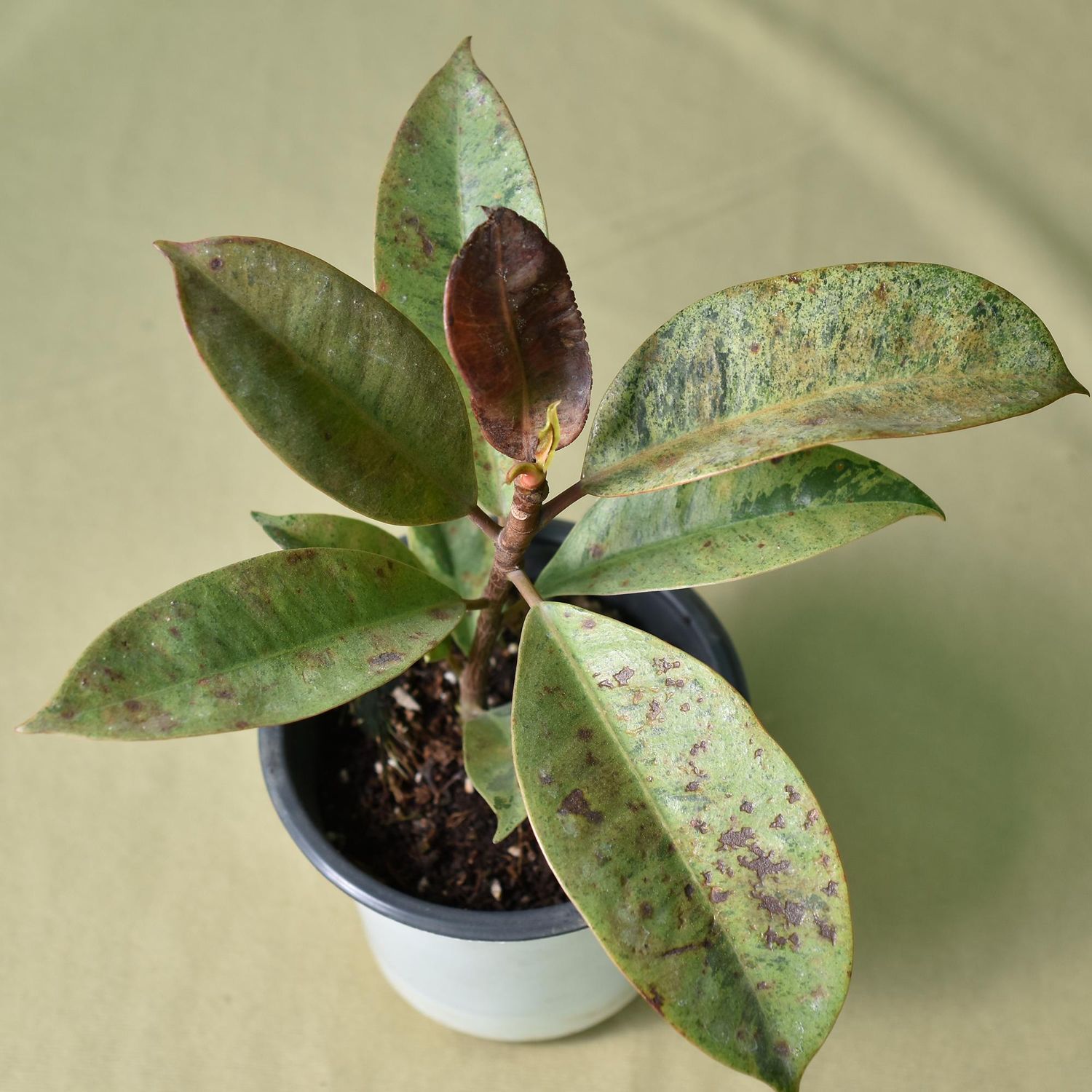
Ficus Elastica , Mottled Rubber Plant
SKU GG024
₹153.00
On Sale
List Price ₹180.00 Save 15%
A unique variegated rubber plant with artistic leaf patterns.
In stock: 9 available
1
Save this product for later
Customer reviews
Reviews only from verified customers
No reviews yet. You can buy this product and be the first to leave a review.
Ficus Elastica , Mottled Rubber Plant
Product Details
The Marble Masterpiece: Ficus elastica 'Mottled'
Elevate your collection with this rare living mosaic, featuring unpredictable cream-and-emerald variegation that ensures no two leaves are ever alike.
- Origin & History of Name: The genus name Ficus is the Classical Latin term for "fig," while the specific epithet elastica refers to the rubber-producing latex found in its sap.
Historically known as the "India Rubber Tree," it was a primary source of low-quality rubber before the rise of Hevea brasiliensis. The "Mottled" designation is a descriptive horticultural name for the unstable, splash-like variegation patterns on its foliage. - Morphology: This evergreen woody plant is prized for its thick, leathery epidermis.
It features distinct variegation where chlorophyll-deficient cells create cream sectors against a deep green background. Each leaf possesses a prominent midrib or costa, and new growth emerges from a protective stipule—a bright red sheath that falls away as the leaf unfurls. - Habitat & Origin: While the parent species is native to South and Southeast Asia (from the Himalayas to Malaysia), the 'Mottled' variety is a cultivar selected through selective breeding for its genetic mutations. In terms of sustainability, these are propagated via air layering or stem cuttings, reducing the need for wild harvesting and preserving local ecosystems.
- Cultivation Profile:
- Substrate: Use a well-draining, aerated mix consisting of 40% coco-peat, 30% perlite or pumice, and 30% compost to prevent root rot during Indian monsoons.
- Light: Requires bright, indirect sunlight; 4–6 hours of filtered light near an East or North-facing window is ideal to maintain variegation without scorching the leaves.
- Water/Dormancy: Water deeply only when the top two inches of soil feel dry. Reduce watering significantly during the cooler winter months (November–February) when the plant enters a semi-dormant state.
- Scientific/Historical Anecdote: In the 19th century, before the discovery of synthetic polymers, the Ficus elastica was the backbone of the early rubber industry in Assam, India. British botanist William Roxburgh first brought its potential to global attention in 1810, sparking a "rubber rush" in the Northeast long before the South American rubber tree became the global standard.
You May Also Like
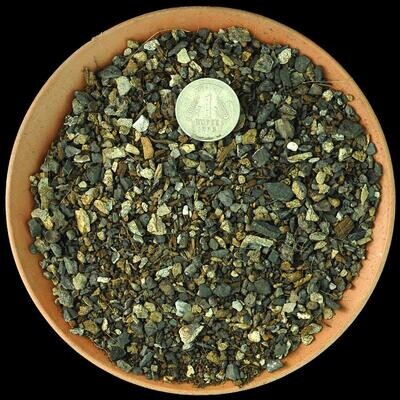
FORTIFIED Cactus & Succulent SOIL (COARSE)
FORTIFIED Cactus & Succulent SOIL (COARSE)
SKU MNS004
5.0
(11)
₹54.85
New

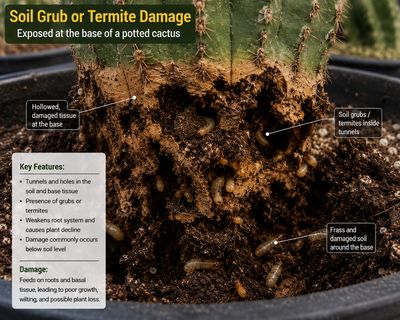
Monsoon Guardian Kit (5 in 1)
Monsoon Guardian Kit (5 in 1)
Complete 5-in-1 biological protection kit for cacti & succulents
SKU MNS024
₹850.00
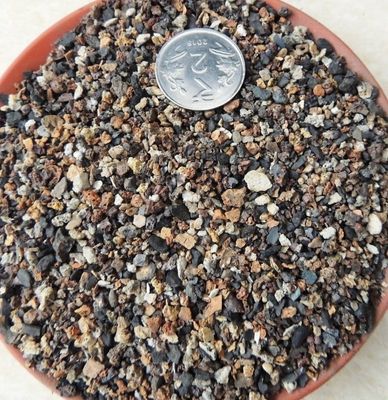
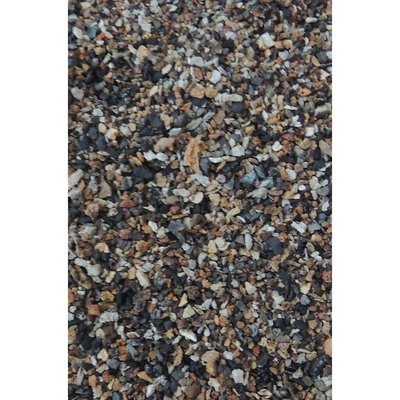
Cactus & Succulent Planting Mix FINE (aka Cactus Soil Mix or Succulent Soil Mix)
Cactus & Succulent Planting Mix FINE (aka Cactus Soil Mix or Succulent Soil Mix)
Fine-Grain Potting Mix for Cactus & Succulent Roots
SKU MNS001
5.0
(3)
₹39.85
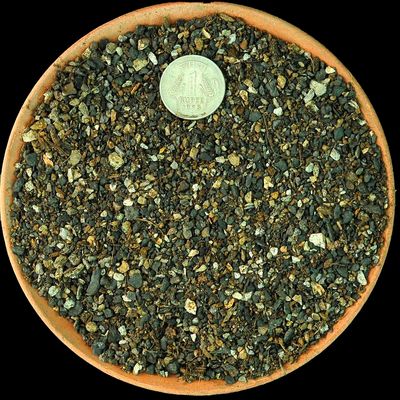
FORTIFIED Cactus & Succulent SOIL (FINE)
FORTIFIED Cactus & Succulent SOIL (FINE)
SKU MNS002
5.0
(4)
₹49.85
Display prices in:INR
