
Categories
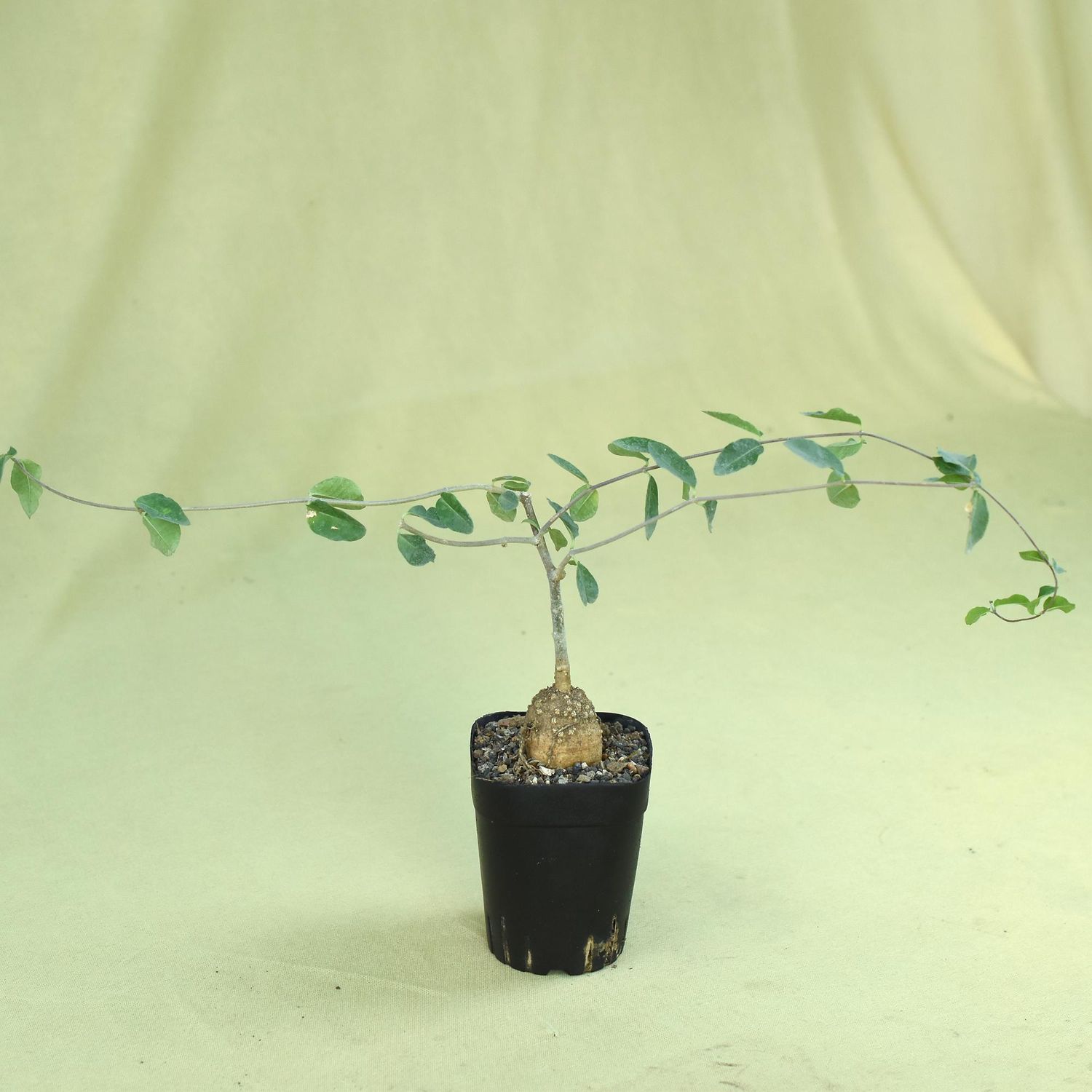
Fockea edulis
SKU PA004Ra
₹1 650.00
Sold out
Sold out
Save this product for later
Customer reviews
Reviews only from verified customers
No reviews yet. You can buy this product and be the first to leave a review.
Fockea edulis
Product Details
Sculpted Antiquity: Fockea edulis
A prehistoric centerpiece for your collection, this slow-growing "Hottentot Bread" boasts a massive, silver-grey caudex that lasts for generations.
- Origin & History of Name: The genus name Fockea was established by German botanist Endlicher in 1839 to honor Gustav Waldemar Focke, a physician and botanist from Bremen known for his work on plant physiology. The specific epithet edulis is Latin for "edible," referring to the traditional use of the tuberous root as a food source by indigenous peoples in Southern Africa, provided the bitter latex is properly processed.
- Morphology: This pachycaul (thick-stemmed) succulent is defined by its massive caudex, a perennial swollen root system that functions as a water-storage organ.
The epidermis of the caudex is typically tuberous and grey, often developing a "warty" texture with age. From the crown, it produces thin, twining vines with simple, elliptical leaves. While the flowers are small and greenish-white, the primary aesthetic appeal is the unique, sculpted shape of the exposed woody base. - Habitat & Origin: Fockea edulis is a wild species native to the arid regions of Southern Africa, ranging from the Eastern Cape to Namibia.
It is not a cultivar but a naturally occurring species. In its native habitat, the caudex is often buried underground to protect it from extreme heat and herbivores; in cultivation, it is "lifted" above the soil line for visual display. - Cultivation Profile (Indian Context):
- Substrate: Use a strictly mineral-based, gritty mix. A combination of 50% crushed brick or pumice, 30% coarse river sand, and 20% organic compost works best to prevent root rot during Indian monsoons.
- Light: Requires bright, indirect sunlight. In the Indian subcontinent, morning sun is beneficial, but the plant should be shielded from the scorching afternoon sun (35°C+) to prevent the vines from desiccating.
- Water/Dormancy: Water thoroughly when the substrate is completely dry during the growing season (March to October). During the winter months or peak monsoon humidity, reduce watering significantly as the plant enters a semi-dormant state.
- Scientific/Historical Anecdote: The Fockea genus holds a place in botanical history for its longevity. A famous specimen of the related Fockea capensis was brought to the Schönbrunn Palace Gardens in Vienna in the late 18th century.
For over a century, it was believed to be the only one of its kind in existence until wild populations were rediscovered in 1906, proving these plants can live for hundreds of years in cultivation.
You May Also Like
New

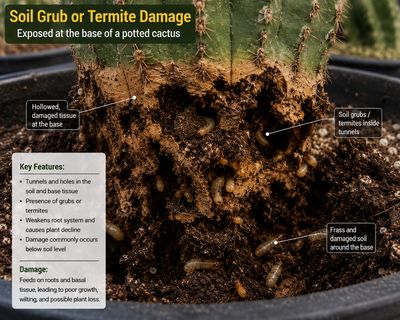
Monsoon Guardian Kit (5 in 1)
Monsoon Guardian Kit (5 in 1)
Complete 5-in-1 biological protection kit for cacti & succulents
SKU MNS024
₹850.00
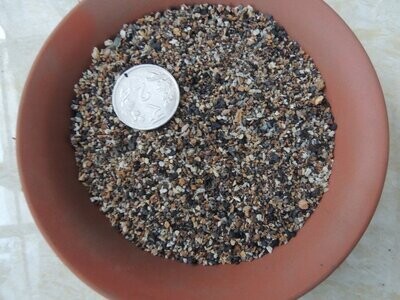
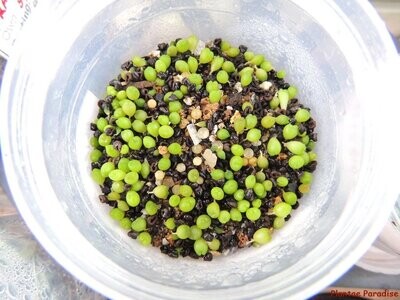
Cactus Seed Planting Mix
Cactus Seed Planting Mix
Sterile, Fine-Grain Media for Cactus & Succulent Seeds
SKU MNS005
₹74.85


Cactus & Succulent Planting Mix FINE (aka Cactus Soil Mix or Succulent Soil Mix)
Cactus & Succulent Planting Mix FINE (aka Cactus Soil Mix or Succulent Soil Mix)
Fine-Grain Potting Mix for Cactus & Succulent Roots
SKU MNS001
5.0
(3)
₹39.85
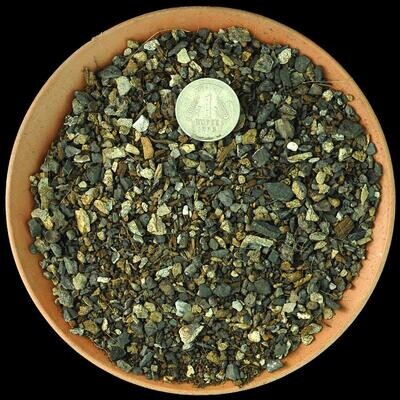
FORTIFIED Cactus & Succulent SOIL (COARSE)
FORTIFIED Cactus & Succulent SOIL (COARSE)
SKU MNS004
5.0
(12)
₹54.85
Display prices in:INR
