
Categories
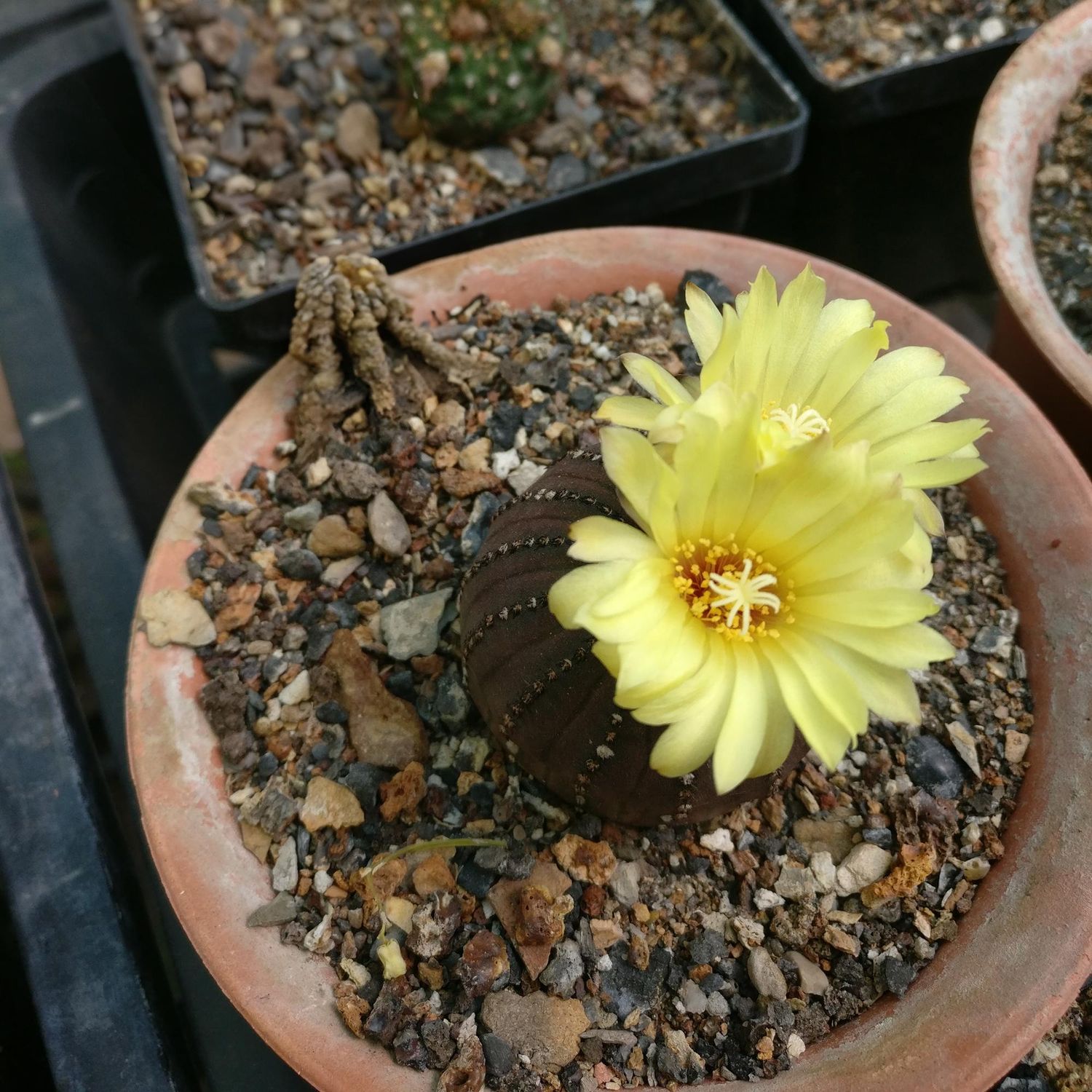
Frailea Asterioides
SKU FR003Ra
₹400.00
Sold out
Sold out
Save this product for later
Customer reviews
Reviews only from verified customers
No reviews yet. You can buy this product and be the first to leave a review.
Frailea Asterioides
Product Details
Frailea asterioides: The Star Cactus
Origin of Name
The genus name "Frailea" honors the Danish botanist Dr. Jens F. Fræile, known for his extensive work in the field of cacti. The species name "asterioides" is derived from the Greek word "asterion," meaning "star," which reflects the star-like appearance of the cactus due to its distinct tubercles and spination patterns. This name aptly describes the plant's unique morphology.
Origin of Plant
Frailea asterioides is native to Argentina, particularly concentrated in the semi-arid regions of the provinces of La Rioja and Catamarca. This species typically grows in rocky, well-drained soils where it thrives in environments characterized by low humidity and high sunlight exposure. The plant is adapted to the extreme conditions of its habitat, demonstrating resilience in the dry and often harsh desert climate.
Description
Frailea asterioides is a small, globular cactus that typically ranges from 5 to 10 centimeters (2 to 4 inches) in height and can cluster together to form small groups. The cactus features a green to grayish-green body that is covered in prominent, star-shaped or star-like tubercles. Each tubercle is equipped with fine, short spines, which can appear white, yellow, or light brown, giving the cactus a textured look. In late spring and early summer, Frailea asterioides produces charming, funnel-shaped flowers that can vary in color from pale yellow to cream, often with darker stripes, blooming from the apex of the cactus and enhancing its ornamental value.
Conservation Status
Frailea asterioides is not currently classified as endangered; however, it faces potential threats from habitat destruction, agricultural expansion, and over-collection. Conservation measures aimed at protecting natural habitats and promoting sustainable collecting practices are important to ensure this species' continued survival in the wild.
Care
Caring for Frailea asterioides involves replicating its natural environment as closely as possible. Use a well-draining cactus mix that includes perlite, sand, or pumice to promote good drainage. Position the cactus in a location that receives bright, indirect sunlight, while providing some protection from harsh direct sunlight that may cause scarring. Water moderately during the growing season (spring and summer), allowing the soil to dry out completely between waterings. In the winter months, reduce watering significantly to emulate its natural dormant phase, as excessive moisture can lead to root rot. Fertilize sparingly with a diluted cactus-specific fertilizer during the growing season to promote healthy growth and flowering. Regularly check for pests like mealybugs and aphids to maintain the health and vitality of your Frailea asterioides, making it a delightful addition to any succulent collection.
You May Also Like
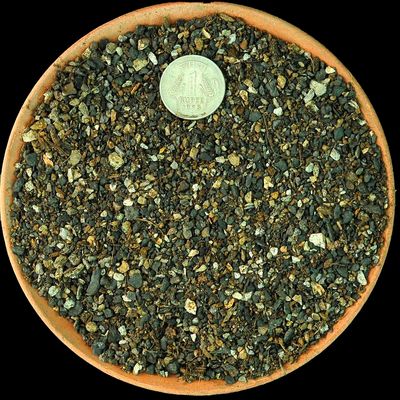
FORTIFIED Cactus & Succulent SOIL (FINE)
FORTIFIED Cactus & Succulent SOIL (FINE)
SKU MNS002
5.0
(4)
₹49.85
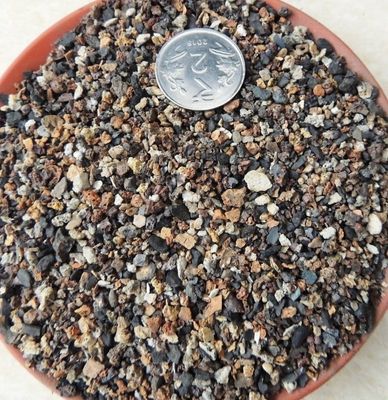
Cactus & Succulent Planting Mix FINE (aka Cactus Soil Mix or Succulent Soil Mix)
Cactus & Succulent Planting Mix FINE (aka Cactus Soil Mix or Succulent Soil Mix)
Fine-Grain Potting Mix for Cactus & Succulent Roots
SKU MNS001
5.0
(3)
₹39.85
New

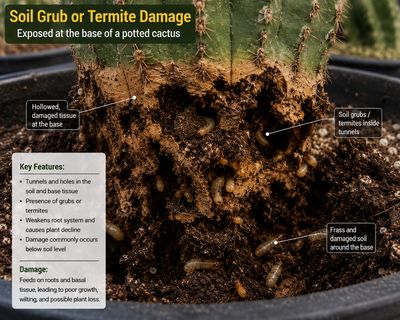
Monsoon Guardian Kit (5 in 1)
Monsoon Guardian Kit (5 in 1)
Complete 5-in-1 biological protection kit for cacti & succulents
SKU MNS024
₹850.00
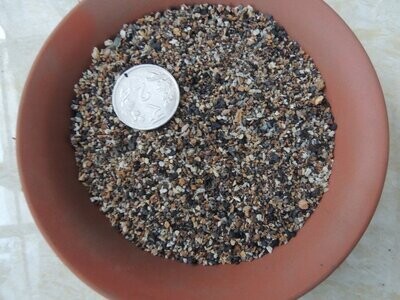
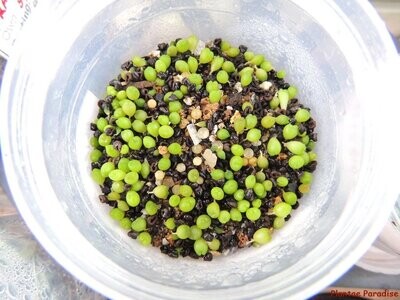
Cactus Seed Planting Mix
Cactus Seed Planting Mix
Sterile, Fine-Grain Media for Cactus & Succulent Seeds
SKU MNS005
₹74.85
Display prices in:INR
