
Categories
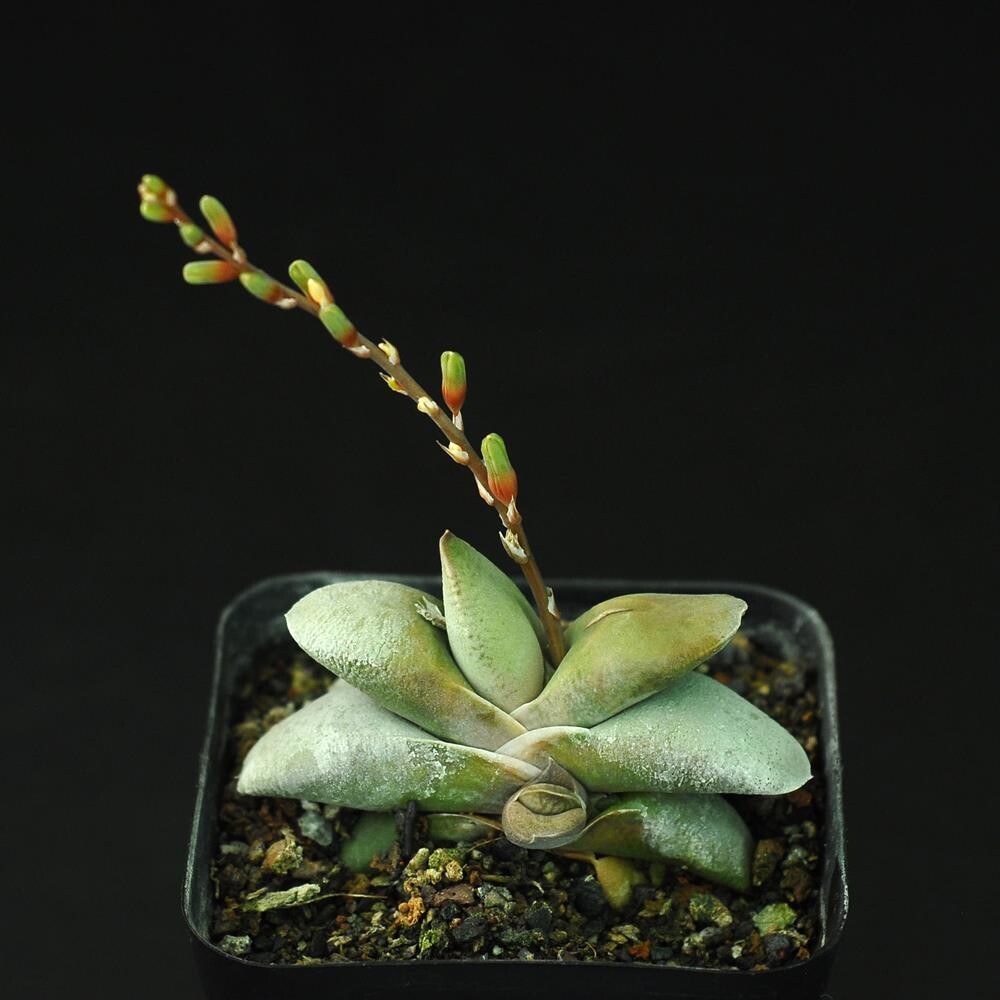
Gasteraloe beddinghousi
SKU GA017
₹400.00
Sold out
Sold out
Save this product for later
Customer reviews
Reviews only from verified customers
No reviews yet. You can buy this product and be the first to leave a review.
Gasteraloe beddinghousi
Product Details
Architectural Elegance: x Gasteraloe 'Bedinghausii'
A rare, heritage intergeneric hybrid prized for its structural symmetry and ancient lineage.
- Origin & History of Name: The name is a portmanteau of the parent genera, Gasteria and Aloe.
The specific epithet bedinghausii honors Hermann Bedinghaus, a 19th-century Belgian horticulturalist and head gardener for the Duke of Arenberg. Bedinghaus was instrumental in the early cultivation of succulent hybrids in Europe, and this plant remains a classic example of Victorian-era botanical curiosity. - Morphology: This hybrid displays a robust rosette of lanceolate, dark-green leaves. The epidermis (outer skin) is notably thick and adorned with raised, white tubercles (wart-like bumps) that provide a rough, sand-papery texture. Unlike many aloes, the leaf margins are typically smooth or finely serrated rather than thorny. It inherits the distichous (stacked in two ranks) growth habit of Gasteria when young, eventually spiraling into a full, architectural rosette as it matures.
- Habitat & Origin: Gasteraloe 'Bedinghausii' is a cultivated hybrid (cultivar) and does not exist in the wild.
It is generally believed to be a cross between Gasteria disticha and Aloe aristata. As a nursery-produced plant, it is a highly sustainable choice for collectors, as it does not involve the poaching of wild species from sensitive African ecosystems. - Cultivation Profile:
- Substrate: Use a gritty, mineral-based mix consisting of 60% inorganic material like crushed leca, coarse sand, or pumice to prevent root rot.
- Light: Thrives in bright, indirect light. In the Indian subcontinent, protect from harsh afternoon summer sun (12 PM – 4 PM) to prevent leaf scorching; morning sun or filtered balcony light is ideal.
- Water/Dormancy: Water deeply only when the substrate is bone-dry. During the monsoon and peak winter, significantly reduce watering as the plant enters a semi-dormant state and is highly susceptible to fungal issues in high humidity.
- Scientific/Historical Anecdote: Intergeneric hybrids like Gasteraloe are relatively rare in the plant kingdom because species from different genera usually cannot interbreed. However, because Gasteria and Aloe share a closely related chromosomal structure within the subfamily Asphodeloideae, they can produce these "mule" plants. This specific hybrid has been in cultivation since the mid-1800s, making it a living piece of botanical history that has survived in collections for over 150 years.
You May Also Like
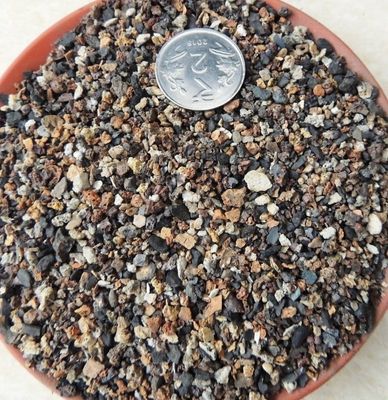
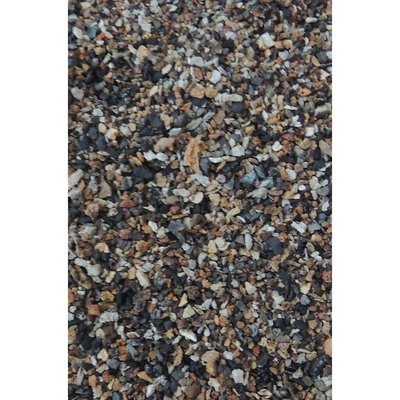
Cactus & Succulent Planting Mix FINE (aka Cactus Soil Mix or Succulent Soil Mix)
Cactus & Succulent Planting Mix FINE (aka Cactus Soil Mix or Succulent Soil Mix)
Fine-Grain Potting Mix for Cactus & Succulent Roots
SKU MNS001
5.0
(3)
₹39.85
New
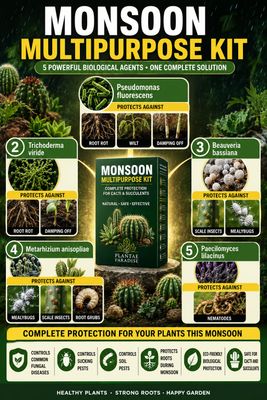
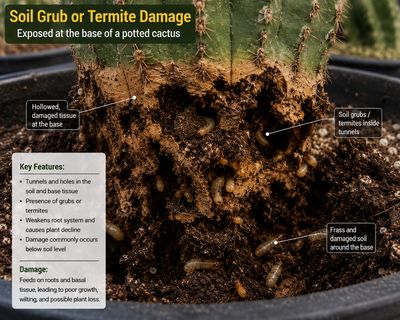
Monsoon Guardian Kit (5 in 1)
Monsoon Guardian Kit (5 in 1)
Complete 5-in-1 biological protection kit for cacti & succulents
SKU MNS024
₹850.00

FORTIFIED Cactus & Succulent SOIL (FINE)
FORTIFIED Cactus & Succulent SOIL (FINE)
SKU MNS002
5.0
(4)
₹49.85


Cactus Seed Planting Mix
Cactus Seed Planting Mix
Sterile, Fine-Grain Media for Cactus & Succulent Seeds
SKU MNS005
₹74.85
Display prices in:INR
