
Categories
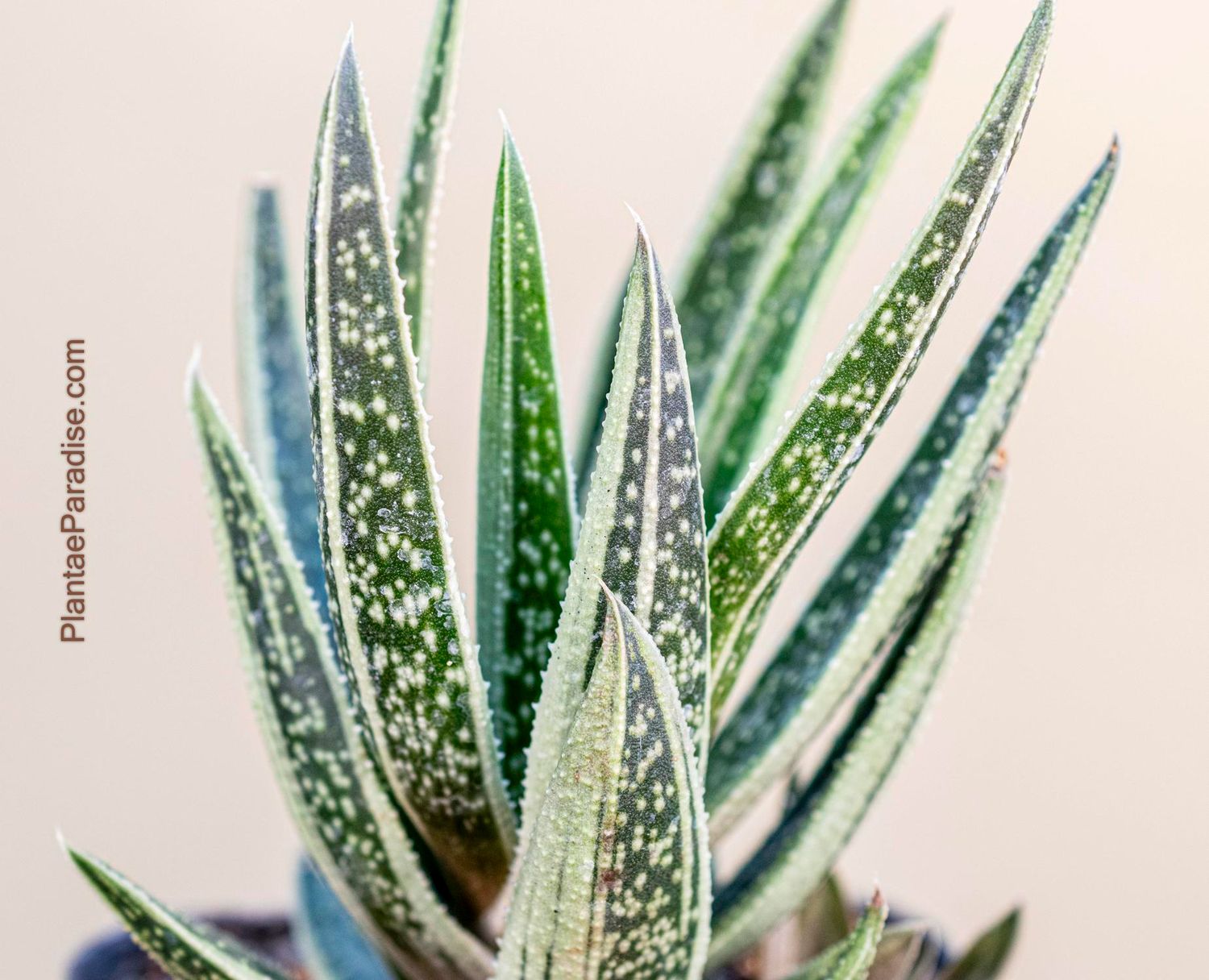
Gasteraloe f variegata
SKU GA045
₹400.00
In stock: 1 available
1
Save this product for later
Customer reviews
Reviews only from verified customers
No reviews yet. You can buy this product and be the first to leave a review.
Gasteraloe f variegata
Product Details
Stunning Geometric Patterns: Gasteraloe f. variegata
A rare, slow-growing hybrid prized for its striking ivory-white contrast and architectural elegance.
1. Origin & History of Name
The name is a portmanteau of its parent genera: Gasteria (derived from the Greek gaster, meaning "stomach," referring to the swollen shape of the flowers) and Aloe (from the Arabic alloeh, meaning "shining bitter substance"). The "f. variegata" designation indicates a "form" exhibiting variegation, a genetic mutation where sections of the leaf lack chlorophyll, resulting in white or cream streaks.
2. Morphology
This intergeneric hybrid features a dense rosette of thick, lanceolate leaves.
3. Habitat & Origin
Gasteraloe f. variegata is a cultivar; it does not exist in the wild. It is the result of controlled horticultural breeding, primarily originated in nursery settings to combine the extreme hardiness of Gasteria with the visual flair of Aloe. Our specimens are propagated via offsets to ensure genetic stability and environmental sustainability, avoiding the depletion of wild parent species in Southern Africa.
4. Cultivation Profile
- Substrate: A gritty, mineral-based mix is essential. Use a composition of 50% inorganic material (pumice, perlite, or crushed brick) and 50% organic matter to prevent root rot.
- Light: Thrives in bright, indirect light. In the Indian subcontinent, protect from harsh afternoon sun (12:00 PM – 4:00 PM), which can scorch the white variegated patches.
- Water/Dormancy: Water deeply only when the medium is completely dry.
During the high-humidity monsoon season, reduce watering significantly. The plant enters a semi-dormant state during peak summer heat; keep it shaded and ventilated during this period.
5. Scientific/Historical Anecdote
Intergeneric hybrids like × Gasteraloe are fascinating to botanists because they prove that Gasteria and Aloe are more closely related than their physical differences suggest. The first recorded crosses date back to the early 19th century in European botanical gardens, where collectors were obsessed with creating "impossible" plants that combined the shade tolerance of one genus with the sun-loving stature of the other.
You May Also Like
New
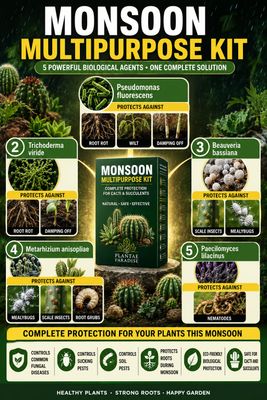
Monsoon Guardian Kit (5 in 1)
Monsoon Guardian Kit (5 in 1)
Complete 5-in-1 biological protection kit for cacti & succulents
SKU MNS024
₹850.00

FORTIFIED Cactus & Succulent SOIL (COARSE)
FORTIFIED Cactus & Succulent SOIL (COARSE)
SKU MNS004
5.0
(11)
₹54.85

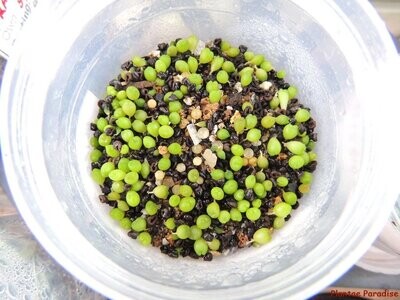
Cactus Seed Planting Mix
Cactus Seed Planting Mix
Sterile, Fine-Grain Media for Cactus & Succulent Seeds
SKU MNS005
₹74.85
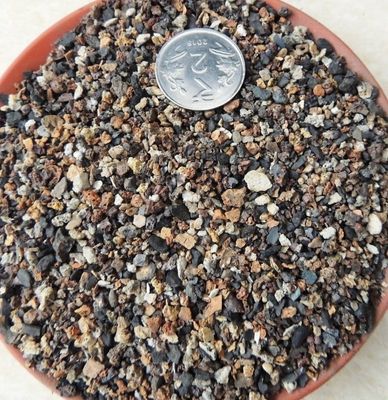
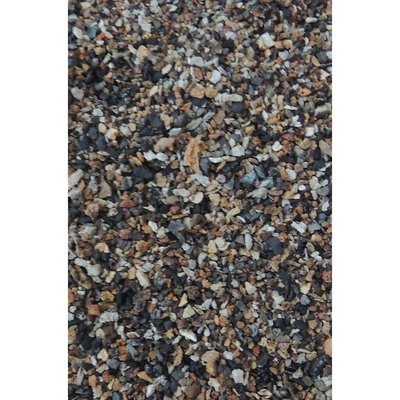
Cactus & Succulent Planting Mix FINE (aka Cactus Soil Mix or Succulent Soil Mix)
Cactus & Succulent Planting Mix FINE (aka Cactus Soil Mix or Succulent Soil Mix)
Fine-Grain Potting Mix for Cactus & Succulent Roots
SKU MNS001
5.0
(3)
₹39.85
Display prices in:INR
