
Categories
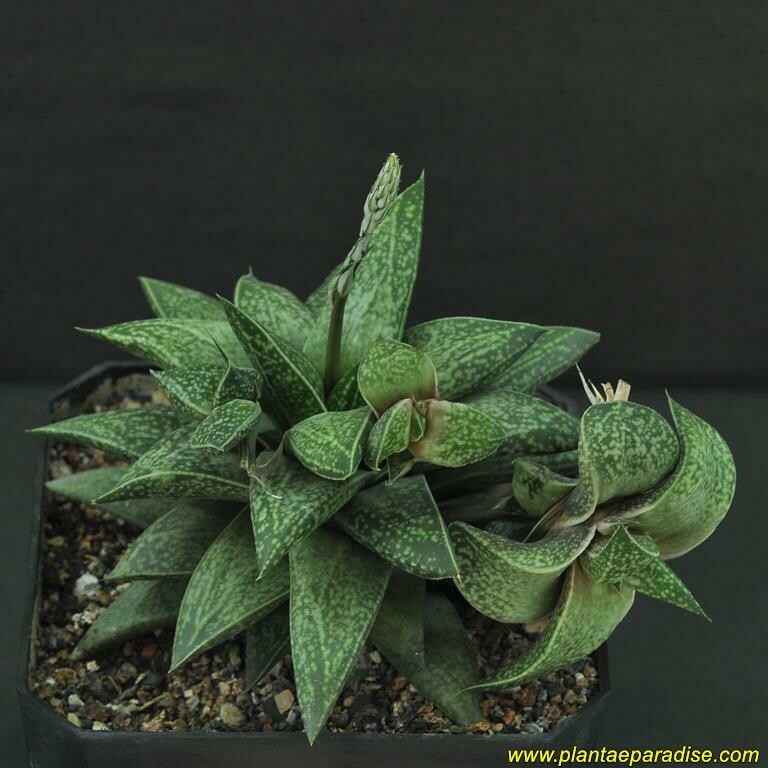
Gasterhaworthia cv. ROSAVA
SKU GA024
₹1 550.00
Sold out
Sold out
Save this product for later
Customer reviews
Reviews only from verified customers
No reviews yet. You can buy this product and be the first to leave a review.
Gasterhaworthia cv. ROSAVA
Product Details
Sculptural Elegance: Gasterhaworthia cv. 'Rosava'
A rare and sophisticated intergeneric hybrid prized for its striking architectural form and pearlescent textures.
- Origin & History of Name: The name Gasterhaworthia is a portmanteau of its parent genera, Gasteria (derived from the Greek 'gaster', meaning stomach, referring to the swollen flower base) and Haworthia (named after British botanist Adrian Hardy Haworth). The cultivar name 'Rosava' is likely a descriptive or proprietary name used by breeders to highlight its distinctive rosette-shaped growth and subtle rosy-silver hues.
- Morphology: This succulent features a dense, symmetrical rosette of thick, triangular leaves. The epidermis (outer skin) is a deep forest green, heavily textured with raised, white tubercles (wart-like bumps) that give it a rough, sandpaper-like feel. Unlike many hybrids, 'Rosava' maintains a compact habit, with leaves that exhibit a slight incurved growth, creating a tight, sculptural aesthetic.
- Habitat & Origin: Gasterhaworthia cv. 'Rosava' is a cultivar, not a wild species.
It is a man-made hybrid resulting from the cross-breeding of Gasteria and Haworthia species. These hybrids are bred specifically for the ornamental trade to combine the extreme hardiness of Gasteria with the intricate patterns of Haworthia. Our specimens are propagated through sustainable offsets to ensure no impact on wild populations of parent species. - Cultivation Profile:
- Substrate: Use a strictly mineral-based mix (60% grit/pumice/perlite and 40% organic matter). In the humid Indian climate, high drainage is essential to prevent root rot.
- Light: Thrives in bright, indirect light. In India, avoid the harsh midday summer sun; a north or east-facing balcony is ideal.
- Water/Dormancy: Water deeply only when the substrate is completely dry. In most parts of India, this plant may enter a semi-dormant state during the peak heat of May-June and the peak cold of January; reduce watering significantly during these periods.
- Scientific/Historical Anecdote: Intergeneric hybrids like Gasterhaworthia are possible because Gasteria, Haworthia, and Aloe all belong to the same subfamily, Asphodeloideae.
This close genetic relationship allows breeders to "bridge" the genera, creating plants that possess the "Gasteria-stomach" shaped flowers but the intricate leaf windows and rosettes typically seen in Haworthia.
You May Also Like
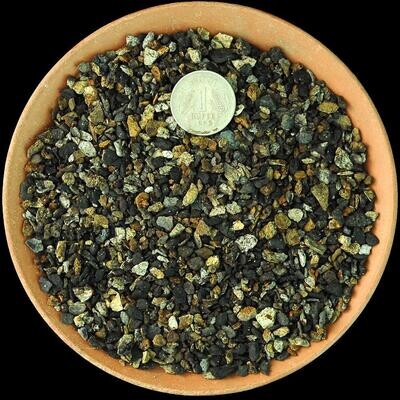
Cactus & Succulent Planting Mix COARSE (aka Cactus Soil Mix or Succulent Soil Mix)
Cactus & Succulent Planting Mix COARSE (aka Cactus Soil Mix or Succulent Soil Mix)
Washed, Free-Draining Mineral Mix for Cactus & Succulents
SKU MNS003
5.0
(1)
₹44.85
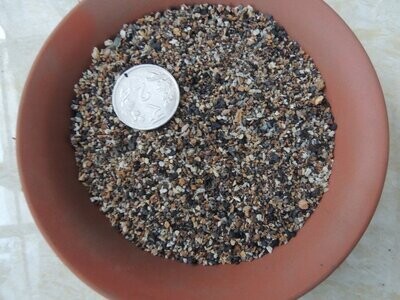
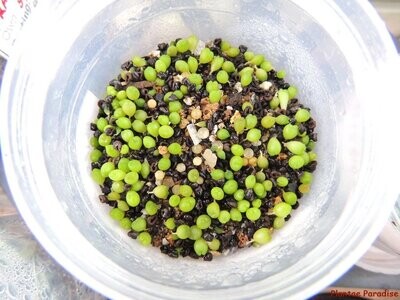
Cactus Seed Planting Mix
Cactus Seed Planting Mix
Sterile, Fine-Grain Media for Cactus & Succulent Seeds
SKU MNS005
₹74.85


Cactus & Succulent Planting Mix FINE (aka Cactus Soil Mix or Succulent Soil Mix)
Cactus & Succulent Planting Mix FINE (aka Cactus Soil Mix or Succulent Soil Mix)
Fine-Grain Potting Mix for Cactus & Succulent Roots
SKU MNS001
5.0
(3)
₹39.85
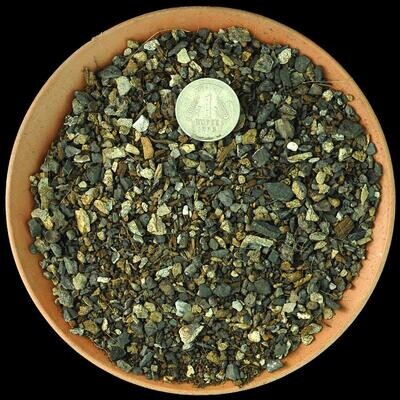
FORTIFIED Cactus & Succulent SOIL (COARSE)
FORTIFIED Cactus & Succulent SOIL (COARSE)
SKU MNS004
5.0
(12)
₹54.85
Display prices in:INR
