
Categories
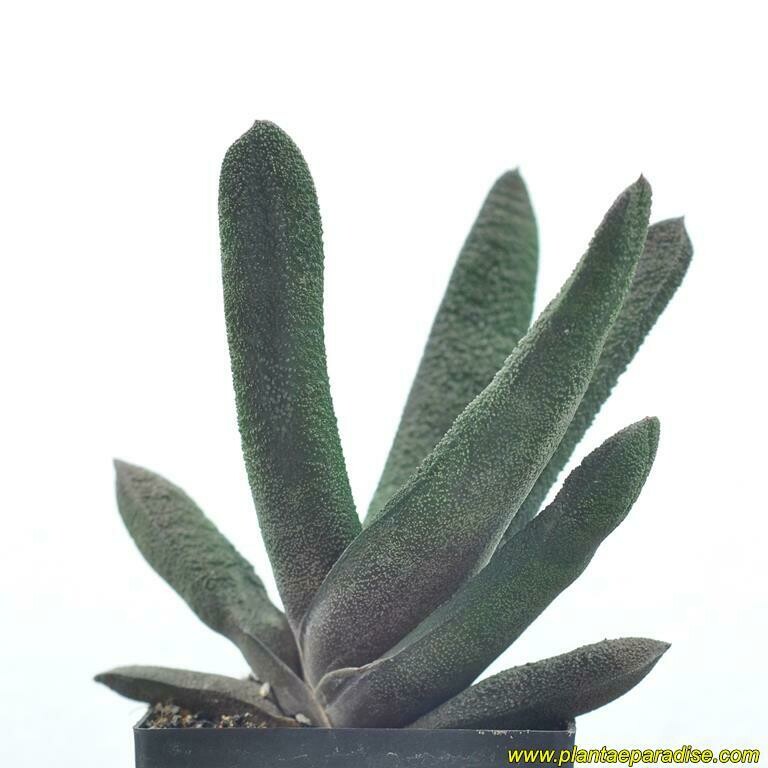
Gasteria Bateshana Barberton
SKU GA041
₹380.00
Sold out
Sold out
Save this product for later
Customer reviews
Reviews only from verified customers
No reviews yet. You can buy this product and be the first to leave a review.
Gasteria Bateshana Barberton
Product Details
Rugged Elegance: Gasteria batesiana 'Barberton'
A collector’s jewel featuring architectural geometry and the most dramatic, pebble-textured foliage in the genus.
- Origin & History of Name: The genus name Gasteria is derived from the Greek gaster, meaning "stomach," referring to the swollen base of the flowers.
This specific variety honors John Bates, a British succulent enthusiast and clerk at the Royal Botanic Gardens, Kew. The "Barberton" designation refers to the town in the Mpumalanga province of South Africa where this distinct, darker form was first identified. - Morphology: This plant is characterized by its exceptionally rough epidermis, covered in dense, raised tubercles (small bumps) that give it a sandpaper-like feel.
Unlike many Gasterias that are distichous (growing in two flat rows), the 'Barberton' form typically grows in a compact rosette. The leaves are lance-shaped, brittle, and a deep black-green, often showing a faint keel (midrib) on the underside. - Habitat & Origin: This is a naturally occurring regional variant (ecotype) found in the wild, specifically near Barberton, South Africa. It is not a man-made cultivar. These plants are sourced through ethical nursery propagation to prevent the poaching of wild populations from their rocky, cliff-side habitats.
- Cultivation Profile:
- Substrate: Use a strictly mineral-based mix. A ratio of 70% inorganic material (pumice, perlite, or crushed brick) to 30% organic matter is ideal for the Indian climate to prevent root rot.
- Light: Thrives in bright, indirect light. In India, provide morning sun but shade the plant during the harsh afternoon hours (12 PM – 4 PM). High heat without airflow can cause stress.
- Water/Dormancy: Water thoroughly only when the substrate is completely dry. During the peak Indian monsoon, keep the plant dry to avoid fungal issues. It undergoes semi-dormancy during extreme summer heat; reduce watering during this period.
- Scientific/Historical Anecdote: Gasteria batesiana is often referred to as the "Knoppies-gasteria" in Afrikaans, which translates to "Button Gasteria," referencing its unique textured bumps. Historically, these plants were used by local Zulu communities as protective charms; it was believed that the plant's camouflage abilities among rocks could be spiritually transferred to warriors to make them "invisible" to enemies.
You May Also Like
New


Monsoon Guardian Kit (5 in 1)
Monsoon Guardian Kit (5 in 1)
Complete 5-in-1 biological protection kit for cacti & succulents
SKU MNS024
₹850.00
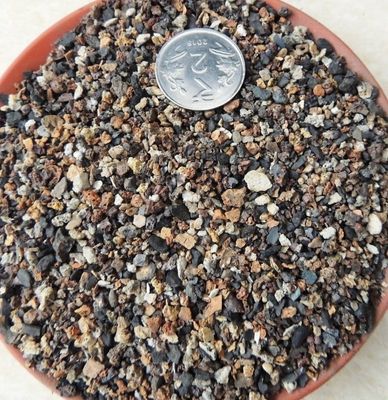
Cactus & Succulent Planting Mix FINE (aka Cactus Soil Mix or Succulent Soil Mix)
Cactus & Succulent Planting Mix FINE (aka Cactus Soil Mix or Succulent Soil Mix)
Fine-Grain Potting Mix for Cactus & Succulent Roots
SKU MNS001
5.0
(3)
₹39.85
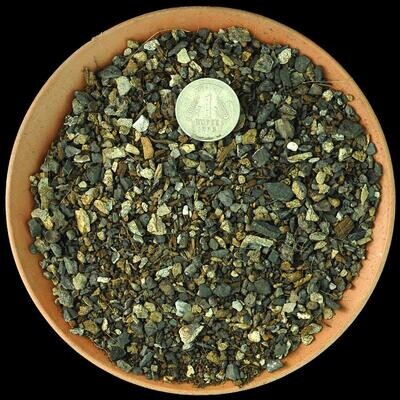
FORTIFIED Cactus & Succulent SOIL (COARSE)
FORTIFIED Cactus & Succulent SOIL (COARSE)
SKU MNS004
5.0
(11)
₹54.85
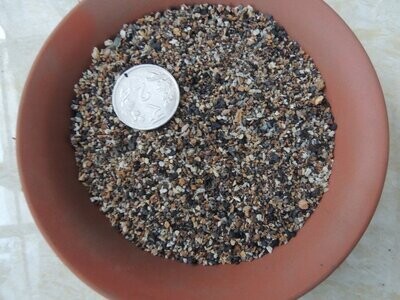
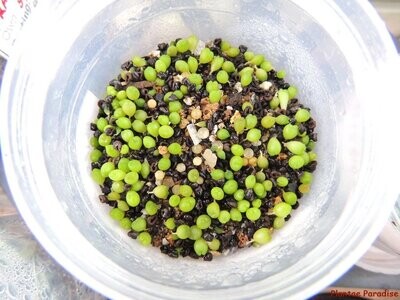
Cactus Seed Planting Mix
Cactus Seed Planting Mix
Sterile, Fine-Grain Media for Cactus & Succulent Seeds
SKU MNS005
₹74.85
Display prices in:INR
