
Categories
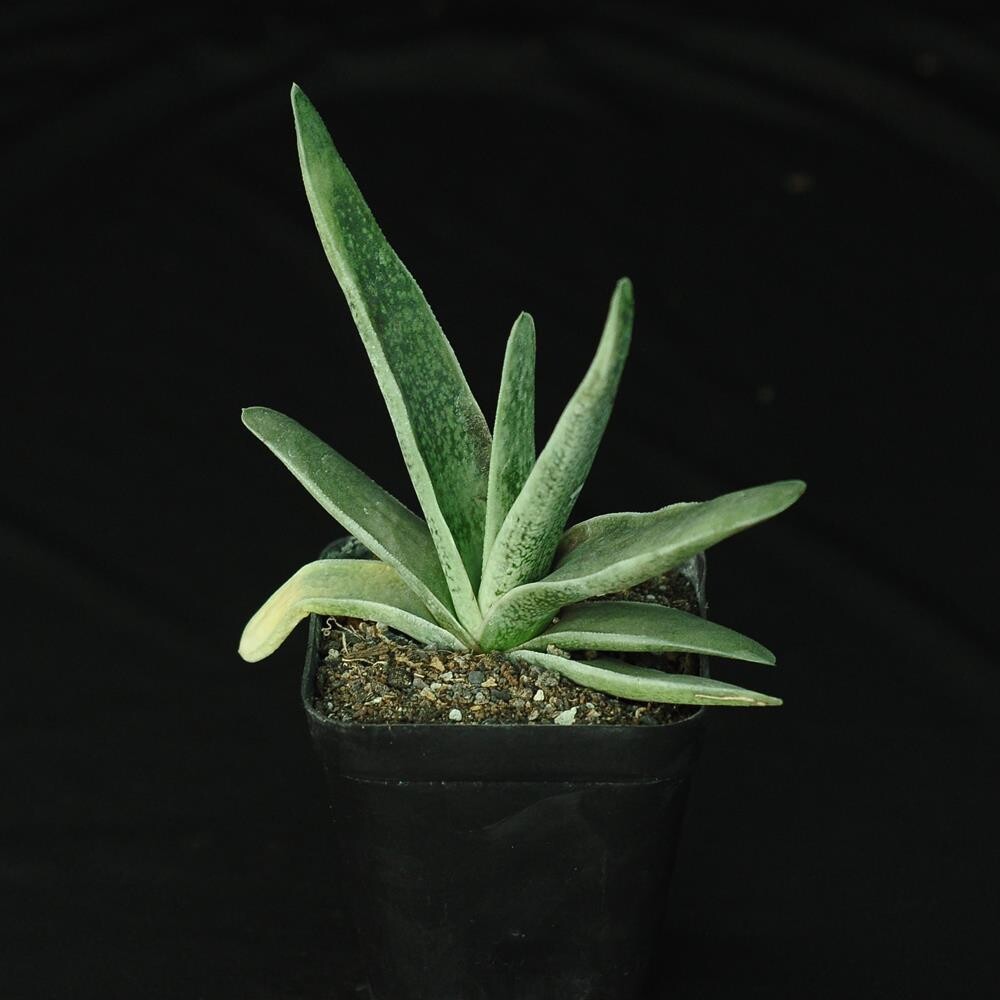
Gasteria Old Man Silver
5.0
1 review
Reviews from verified customers who have purchased products at this store.
SKU GA021
₹100.00
Dense white tubercles with sandpaper texture
In stock: 4 available
1
Save this product for later
Customer reviews
Reviews only from verified customers
Reviews are only accepted from verified customers who have signed in and purchased the products. This ensures that each review is based on genuine customer experiences. All reviews are checked before publication to prevent spam.
Rajesh R.
Bengaluru,
India
Fri, July 10, 2026
Received in excellent condition and in 3 days, pleasantly surprised as this kind of quality and delivery is very rare. One of the best online succulent shop and recommend it wholeheartedly.
Gasteria Old Man Silver
Product Details
Luminous Legacy: Gasteria 'Old Man Silver'
A premium collector’s succulent prized for its dense, silvery-white stippling and architectural form.
- Origin & History of Name: The genus name Gasteria is derived from the Greek word gaster, meaning "stomach," referring to the swollen, pouch-like shape of its flowers.
The cultivar name 'Old Man Silver' is a descriptive moniker highlighting the plant’s heavily textured, pale grey-to-white appearance, which resembles the weathered, silvery hair of an elder. - Morphology: This plant features thick, tongue-shaped leaves (linguate) that grow in a compact, overlapping rosette.
Its epidermis is densely covered in raised white tubercles that merge to create a shimmering, silvery-white surface. Unlike smoother species, 'Old Man Silver' has a rough, sandpaper-like texture that provides a distinct tactile and visual contrast. - Habitat & Origin: Gasteria 'Old Man Silver' is a cultivated variety (cultivar) and does not occur in the wild. It was selectively bred from South African parentage to emphasize the white tuberculation. As a nursery-grown cultivar, it is a highly sustainable choice for collectors, ensuring no wild populations are disturbed for trade.
- Cultivation Profile:
- Substrate: Use a gritty, mineral-based mix (70% inorganic material like pumice, perlite, or crushed brick) to ensure rapid drainage during monsoon months.
- Light: Thrives in bright, indirect light. In the Indian subcontinent, protect from harsh afternoon summer sun to prevent leaf scorch; East-facing balconies are ideal.
- Water/Dormancy: Water thoroughly only when the medium is bone-dry. During the peak summer and winter dormancy periods, significantly reduce watering frequency to prevent root rot.
- Scientific/Historical Anecdote: Gasterias were once classified under the genus Aloe until the early 19th century.
Botanists realized they were distinct not just by their stomach-shaped flowers, but by their unique ability to grow in very low-light conditions compared to other succulents—an evolutionary trait developed from growing in the deep shade of rocky crevices in their native South African scrublands.
You May Also Like
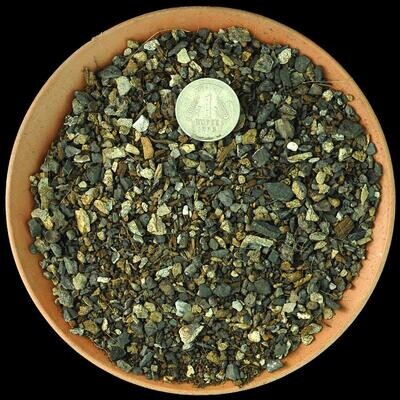
FORTIFIED Cactus & Succulent SOIL (COARSE)
FORTIFIED Cactus & Succulent SOIL (COARSE)
SKU MNS004
5.0
(11)
₹54.85
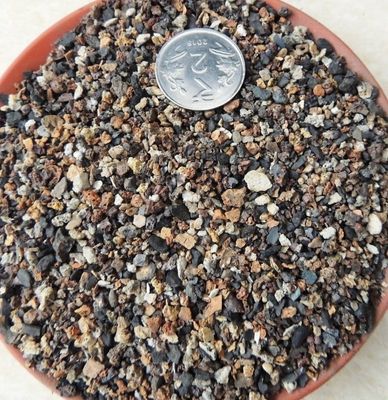
Cactus & Succulent Planting Mix FINE (aka Cactus Soil Mix or Succulent Soil Mix)
Cactus & Succulent Planting Mix FINE (aka Cactus Soil Mix or Succulent Soil Mix)
Fine-Grain Potting Mix for Cactus & Succulent Roots
SKU MNS001
5.0
(3)
₹39.85
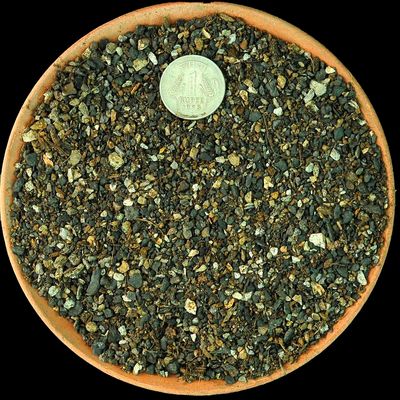
FORTIFIED Cactus & Succulent SOIL (FINE)
FORTIFIED Cactus & Succulent SOIL (FINE)
SKU MNS002
5.0
(4)
₹49.85
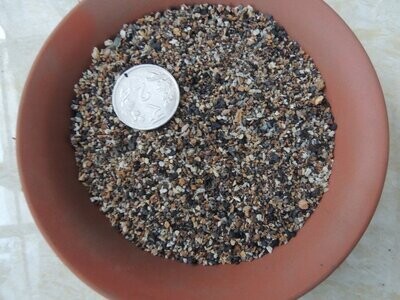
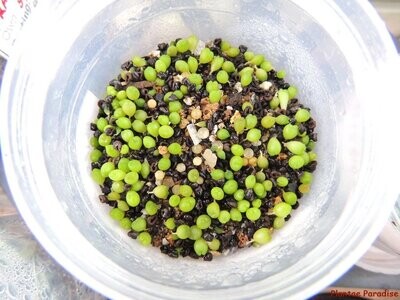
Cactus Seed Planting Mix
Cactus Seed Planting Mix
Sterile, Fine-Grain Media for Cactus & Succulent Seeds
SKU MNS005
₹74.85
Display prices in:INR
