
Categories
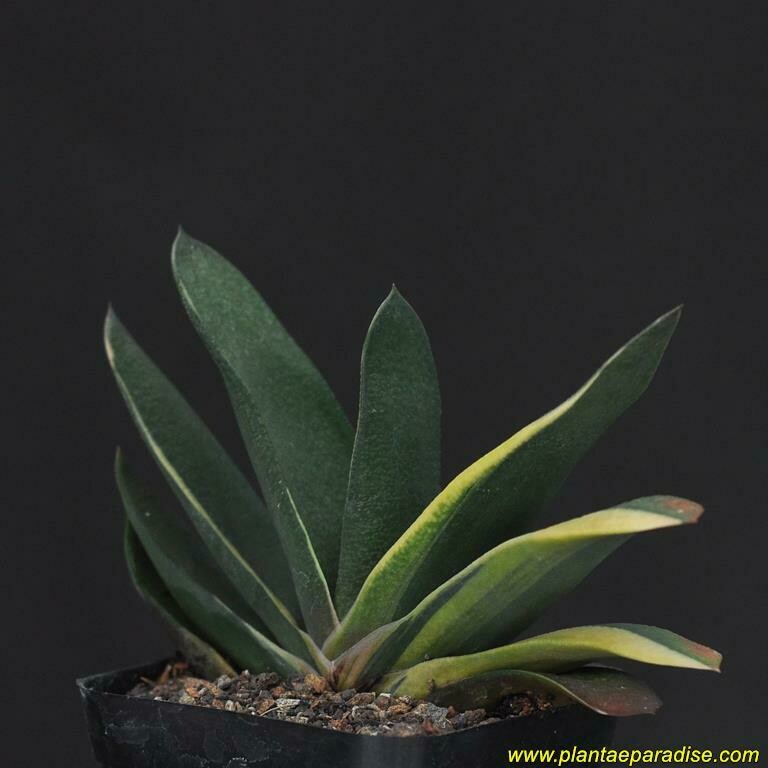
Gasteria acinacifolia (Variegated Margins)
SKU GA035
₹380.00
Sold out
Sold out
Save this product for later
Customer reviews
Reviews only from verified customers
No reviews yet. You can buy this product and be the first to leave a review.
Gasteria acinacifolia (Variegated Margins)
Product Details
Architectural Elegance: Gasteria acinacifolia (Variegated Margins)
A sculptural masterpiece for collectors, featuring rare cream-white bordering and the robust presence of the Giant Gasteria.
- Origin & History of Name: The genus name Gasteria is derived from the Greek "gaster," meaning stomach, referring to the swollen, belly-like shape of the flower base.
The specific epithet acinacifolia combines the Latin "acinaces" (a short Persian scimitar) and "folia" (leaves), describing the curved, sword-shaped foliage. This species was formally described in the early 19th century as European botanists began classifying the diverse flora of the Cape region. - Morphology: This plant is characterized by its large, distichous (two-ranked) leaves that eventually form a massive rosette.
The epidermis is dark green and tough, punctuated by a smooth texture rather than the tubercles common in other species. This specific variety features marginal variegation, where the chlorophyll-free cells create a distinct, stable pale-yellow or white band along the leaf edges. - Habitat & Origin: The base species Gasteria acinacifolia is a wild succulent native to the coastal dunes of the Eastern Cape, South Africa.
This variegated version is a selected cultivar, propagated through careful offset division to maintain the genetic mutation of the margins. It is a sustainable choice for indoor gardening as it is slow-growing and requires minimal resources. - Cultivation Profile:
- Substrate: A strictly mineral-based mix; use a blend of pumice, perlite, and coarse sand with only 20% organic compost to prevent root rot in humid Indian climates.
- Light: Bright, indirect light. In India, avoid direct afternoon summer sun which can scorch the variegated tissue; a north or east-facing balcony is ideal.
- Water/Dormancy: Drench thoroughly only when the substrate is completely dry. Reduce watering significantly during the peak monsoon and winter dormancy to avoid fungal issues.
- Scientific/Historical Anecdote: In its native South African habitat, Gasteria acinacifolia is often called the "Coastal Gasteria" because it has adapted to survive the salt spray of the Indian Ocean. Historically, these plants were used by local tribes as protective charms; they were often planted on the roofs of dwellings, believed to deflect lightning strikes due to their robust, water-filled leaves.
You May Also Like
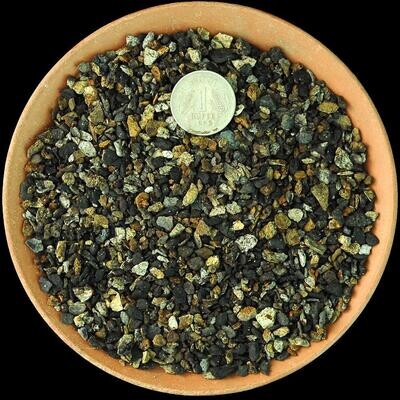
Cactus & Succulent Planting Mix COARSE (aka Cactus Soil Mix or Succulent Soil Mix)
Cactus & Succulent Planting Mix COARSE (aka Cactus Soil Mix or Succulent Soil Mix)
Washed, Free-Draining Mineral Mix for Cactus & Succulents
SKU MNS003
5.0
(1)
₹44.85

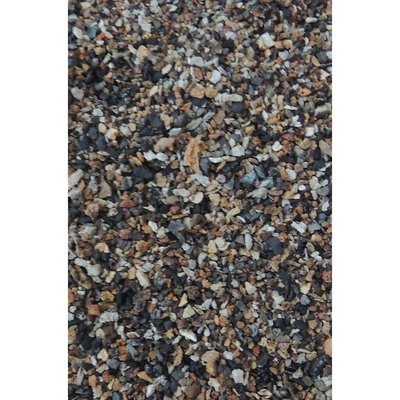
Cactus & Succulent Planting Mix FINE (aka Cactus Soil Mix or Succulent Soil Mix)
Cactus & Succulent Planting Mix FINE (aka Cactus Soil Mix or Succulent Soil Mix)
Fine-Grain Potting Mix for Cactus & Succulent Roots
SKU MNS001
5.0
(3)
₹39.85
New


Monsoon Guardian Kit (5 in 1)
Monsoon Guardian Kit (5 in 1)
Complete 5-in-1 biological protection kit for cacti & succulents
SKU MNS024
₹850.00


Cactus Seed Planting Mix
Cactus Seed Planting Mix
Sterile, Fine-Grain Media for Cactus & Succulent Seeds
SKU MNS005
₹74.85
Display prices in:INR
