
Categories
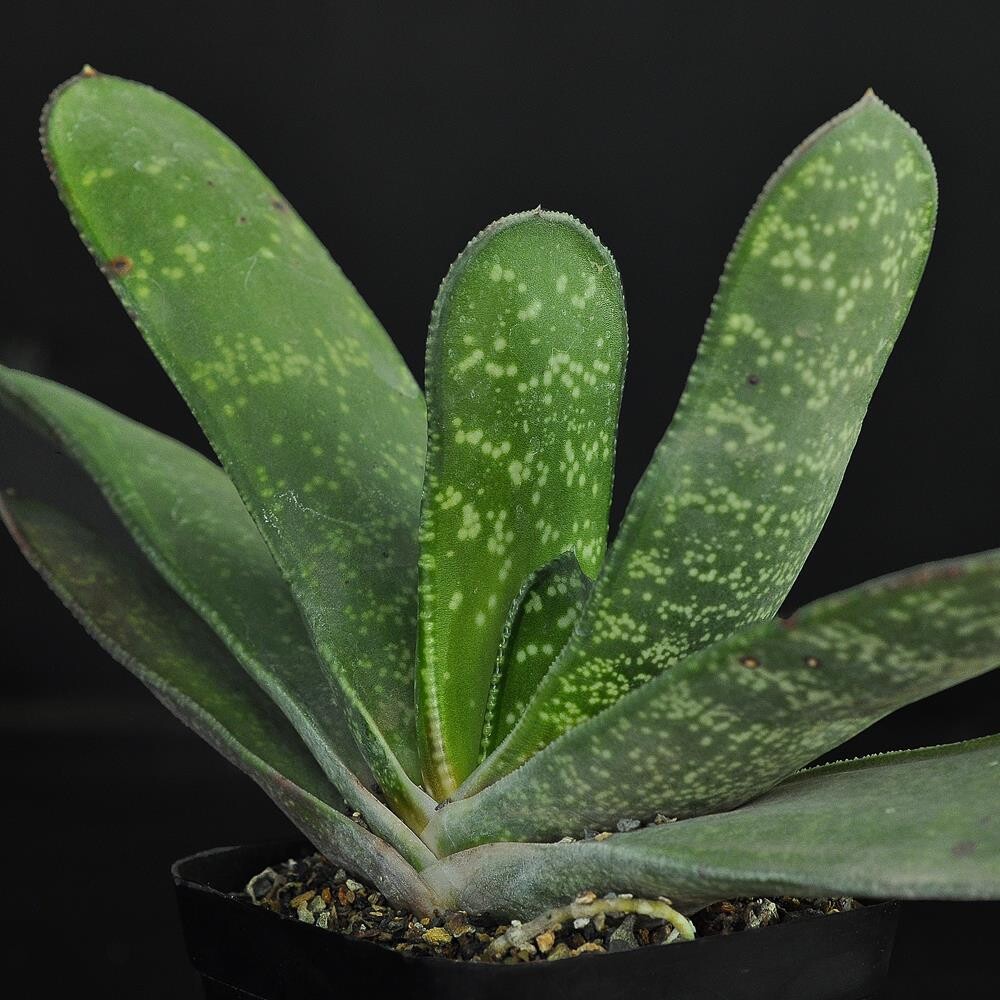
Gasteria acinacifolia cv Giant
SKU GA031
₹400.00
Sold out
Sold out
Save this product for later
Customer reviews
Reviews only from verified customers
No reviews yet. You can buy this product and be the first to leave a review.
Gasteria acinacifolia cv Giant
Product Details
Statuesque Succulent: Gasteria acinacifolia cv. 'Giant'
An architectural marvel for collectors, this oversized cultivar is the crown jewel of the Gasteria genus.
- Origin & History of Name: The genus name Gasteria is derived from the Greek gaster, meaning "stomach," referring to the swollen, pouch-like base of the flowers.
The specific epithet acinacifolia combines the Latin acinaces (a short Persian scimitar) and folia (leaves), describing the blade-like leaf shape. The cultivar name 'Giant' distinguishes this specific selection for its significantly larger dimensions compared to the standard species. - Morphology: This succulent features a robust rosette of thick, tongue-shaped leaves.
Its epidermis is dark green, dappled with raised white tubercles (wart-like spots) that create a rough, attractive texture. Unlike smaller species, the 'Giant' cultivar maintains a heavy, structural form with leaves that can reach over 30cm in length. The leaf margins are often slightly keeled, ending in a sharp tip. - Habitat & Origin: While the parent species Gasteria acinacifolia is native to the coastal dunes of the Eastern Cape, South Africa, the 'Giant' is a cultivar selected for its vigor and scale. This plant is nursery-grown and propagated via offsets or leaf cuttings, ensuring that wild populations remain undisturbed and making it a sustainable choice for enthusiasts.
- Cultivation Profile:
- Substrate: Use a gritty, mineral-based mix (coarse sand, perlite, and crushed leca) with minimal organic matter to prevent root rot in humid Indian climates.
- Light: Thrives in bright, indirect light or dappled shade. In the Indian subcontinent, avoid harsh afternoon sun which can scorch the epidermis; a north or east-facing balcony is ideal.
- Water/Dormancy: Water deeply only when the medium is completely dry. Reduce watering significantly during the peak monsoon (due to high humidity) and during the cool winter dormancy period.
- Scientific/Historical Anecdote: Gasteria acinacifolia is known in its native habitat as the "Dune Gasteria."
In the early 19th century, it was one of the first South African succulents to be described by European botanists, including Adrian Hardy Haworth. It is unique among the genus for its adaptation to coastal salt spray, a trait that contributes to its legendary hardiness in modern indoor environments.
You May Also Like
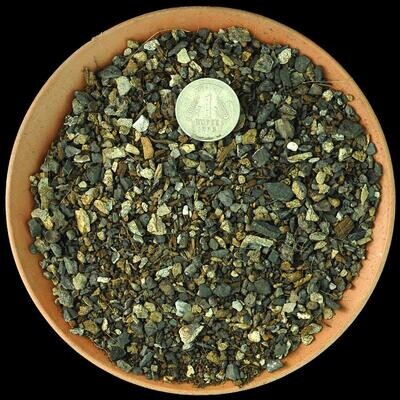
FORTIFIED Cactus & Succulent SOIL (COARSE)
FORTIFIED Cactus & Succulent SOIL (COARSE)
SKU MNS004
5.0
(11)
₹54.85
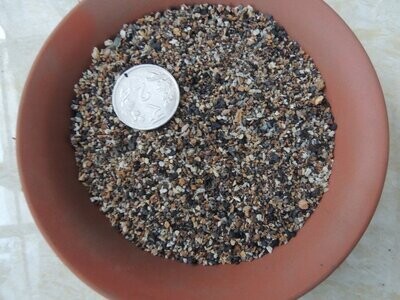
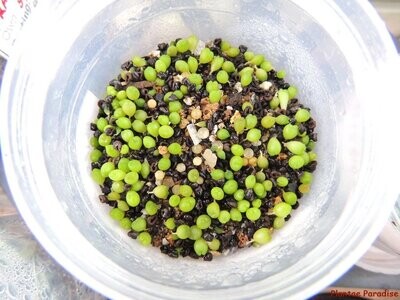
Cactus Seed Planting Mix
Cactus Seed Planting Mix
Sterile, Fine-Grain Media for Cactus & Succulent Seeds
SKU MNS005
₹74.85
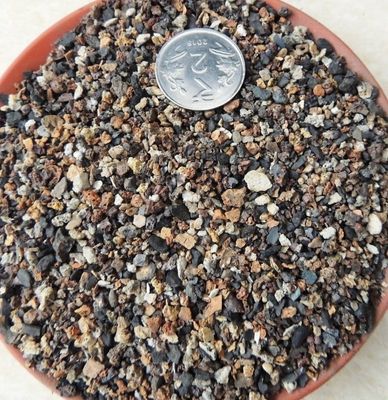
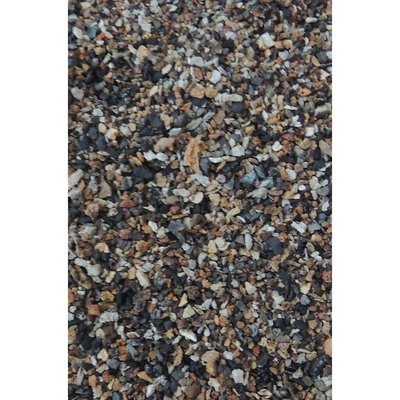
Cactus & Succulent Planting Mix FINE (aka Cactus Soil Mix or Succulent Soil Mix)
Cactus & Succulent Planting Mix FINE (aka Cactus Soil Mix or Succulent Soil Mix)
Fine-Grain Potting Mix for Cactus & Succulent Roots
SKU MNS001
5.0
(3)
₹39.85
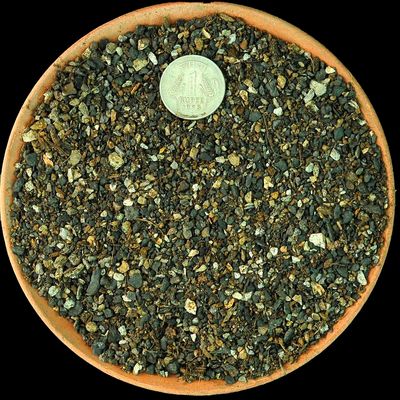
FORTIFIED Cactus & Succulent SOIL (FINE)
FORTIFIED Cactus & Succulent SOIL (FINE)
SKU MNS002
5.0
(4)
₹49.85
Display prices in:INR
