
Categories
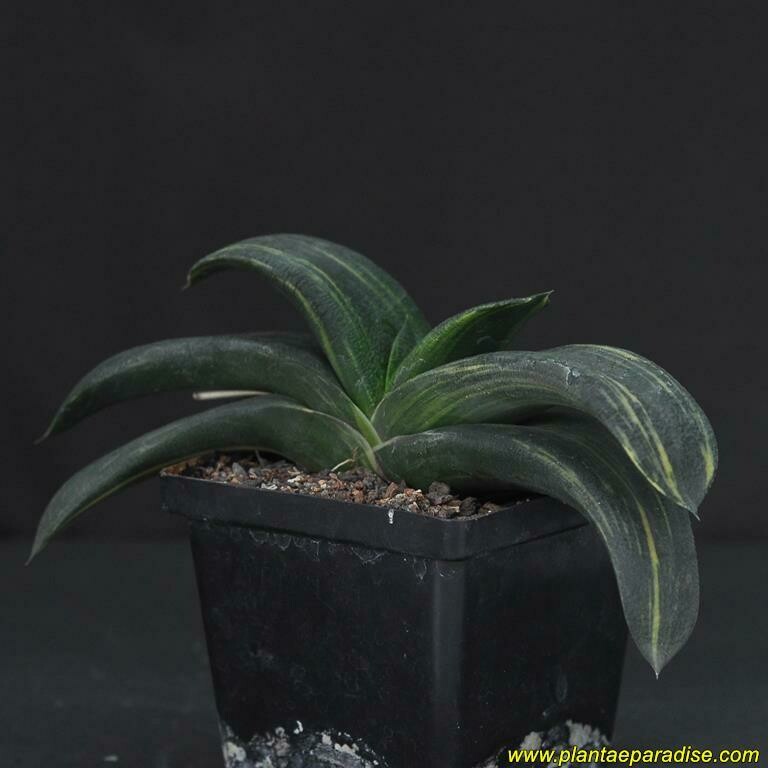
Gasteria armstrongii
SKU GA036
₹380.00
Sold out
Sold out
Save this product for later
Customer reviews
Reviews only from verified customers
No reviews yet. You can buy this product and be the first to leave a review.
Gasteria armstrongii
Product Details
Architectural Succulent: Gasteria armstrongii
A rare, slow-growing masterpiece prized for its sculptural, obsidian-like leaves and rugged texture.
- Origin & History of Name: The genus name Gasteria is derived from the Latin gaster (stomach), referring to the swollen, belly-shaped base of its flowers. This specific species was named in 1912 by botanist Edward Schönland to honor William Armstrong, a local plant collector from Port Elizabeth who first brought the specimen to scientific attention.
- Morphology: Gasteria armstrongii is a dwarf, distichous succulent, meaning its leaves grow in two opposing vertical rows.
The thick, tongue-shaped leaves feature a dark green to nearly black epidermis that is heavily tuberculate (covered in small, sandpaper-like bumps). Unlike many succulents that grow upward, this species remains low to the ground, developing a deep taproot that helps it survive extreme conditions. - Habitat & Origin: This is a wild species native to a very restricted range in the Eastern Cape Province of South Africa, specifically near the Gamtoos River.
Due to its limited natural habitat and slow growth rate, it is considered endangered in the wild. All commercially available specimens should be sourced from ethical nurseries that propagate via seed or offsets to ensure environmental sustainability. - Cultivation Profile (Indian Context):
- Substrate: Use a strictly mineral-based mix (70% grit/pumice/crushed brick and 30% organic matter). Avoid standard garden soil which retains too much moisture during the Indian monsoon.
- Light: Thrives in bright, indirect light.
In the Indian subcontinent, protect it from the harsh 12:00 PM to 4:00 PM sun to prevent leaf scorching; a north or east-facing balcony is ideal. - Water/Dormancy: Water deeply only when the substrate is completely bone-dry.
During the monsoon and peak winter, reduce watering significantly as the plant enters a semi-dormant state and is highly susceptible to root rot.
- Scientific/Historical Anecdote: For decades, Gasteria armstrongii was classified as its own distinct species. However, modern DNA sequencing and botanical reviews often categorize it as a specialized, "neotenous" variety of Gasteria nitida. This means that even as an adult, it retains the compact, flattened leaf shape that other Gasteria species typically only exhibit during their juvenile stage.
You May Also Like

FORTIFIED Cactus & Succulent SOIL (FINE)
FORTIFIED Cactus & Succulent SOIL (FINE)
SKU MNS002
5.0
(4)
₹49.85

Cactus & Succulent Planting Mix COARSE (aka Cactus Soil Mix or Succulent Soil Mix)
Cactus & Succulent Planting Mix COARSE (aka Cactus Soil Mix or Succulent Soil Mix)
Washed, Free-Draining Mineral Mix for Cactus & Succulents
SKU MNS003
5.0
(1)
₹44.85
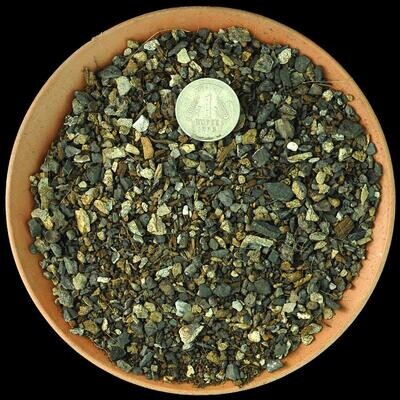
FORTIFIED Cactus & Succulent SOIL (COARSE)
FORTIFIED Cactus & Succulent SOIL (COARSE)
SKU MNS004
5.0
(12)
₹54.85


Cactus Seed Planting Mix
Cactus Seed Planting Mix
Sterile, Fine-Grain Media for Cactus & Succulent Seeds
SKU MNS005
₹74.85
Display prices in:INR
