
Categories
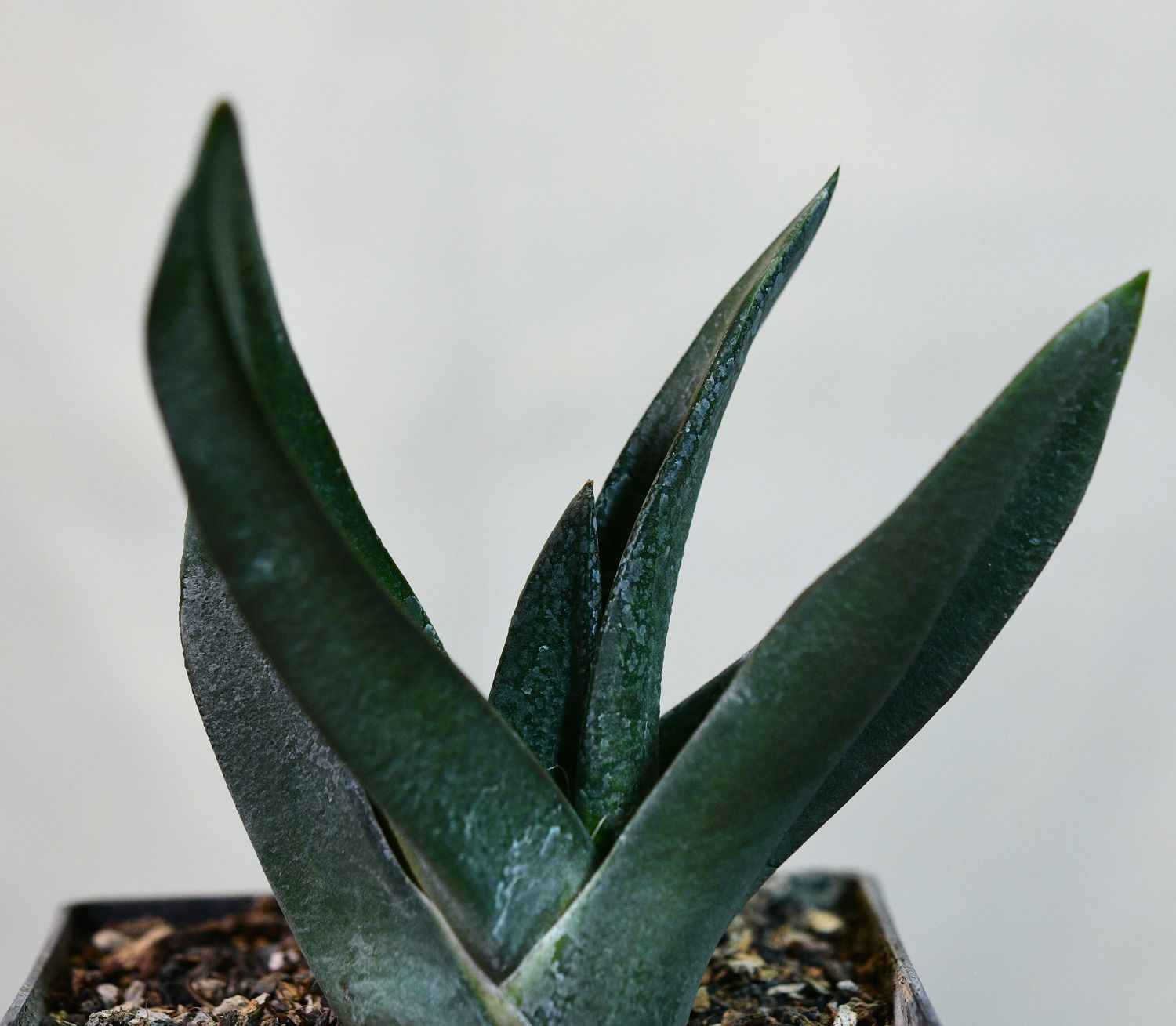
Gasteria armstrrongii pointed X
SKU GA032
₹780.00
In stock: 1 available
1
Save this product for later
Customer reviews
Reviews only from verified customers
No reviews yet. You can buy this product and be the first to leave a review.
Gasteria armstrrongii pointed X
Product Details
Architectural Gem: Gasteria armstrongii 'Pointed' Hybrid
A structural masterpiece for the collector, featuring the rare, sharp-tipped evolution of a South African classic.
- Origin & History of Name: The genus name Gasteria is derived from the Greek gaster, meaning "stomach," referring to the swollen, pouch-like shape of the flowers.
The species epithet honors William Armstrong, a plant collector who discovered the original species in the early 20th century. The "Pointed" designation refers to this specific selection or hybrid cross that deviates from the typical rounded, tongue-shaped leaf apex of the standard armstrongii. - Morphology: This cultivar is characterized by its distichous (two-ranked) growth habit when young, eventually forming a compact rosette. The epidermis is a deep, matte basalt-green, heavily textured with fine tubercles that give it a sandpaper feel. Unlike the blunt-ended type, the leaves terminate in a distinct, acute point. Its thick, succulent leaves act as water-storage organs, allowing it to withstand prolonged dry periods.
- Habitat & Origin: This is a specialized cultivar derived from Gasteria armstrongii, which is naturally endemic to a very small range in the Eastern Cape Province of South Africa. As a nursery-produced selection, this plant reduces the pressure on wild populations, which are currently listed as Endangered due to habitat loss and over-collecting.
-
- Cultivation Profile:
- Substrate: A strictly mineral-based mix is essential. Use a ratio of 70% inorganic material (pumice, perlite, or crushed leca) to 30% organic matter to prevent root rot.
- Light: Thrives in bright, indirect light. In the Indian subcontinent, protect from harsh afternoon summer sun (April–June) to prevent leaf scorching; a north or east-facing balcony is ideal.
- Water/Dormancy: Water deeply only when the substrate is bone-dry.
During the peak Indian monsoon, significantly reduce watering frequency as high humidity slows evaporation. The plant enters a semi-dormant state during the hottest summer weeks and the peak of winter.
- Cultivation Profile:
- Scientific/Historical Anecdote: Gasteria species are closely related to Aloe and Haworthia and can readily hybridize with them, creating "intergeneric" hybrids such as X Gasteraloe and X Gasterhaworthia. In their native South African habitat, they have evolved to grow in the shade of "nurse plants" or tucked into rock crevices to hide from the intense sun—a trait that makes them one of the few succulents that thrive in lower-light indoor environments
You May Also Like
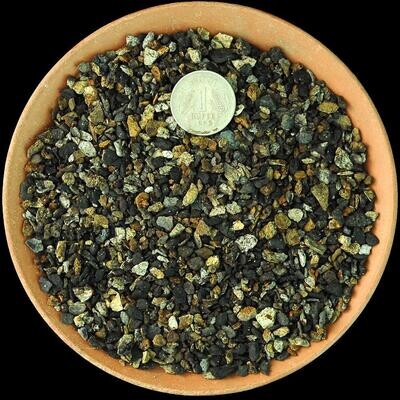
Cactus & Succulent Planting Mix COARSE (aka Cactus Soil Mix or Succulent Soil Mix)
Cactus & Succulent Planting Mix COARSE (aka Cactus Soil Mix or Succulent Soil Mix)
Washed, Free-Draining Mineral Mix for Cactus & Succulents
SKU MNS003
5.0
(1)
₹44.85
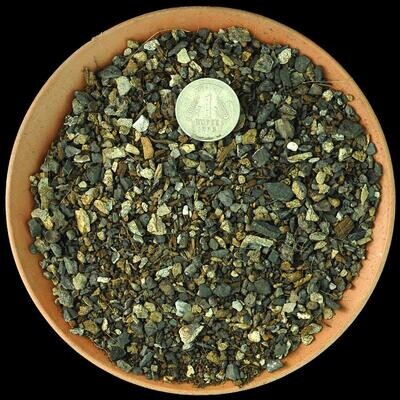
FORTIFIED Cactus & Succulent SOIL (COARSE)
FORTIFIED Cactus & Succulent SOIL (COARSE)
SKU MNS004
5.0
(11)
₹54.85
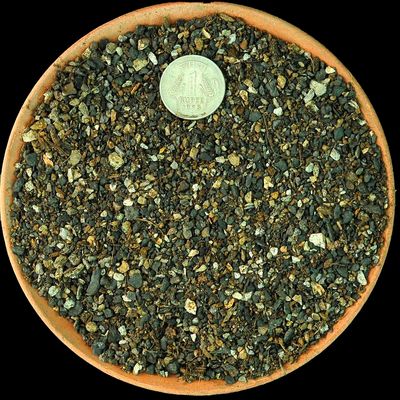
FORTIFIED Cactus & Succulent SOIL (FINE)
FORTIFIED Cactus & Succulent SOIL (FINE)
SKU MNS002
5.0
(4)
₹49.85
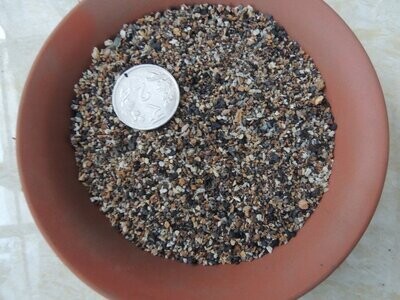
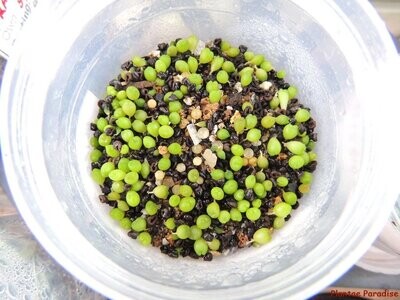
Cactus Seed Planting Mix
Cactus Seed Planting Mix
Sterile, Fine-Grain Media for Cactus & Succulent Seeds
SKU MNS005
₹74.85
Display prices in:INR
