
Categories
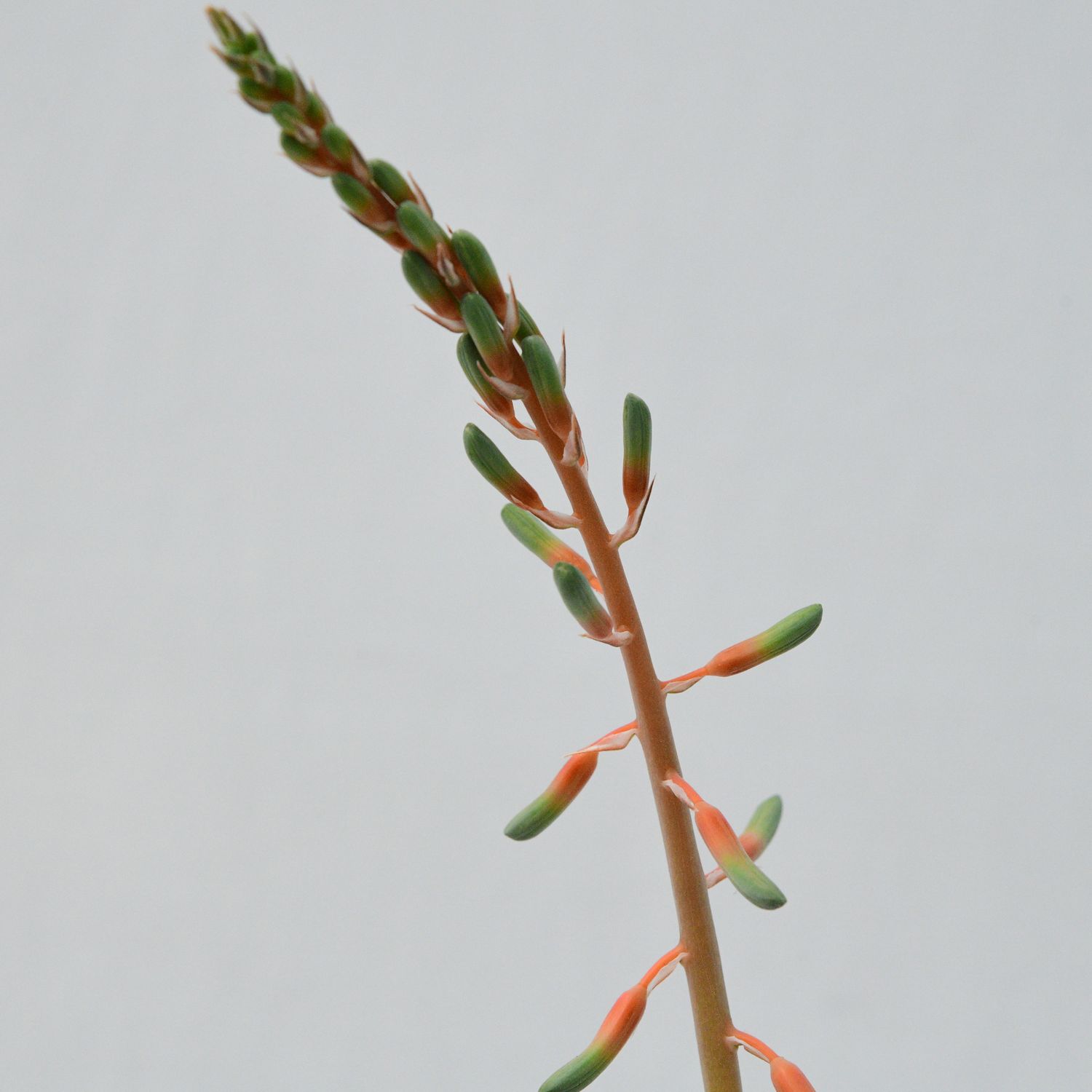
Gasteria croucheri
SKU GA014
₹450.00
Majestic slow-growing species with glossy green leaves
In stock: 1 available
1
Save this product for later
Customer reviews
Reviews only from verified customers
No reviews yet. You can buy this product and be the first to leave a review.
Gasteria croucheri
Product Details
Architectural Elegance: Gasteria croucheri
A majestic, slow-growing succulent prized for its bold, strap-shaped leaves and deep forest-green luster.
- Origin & History of Name: The genus name Gasteria is derived from the Greek gaster, meaning "stomach," referring to the distinct pot-bellied shape of the flower base.
This specific species was named by botanist John Gilbert Baker in 1867 to honor Gilbert Croucher, a dedicated grower of succulent plants during the Victorian era who provided the specimen for formal description. - Morphology: Gasteria croucheri is one of the largest species in the genus.
It features a rosette of thick, lanceolate leaves with a smooth epidermis (outer skin) that is typically dark green and mottled with faint white spots. Unlike smaller species, its leaves transition from a juvenile distichous (two-ranked) arrangement to a mature, spiraling rosette. The leaf margins are often finely serrulate, giving the edges a slightly roughened texture. - Habitat & Origin: This is a wild species native to the coastal regions of South Africa, specifically ranging from the Eastern Cape to KwaZulu-Natal.
It typically grows on rocky slopes or in the shade of scrub forest. All specimens provided are sustainably propagated via seed or offsets to protect wild populations from poaching. - Cultivation Profile:
- Substrate: Use a gritty, mineral-based mix (50% crushed leca or pumice, 50% coarse sand/perlite). Avoid standard garden soil which retains too much moisture in humid Indian climates.
- Light: Thrives in bright, indirect light or "dappled shade."
In India, keep it away from direct afternoon sun (12 PM – 4 PM), which can scorch the leaves; an east-facing balcony is ideal. - Water/Dormancy: Water deeply only when the substrate is bone-dry. During the monsoon, reduce watering significantly to prevent root rot. The plant enters a semi-dormant state during the peak heat of May and June.
- Scientific/Historical Anecdote: Gasteria croucheri holds a unique place in ethnobotany; in its native regions, it was historically used as a "protective charm."
It was often planted on the roofs of dwellings, as it was believed to shield the inhabitants from lightning strikes and evil spirits due to its hardy, resilient nature.
You May Also Like

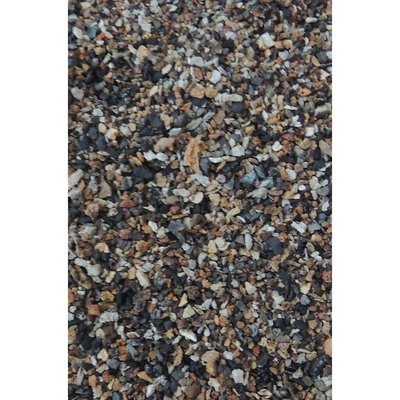
Cactus & Succulent Planting Mix FINE (aka Cactus Soil Mix or Succulent Soil Mix)
Cactus & Succulent Planting Mix FINE (aka Cactus Soil Mix or Succulent Soil Mix)
Fine-Grain Potting Mix for Cactus & Succulent Roots
SKU MNS001
5.0
(3)
₹39.85
New
Monsoon Guardian Kit (5 in 1)
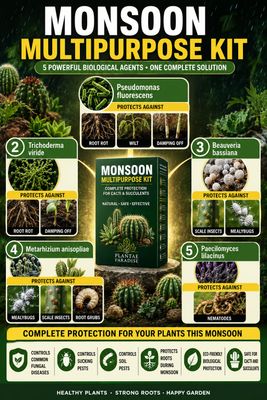
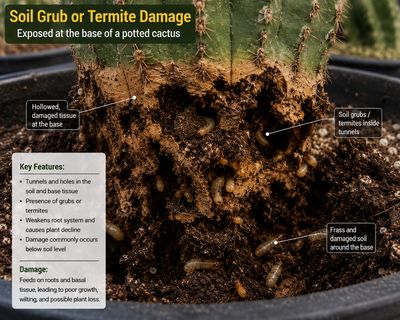
Monsoon Guardian Kit (5 in 1)
Complete 5-in-1 biological protection kit for cacti & succulents
SKU MNS024
₹850.00
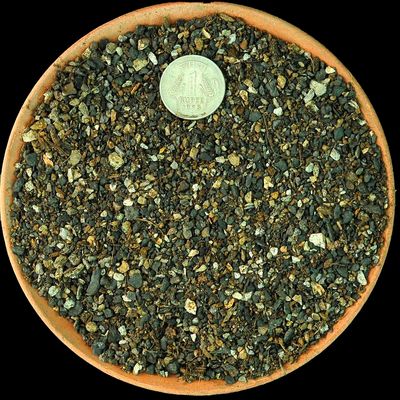
FORTIFIED Cactus & Succulent SOIL (FINE)
FORTIFIED Cactus & Succulent SOIL (FINE)
SKU MNS002
5.0
(4)
₹49.85
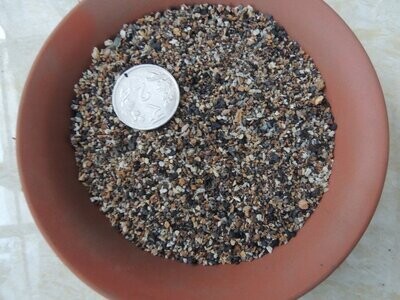
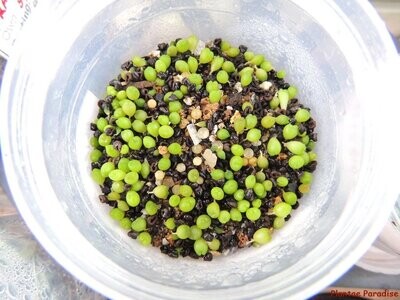
Cactus Seed Planting Mix
Cactus Seed Planting Mix
Sterile, Fine-Grain Media for Cactus & Succulent Seeds
SKU MNS005
₹74.85
Display prices in:INR
