
Categories
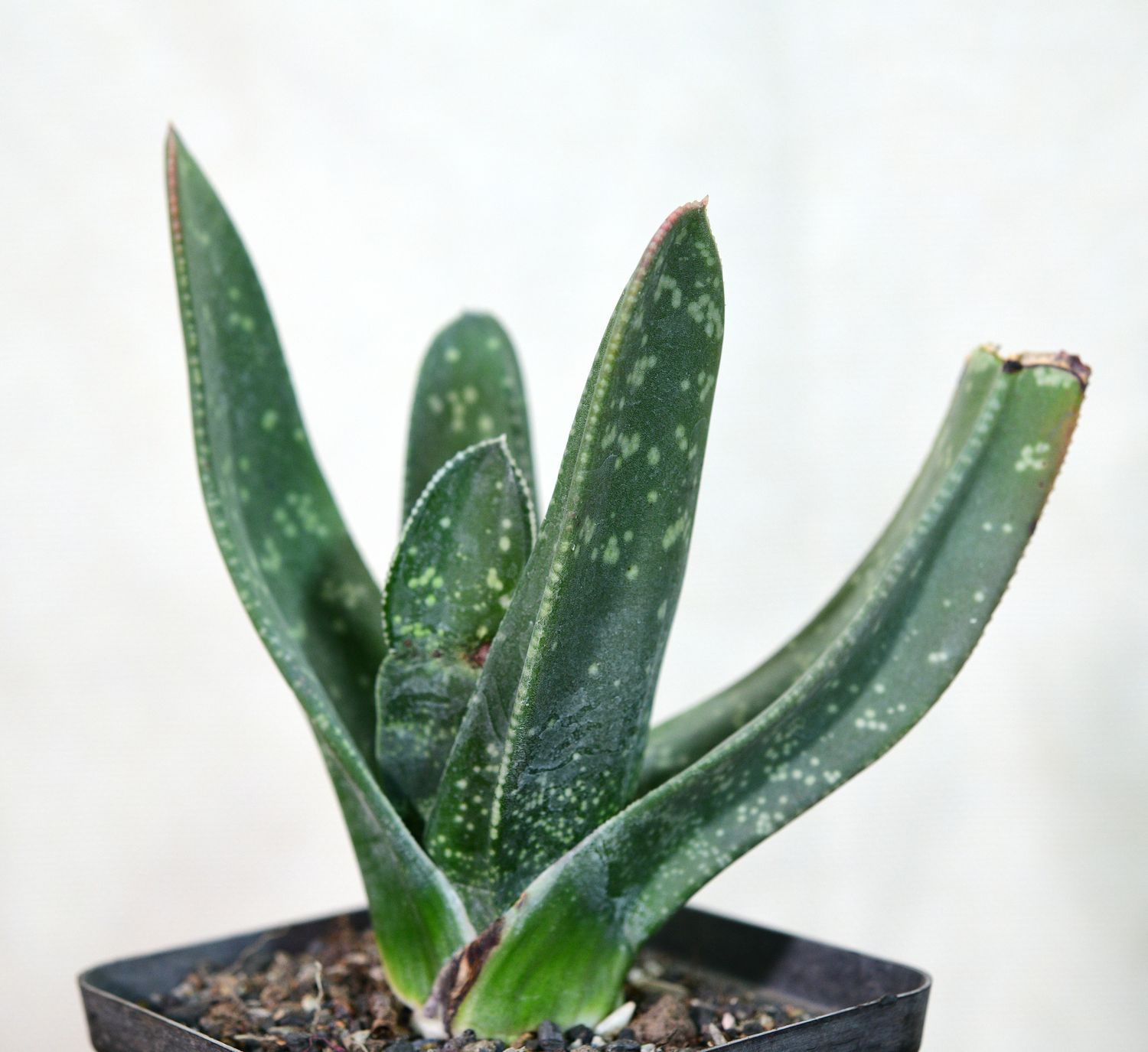
Gasteria excelsa
SKU GA018
₹1 200.00
In stock: 1 available
1
Save this product for later
Customer reviews
Reviews only from verified customers
No reviews yet. You can buy this product and be the first to leave a review.
Gasteria excelsa
Product Details
Majestic Architectural Succulent: Gasteria excelsa
A towering architectural marvel for collectors, prized for its massive scale and ancient, sculptural presence.
- Origin & History of Name: The genus name Gasteria is derived from the Greek word gaster, meaning "stomach," referring to the distinct pot-bellied shape of the flower base. The specific epithet excelsa is Latin for "noble" or "distinguished," an homage to its status as one of the largest species in the genus.
It was formally described by British botanist Adrian Hardy Haworth in the early 19th century, who was a pioneer in succulent classification. - Morphology: This species is characterized by its thick, ensiform (sword-shaped) leaves that transition from a distichous (two-ranked) arrangement in juveniles to a massive, spiraling rosette as it matures. The epidermis is smooth and dark green, often lacking the heavy white tubercles found in other Gasterias, but featuring subtle white spots. Its margins are armed with fine, cartilaginous teeth, and the leaves terminate in a sharp, hardened tip.
- Habitat & Origin: Gasteria excelsa is a wild species native to the Eastern Cape Province of South Africa.
It typically thrives on rocky slopes and within thickets. Our specimens are nursery-propagated via sustainable seed dispersal and offsets to prevent the poaching of wild populations in their native habitat. - Cultivation Profile:
- Substrate: Use a gritty, mineral-based mix (50% crushed brick or pumice, 25% coarse river sand, and 25% organic compost). In the Indian climate, ensure the pot is unglazed terracotta to allow the roots to breathe.
- Light: Bright, indirect light is ideal. In the Indian subcontinent, protect the plant from the scorching 12:00 PM – 4:00 PM sun, which can cause leaf scorch; an east-facing balcony is perfect.
- Water/Dormancy: Water deeply only when the substrate is completely bone-dry. During the humid monsoon season, reduce watering significantly to prevent fungal rot. The plant undergoes a semi-dormancy during the peak heat of summer.
- Scientific/Historical Anecdote: Unlike many of its smaller relatives, Gasteria excelsa is known in South African folklore as a "protective" plant. Historically, it was often planted on the thatched roofs of huts; it was believed that the plant's ability to withstand harsh conditions would shield the home from lightning strikes and evil spirits.
You May Also Like
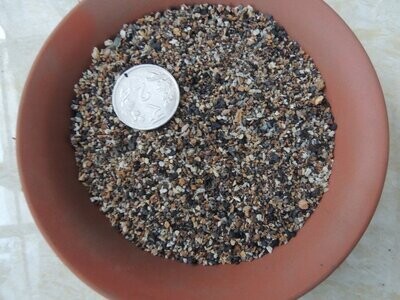
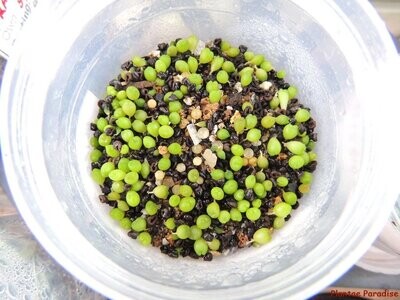
Cactus Seed Planting Mix
Cactus Seed Planting Mix
Sterile, Fine-Grain Media for Cactus & Succulent Seeds
SKU MNS005
₹74.85
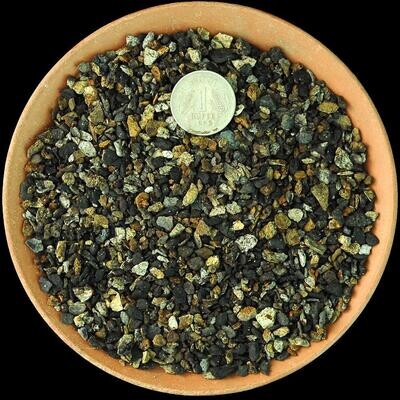
Cactus & Succulent Planting Mix COARSE (aka Cactus Soil Mix or Succulent Soil Mix)
Cactus & Succulent Planting Mix COARSE (aka Cactus Soil Mix or Succulent Soil Mix)
Washed, Free-Draining Mineral Mix for Cactus & Succulents
SKU MNS003
5.0
(1)
₹44.85

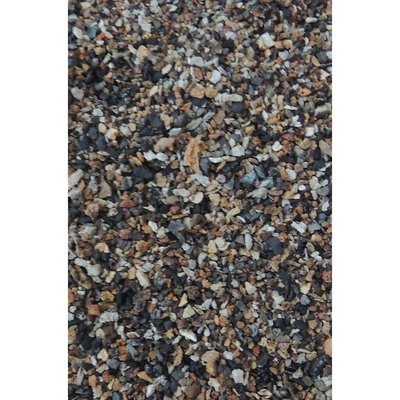
Cactus & Succulent Planting Mix FINE (aka Cactus Soil Mix or Succulent Soil Mix)
Cactus & Succulent Planting Mix FINE (aka Cactus Soil Mix or Succulent Soil Mix)
Fine-Grain Potting Mix for Cactus & Succulent Roots
SKU MNS001
5.0
(3)
₹39.85
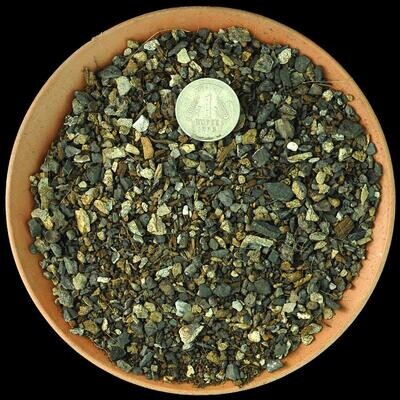
FORTIFIED Cactus & Succulent SOIL (COARSE)
FORTIFIED Cactus & Succulent SOIL (COARSE)
SKU MNS004
5.0
(12)
₹54.85
Display prices in:INR
