
Categories
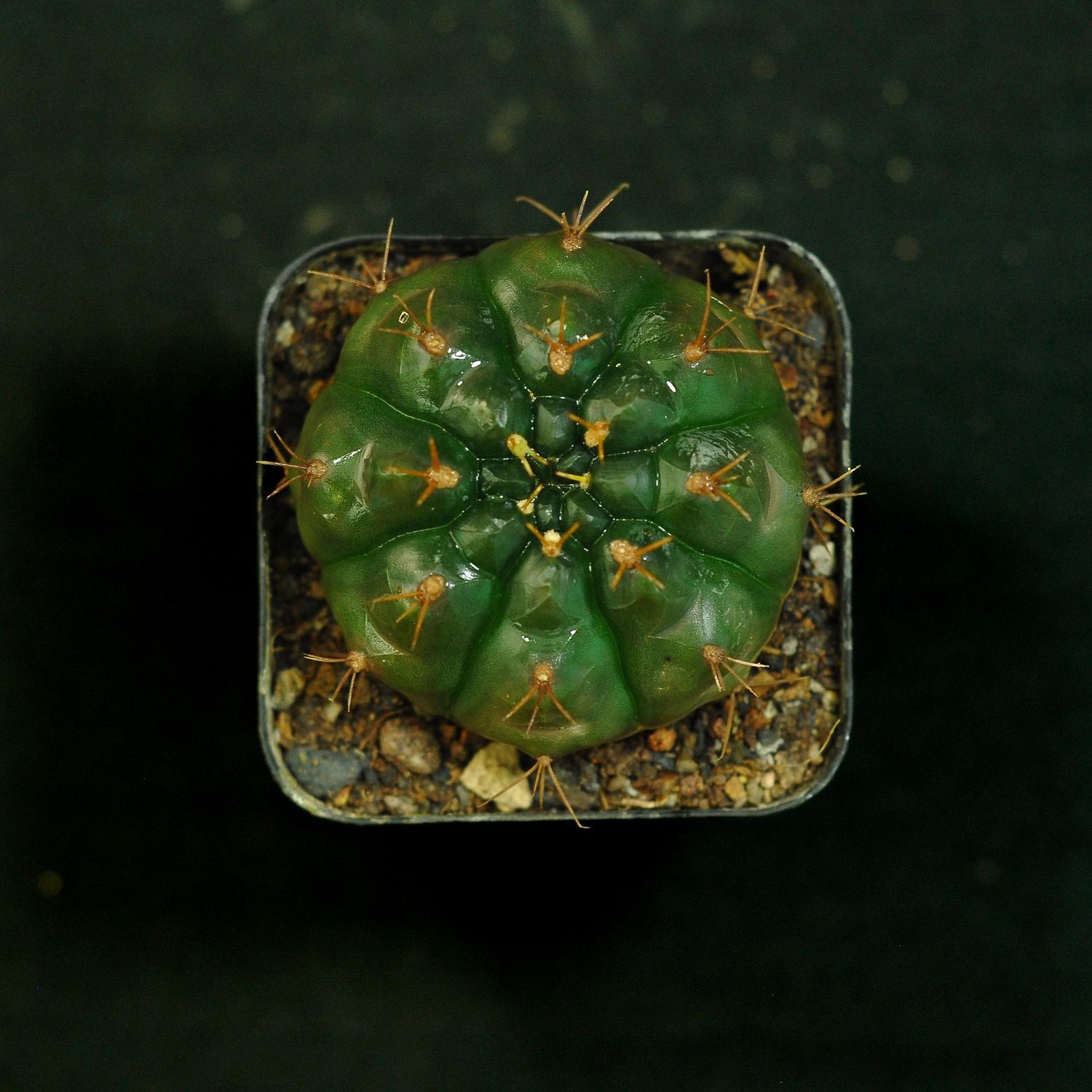
Gymnocalycium damsii
SKU GC066
₹100.00
Sold out
Sold out
Save this product for later
Customer reviews
Reviews only from verified customers
No reviews yet. You can buy this product and be the first to leave a review.
Gymnocalycium damsii
Product Details
Origin of Name
Gymnocalycium damsii, commonly known as the Chin Cactus, gets its genus name from the Greek words "gymnos" (naked) and "kalyx" (calyx), referring to the flower buds which are devoid of spines and hairs. The species name "damsii" honors Carlos Dams, a 20th-century cactus enthusiast. This cactus is cherished for its ease of care and stunning blooms.
Technical Description of Plant
Gymnocalycium damsii is a small to medium-sized, globular cactus, reaching up to 6 inches in height and diameter. It features a green to bluish-green body with 8 to 14 rounded ribs lined with areoles bearing several brown to black, sometimes curved spines. From late spring to early summer, it produces large, funnel-shaped flowers at the crown. The flowers vary in color from white to pink, and sometimes even red, adding a splash of color to its otherwise muted appearance.
Origin of Plant
Native to the mountain regions of Bolivia and Argentina, Gymnocalycium damsii is adapted to rocky substrates and semi-desert climates. It's found in elevations where it experiences cool nights and hot days, contributing to its hardiness and resilience.
Conservation Status
While Gymnocalycium damsii is not currently listed on the IUCN Red List of Threatened Species, it faces threats from habitat destruction and illegal collecting in its natural habitats. Conservation efforts and responsible cultivation are crucial for its preservation.
Care Instructions
Gymnocalycium damsii thrives in well-draining soil with ample airflow. It prefers bright, indirect light but can tolerate direct sunlight in cooler climates. Water moderately during the growing season but allow the soil to dry out completely between waterings to prevent root rot. In winter, reduce watering significantly to mimic its natural dormant period. This cactus is relatively cold-hardy but should be protected from frost. Propagation is typically done by seeds or offset division, making it accessible to enthusiasts of all levels.
You May Also Like

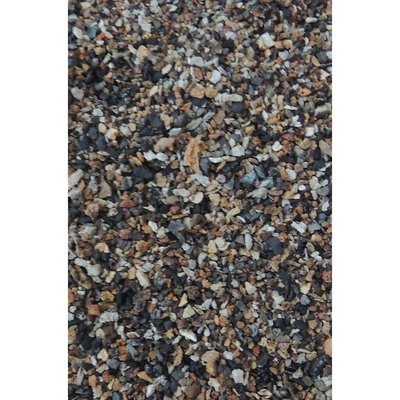
Cactus & Succulent Planting Mix FINE (aka Cactus Soil Mix or Succulent Soil Mix)
Cactus & Succulent Planting Mix FINE (aka Cactus Soil Mix or Succulent Soil Mix)
Fine-Grain Potting Mix for Cactus & Succulent Roots
SKU MNS001
5.0
(3)
₹39.85


Cactus Seed Planting Mix
Cactus Seed Planting Mix
Sterile, Fine-Grain Media for Cactus & Succulent Seeds
SKU MNS005
₹74.85
New


Monsoon Guardian Kit (5 in 1)
Monsoon Guardian Kit (5 in 1)
Complete 5-in-1 biological protection kit for cacti & succulents
SKU MNS024
₹850.00
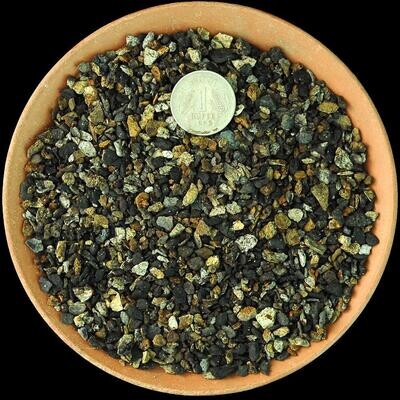
Cactus & Succulent Planting Mix COARSE (aka Cactus Soil Mix or Succulent Soil Mix)
Cactus & Succulent Planting Mix COARSE (aka Cactus Soil Mix or Succulent Soil Mix)
Washed, Free-Draining Mineral Mix for Cactus & Succulents
SKU MNS003
5.0
(1)
₹44.85
Display prices in:INR
