
Categories
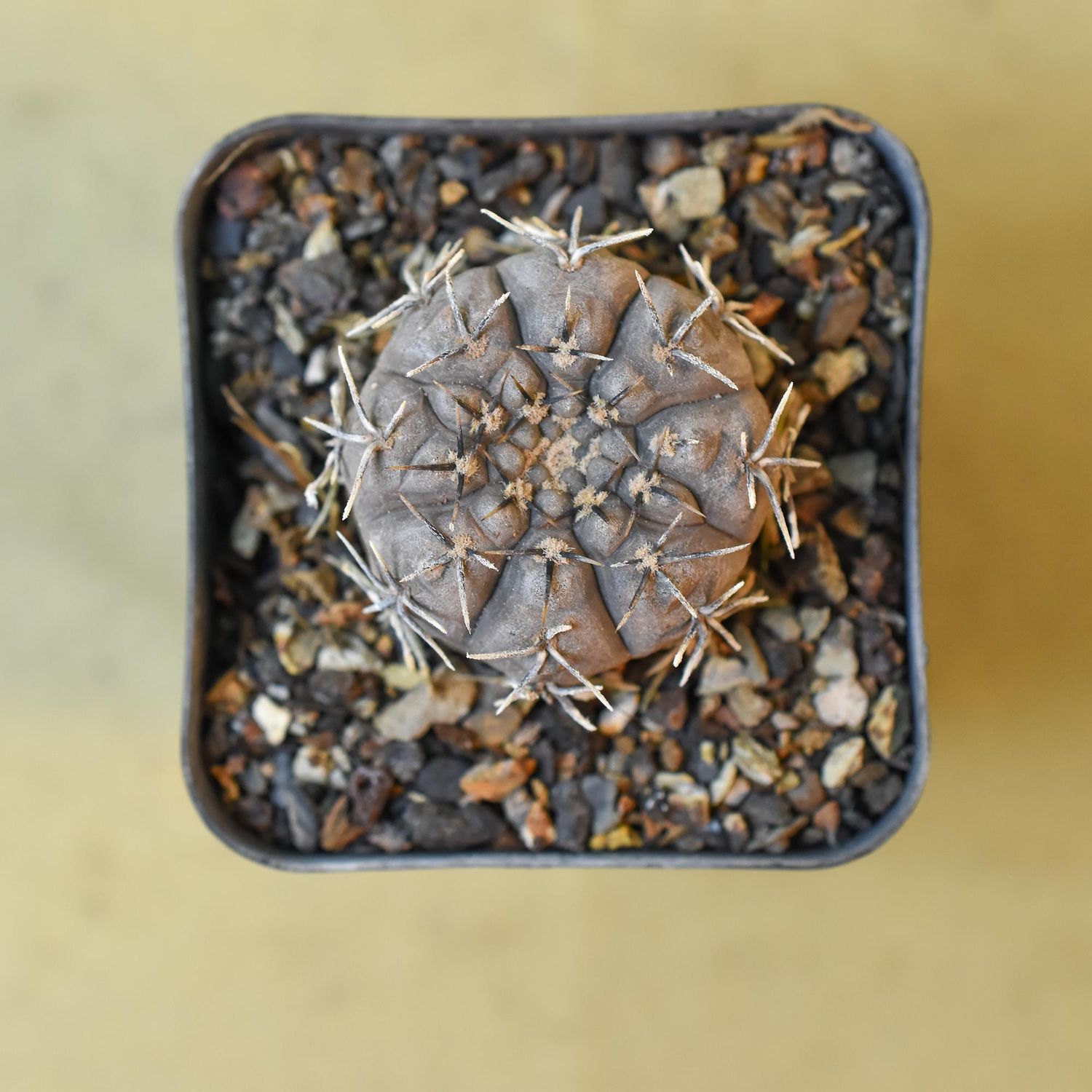
Gymnocalycium occultum
SKU GC015A
₹450.00
Sold out
Sold out
Save this product for later
Customer reviews
Reviews only from verified customers
No reviews yet. You can buy this product and be the first to leave a review.
Gymnocalycium occultum
Product Details
The Earth-Hugging Gem: Gymnocalycium occultum
A brooding masterpiece of the cactus world, prized by collectors for its flattened, cryptic form and dark, matte epidermis.
1. Origin & History of Name The genus name Gymnocalycium is derived from the Greek gymnos (naked) and kalyx (bud), referring to the flower buds which lack the hair or spines typical of other cacti.
2. Morphology This species is characterized by a discoid to depressed-globose stem with a distinctively dark, olive-brown to grayish epidermis.
3. Habitat & Origin Gymnocalycium occultum is a wild species native to the Catamarca province of Argentina.
4. Cultivation Profile
- Substrate: Requires a highly porous, mineral-based mix (e.g., 70% pumice, perlite, or grit mixed with 30% sterilized garden soil) to prevent root rot, particularly during humid Indian monsoons.
- Light: Thrives in bright, filtered light. In the Indian climate, provide full morning sun but use shade cloth or indirect placement during harsh afternoon hours (12 PM–4 PM) to prevent epidermal scorching.
- Water/Dormancy: Water thoroughly only when the substrate is bone dry (approx. once every 10–14 days in summer). Suspend watering almost entirely during the winter dormancy period (November–February) to induce flowering in spring.
5. Scientific Anecdote The defining biological feature of the Gymnocalycium genus—the lack of spines or wool on the flower tube—was a significant taxonomic distinction noted by Louis Pfeiffer when he established the genus in 1845. This evolutionary trait allows the buds to push through the plant's tight ribs without getting snagged, a crucial adaptation for a plant that grows so low to the ground.
You May Also Like
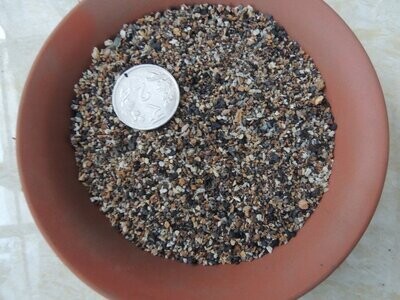
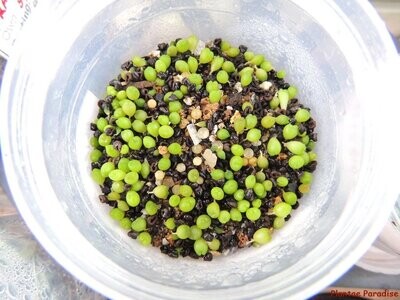
Cactus Seed Planting Mix
Cactus Seed Planting Mix
Sterile, Fine-Grain Media for Cactus & Succulent Seeds
SKU MNS005
₹74.85
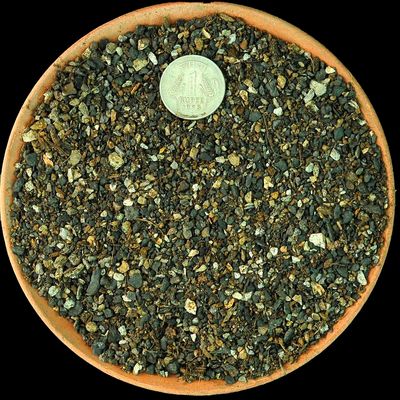
FORTIFIED Cactus & Succulent SOIL (FINE)
FORTIFIED Cactus & Succulent SOIL (FINE)
SKU MNS002
5.0
(4)
₹49.85
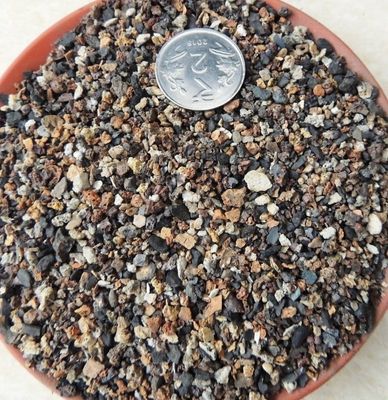
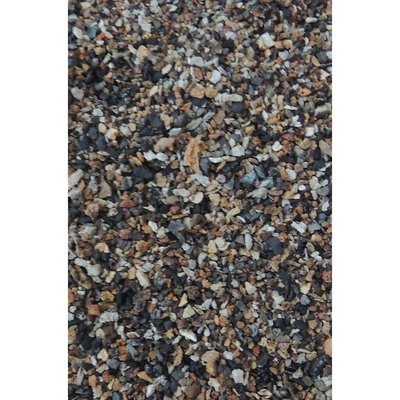
Cactus & Succulent Planting Mix FINE (aka Cactus Soil Mix or Succulent Soil Mix)
Cactus & Succulent Planting Mix FINE (aka Cactus Soil Mix or Succulent Soil Mix)
Fine-Grain Potting Mix for Cactus & Succulent Roots
SKU MNS001
5.0
(3)
₹39.85
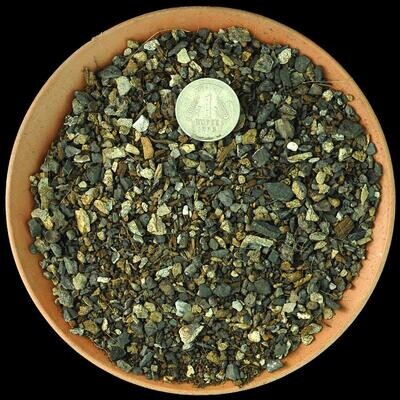
FORTIFIED Cactus & Succulent SOIL (COARSE)
FORTIFIED Cactus & Succulent SOIL (COARSE)
SKU MNS004
5.0
(11)
₹54.85
Display prices in:INR
