
Categories
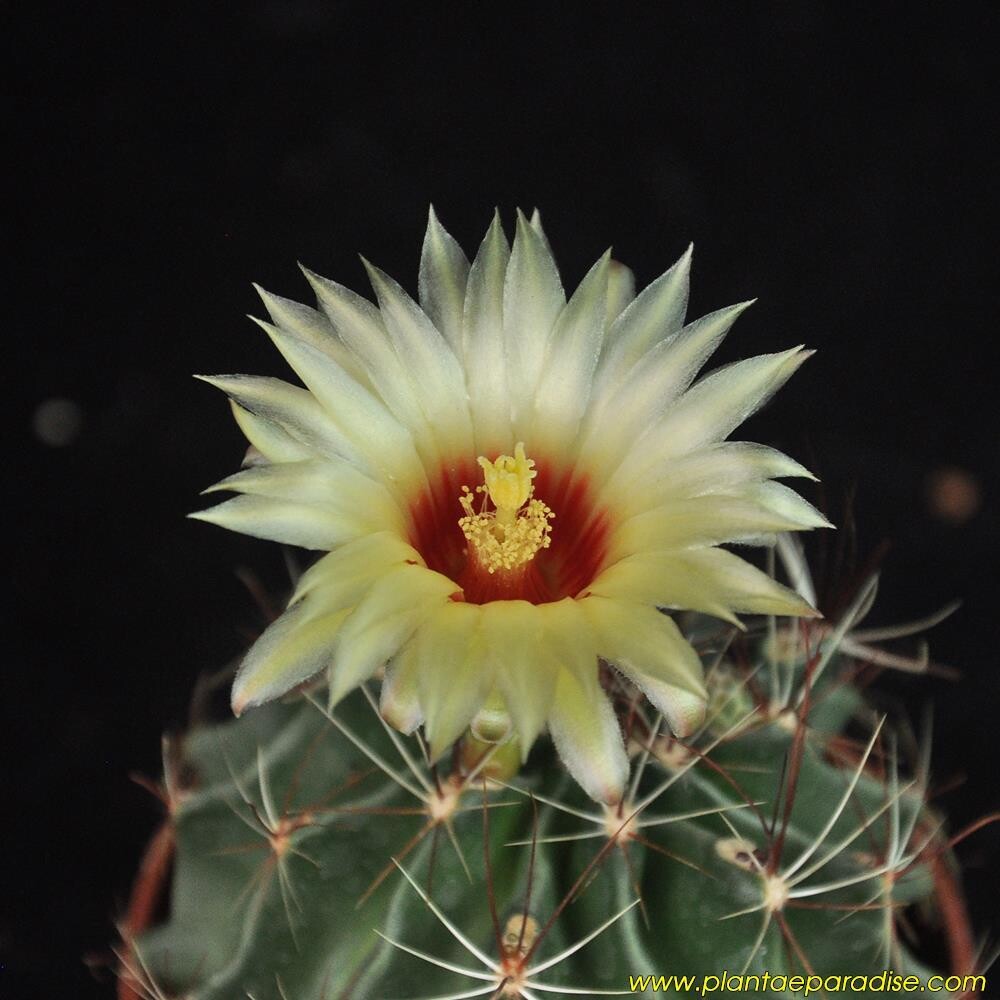
Hamatocactus setispinus
SKU HM002
₹220.00
In stock: 20 available
1
Save this product for later
Customer reviews
Reviews only from verified customers
No reviews yet. You can buy this product and be the first to leave a review.
Hamatocactus setispinus
Product Details
Hamatocactus setispinus: The Spiny and Striking Desert Sculptor
1. Origin of Name:
The genus "Hamatocactus" originates from Greek—"hamatos," meaning "hooked" or "curved," and "cactus," denoting its family. The species "setispinus" combines Latin roots—"seta," meaning "bristle" or "hair," and "spinus," meaning "thorn"—referring to its dense, hair-like spines that give it a distinctive, bristly appearance. This name highlights the plant’s prominent, bristly spines that resemble fine hairs radiating from its surface, emphasizing its textured, rugged beauty.
2. Origin of Plant:
Hamatocactus setispinus is native to the arid regions of northeastern Mexico, especially in limestone-rich, rocky desert slopes and gravelly soils. It is well-adapted to extreme drought, intense sunlight, and poor soils. Its natural habitat is characterized by rugged, rocky terrain, where its dense, spiny surface provides protection from harsh environmental conditions and herbivores.
3. Description:
This small to medium cactus typically measures about 4-8 inches tall and wide, with a rounded or globular form. Its surface is densely covered with fine, hair-like, bristle-like spines—giving it a velvety or fuzzy appearance in close-up—that radiate outward in a dense array. The spines are often pale, white, or silvery, adding to its ornamental appeal. During the blooming season, it produces large, vivid, funnel-shaped flowers in shades of yellow, orange, or red at the top of the plant, providing a bright contrast to its spiny, bristly surface.
4. Conservation Status:
While cultivated widely in collections, wild populations of Hamatocactus setispinus are vulnerable to habitat destruction and illegal collection. Supporting responsible cultivation helps conserve this species’ genetic diversity and reduces pressure on wild populations, making it a sustainable and attractive choice for cactus enthusiasts.
5. Care:
To ensure healthy growth:
- Watering: Water very sparingly, allowing the soil to dry out completely between waterings. Keep watering minimal or stopped in winter.
- Soil: Use a well-draining cactus or mineral-based soil mix with coarse sand, pumice, or gravel.
- Light: Needs bright, full sun or very direct, intense sunlight for at least 4-6 hours daily to maintain its vibrant blooms and spiny texture.
- Temperature: Prefers warm temperatures between 60°F (15°C) and 85°F (29°C). Protect from frost—bring indoors or insulate during cold seasons.
- Tips: Fertilize lightly during the growing season with a cactus fertilizer. Watch for pests such as scale, mealybugs, and spider mites.
Hamatocactus setispinus captivates with its dense, bristle-like spines and vibrant flowers, embodying the rugged beauty of desert plants. Its velvety, textured surface and striking appearance make it a favorite for collectors seeking a bold, intricate cactus that showcases nature’s ability to craft complex, ornamental forms.
You May Also Like

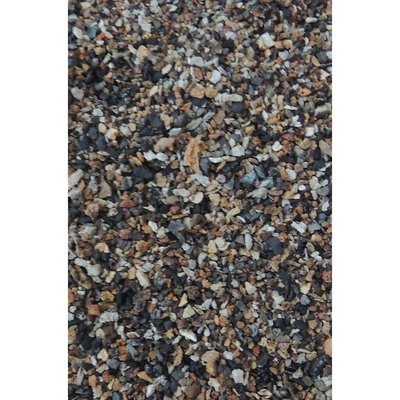
Cactus & Succulent Planting Mix FINE (aka Cactus Soil Mix or Succulent Soil Mix)
Cactus & Succulent Planting Mix FINE (aka Cactus Soil Mix or Succulent Soil Mix)
Fine-Grain Potting Mix for Cactus & Succulent Roots
SKU MNS001
5.0
(3)
₹39.85

FORTIFIED Cactus & Succulent SOIL (FINE)
FORTIFIED Cactus & Succulent SOIL (FINE)
SKU MNS002
5.0
(4)
₹49.85

FORTIFIED Cactus & Succulent SOIL (COARSE)
FORTIFIED Cactus & Succulent SOIL (COARSE)
SKU MNS004
5.0
(12)
₹54.85
New
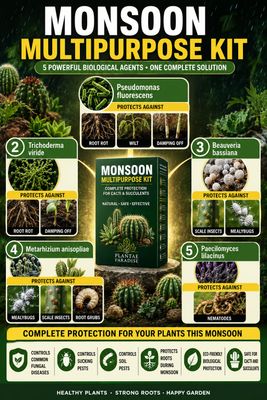
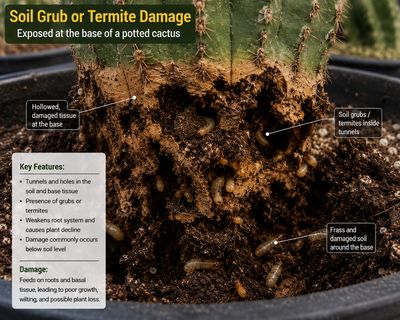
Monsoon Guardian Kit (5 in 1)
Monsoon Guardian Kit (5 in 1)
Complete 5-in-1 biological protection kit for cacti & succulents
SKU MNS024
₹850.00
Display prices in:INR
