
Categories
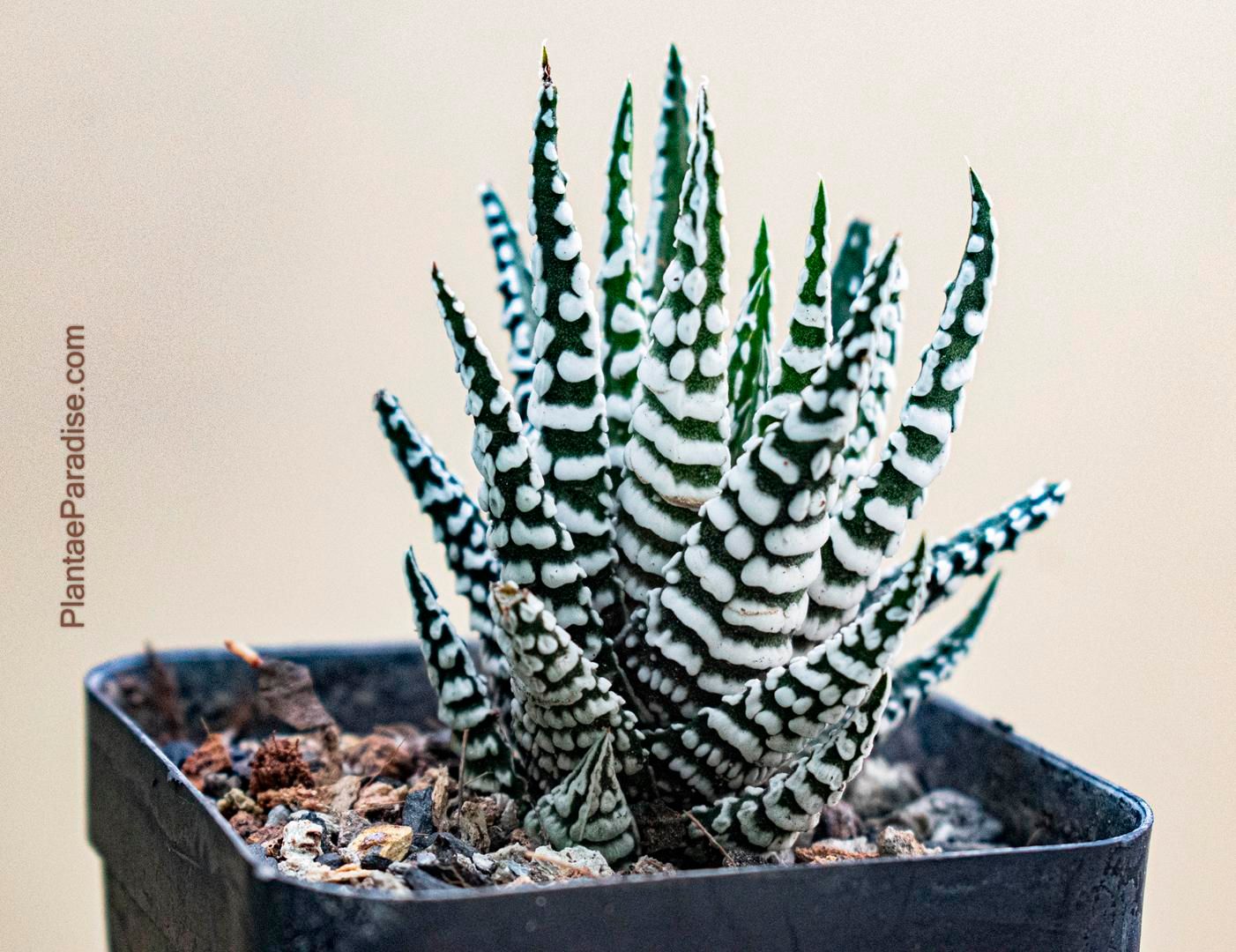
Haworthia attenuata cv Super wide zebra
5.0
1 review
Reviews from verified customers who have purchased products at this store.
SKU HH056
₹300.00
In stock: 1 available
1
Save this product for later
Customer reviews
Reviews only from verified customers
Reviews are only accepted from verified customers who have signed in and purchased the products. This ensures that each review is based on genuine customer experiences. All reviews are checked before publication to prevent spam.
Amitabh D.
Lucknow,
India
Thu, September 24, 2026
Haworthia attenuata cv Super wide zebra
Product Details
Haworthia attenuata cv Super Wide Zebra
1. Origin of Name:
The genus Haworthia is named after the British botanist Alan Henderson Haworth, who first described the genus in the 19th century. The species attenuata derives from Latin, meaning "thinned" or "tapered," referring to the plant’s loosely tapered, fleshy leaves. Commonly called "Zebra Haworthia", this cultivar's Super Wide Zebra name highlights its spectacular, broad, striped leaves. Its signature white, horizontal banding resembles zebra stripes, giving it a distinct and appealing look. The "Super Wide" variety emphasizes its expanded, broad and wider than normal white bands.
2. Origin of Plant:
Haworthia attenuata is native to the rocky, arid regions of South Africa, where it has adapted to survive harsh, sunny environments with minimal water. The Super Wide Zebra cultivar is a cultivated variety developed through selective propagation to emphasize its broad, striking leaves. Though originally discovered in its wild habitat in the 19th century, this particular cultivar emerged from horticultural cultivation in recent decades, appreciated for its dramatic appearance and low-maintenance nature.
3. Description:
This compact, rosette-forming succulent features thick, tapering leaves that spread outward in a broad, fan-like arrangement. Each leaf is dark green with distinctive, white, horizontal zebra stripes that contrast beautifully against the green background. The leaves typically grow up to 4-6 inches in length, with broad, flattened surfaces that give the plant a bold, eye-catching presence. The plant rarely flowers indoors, but when it does, small, tubular, white flowers emerge on slender stalks, adding a delicate touch to its striking appearance. Its broad, striped foliage makes it an ideal decorative plant—perfect for succulent arrangements, windowsills, or tabletop displays.
4. Conservation Status:
As a cultivated succulent breed, Haworthia attenuata cv Super Wide Zebra is not threatened in the wild and is widely propagated for ornamental use. Its popularity encourages responsible cultivation and propagation, ensuring sustainable growth and availability in the horticultural market.
5. Care:
- Watering: Water sparingly—allow the soil to dry out completely between watering to prevent root rot. During winter, reduce watering even further.
- Soil: Use a well-draining cactus or succulent mix, enriched with perlite or coarse sand for optimal aeration.
- Light: Prefers bright, indirect sunlight. It can tolerate some direct morning sun but should be protected from intense afternoon rays to avoid leaf scorch.
- Temperature: Prefers warm conditions between 60°F and 80°F (16°C to 27°C). Protect from frost—best grown indoors or in a heated greenhouse during winter in colder climates.
- Additional Tips: Avoid overwatering and ensure proper drainage. Fertilize lightly during the active growing season with a diluted succulent fertilizer. Its low-maintenance nature makes it ideal for beginner succulent enthusiasts or as a decorative desk or windowsill plant.
You May Also Like
New


Monsoon Guardian Kit (5 in 1)
Monsoon Guardian Kit (5 in 1)
Complete 5-in-1 biological protection kit for cacti & succulents
SKU MNS024
₹850.00
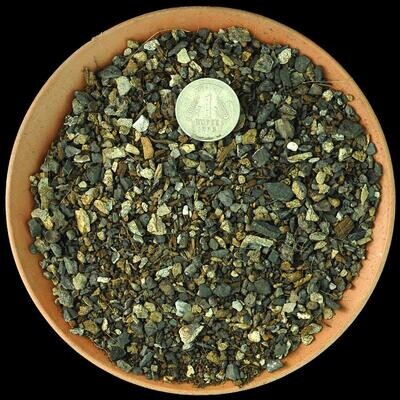
FORTIFIED Cactus & Succulent SOIL (COARSE)
FORTIFIED Cactus & Succulent SOIL (COARSE)
SKU MNS004
5.0
(11)
₹54.85
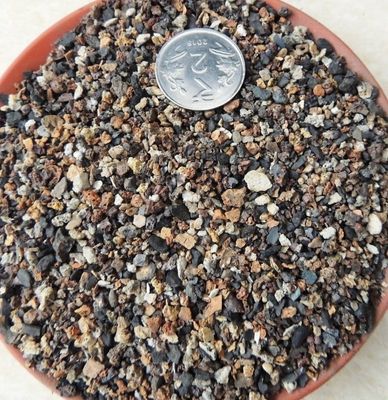
Cactus & Succulent Planting Mix FINE (aka Cactus Soil Mix or Succulent Soil Mix)
Cactus & Succulent Planting Mix FINE (aka Cactus Soil Mix or Succulent Soil Mix)
Fine-Grain Potting Mix for Cactus & Succulent Roots
SKU MNS001
5.0
(3)
₹39.85
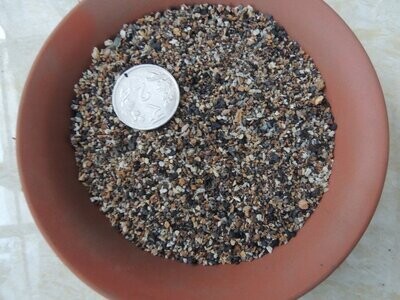
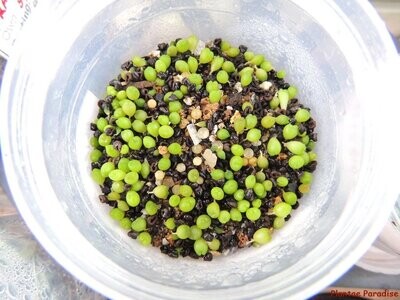
Cactus Seed Planting Mix
Cactus Seed Planting Mix
Sterile, Fine-Grain Media for Cactus & Succulent Seeds
SKU MNS005
₹74.85
Display prices in:INR
