
Categories
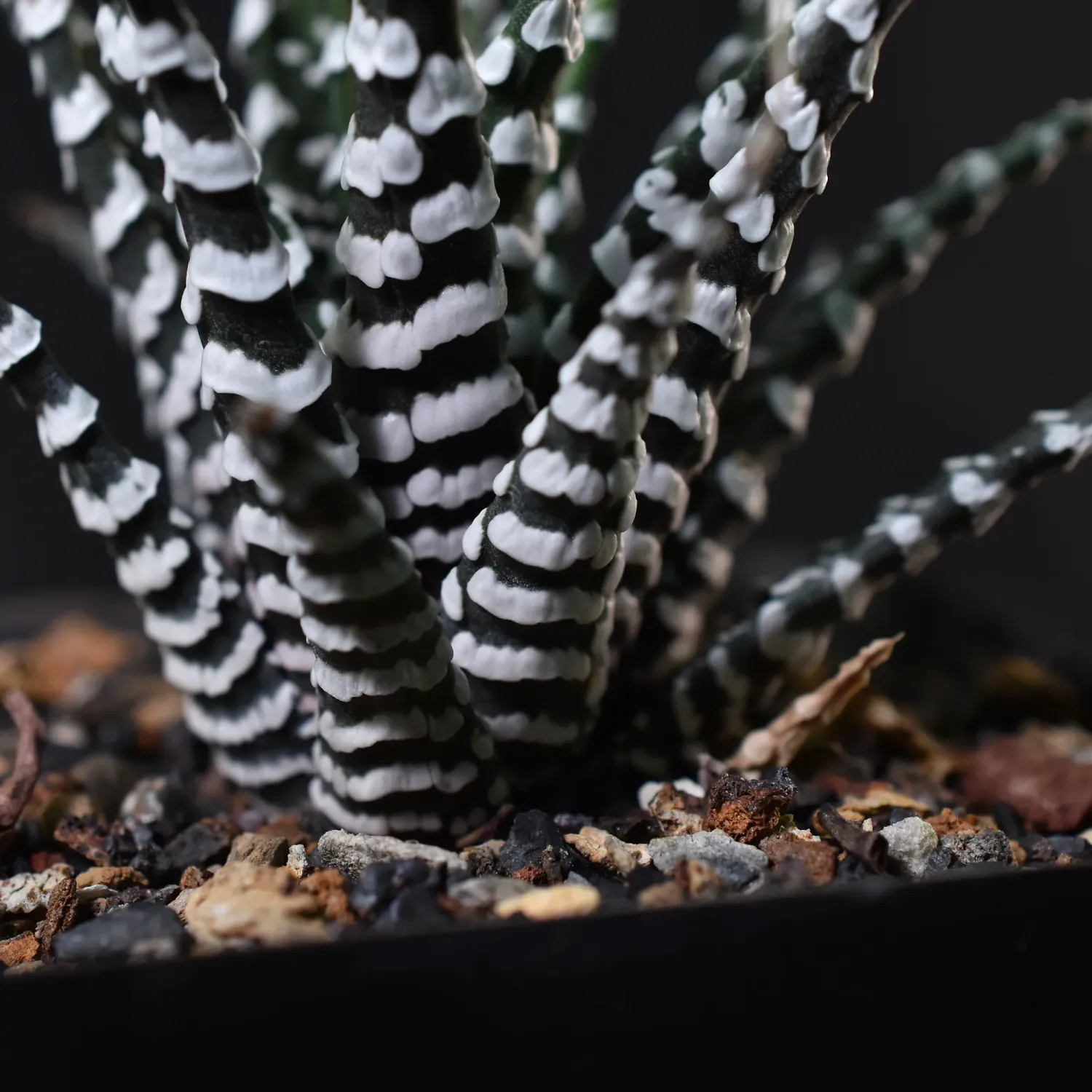
Haworthia attenuata cv Zebra ( Broad Band)
5.0
1 review
Reviews from verified customers who have purchased products at this store.
SKU HH083
₹350.00
In stock: 5 available
1
Save this product for later
Customer reviews
Reviews only from verified customers
Reviews are only accepted from verified customers who have signed in and purchased the products. This ensures that each review is based on genuine customer experiences. All reviews are checked before publication to prevent spam.
Prabhanjan
Hyderabad,
India
Wed, April 30, 2025
This customer didn’t leave a review but rated the product.
Haworthia attenuata cv Zebra ( Broad Band)
Product Details
The Bold Architect: Haworthia attenuata cv. Zebra (Broad Band)
A striking architectural masterpiece featuring oversized pearly bands that redefine the classic Zebra succulent aesthetic.
- Origin & History of Name: The genus name Haworthia honors British botanist Adrian Hardy Haworth, who contributed significantly to succulent classification in the early 19th century.
The specific epithet attenuata refers to the "tapering" shape of the leaves. This specific cultivar, "Broad Band," is named for its selective breeding, which prioritizes wide, fused white tubercles over the standard thin spotting found in the base species. - Morphology: This plant is characterized by its rosette habit and lanceolate leaves.
Unlike the common variety, the epidermis (outer skin) of the "Broad Band" features thickened, horizontal costae—raised white ridges formed by calcium deposits. These bands are noticeably wider and more contiguous, creating a high-contrast, ribbed texture that serves as a protective structural element against intense light. - Habitat & Origin: This is a cultivar, specifically bred for enhanced ornamental traits. While the parent species Haworthia attenuata is indigenous to the Eastern Cape Province of South Africa, the "Broad Band" selection was developed in cultivation. Our specimens are propagated via offsets to ensure genetic consistency and environmental sustainability, avoiding the poaching of wild populations.
- Cultivation Profile:
- Substrate: Use a strictly mineral-based mix. A ratio of 70% inorganic material (pumice, perlite, or crushed leca) and 30% organic matter (cocopeat) is ideal for the Indian climate to prevent root rot.
- Light: Thrives in bright, indirect light. In India, an east-facing windowsill is perfect. Avoid the scorching 12:00 PM – 4:00 PM direct summer sun, which can cause "sun-stress" purpling or leaf burn.
- Water/Dormancy: Follow a "soak and dry" method. Water deeply, then allow the medium to dry completely. During the peak of the Indian monsoon (high humidity) and the height of summer (semi-dormancy), reduce watering frequency significantly.
- Scientific/Historical Anecdote: Haworthia were once classified in the same family as Aloes. However, modern phylogenetics moved them to the Asphodelaceae family. A unique biological feature of this genus is their "windowed" relatives, but the attenuata species evolved opaque, tuberculated skins specifically to reflect harsh UV rays in more exposed rocky crevices, acting as a natural SPF for the plant's internal tissues.
You May Also Like
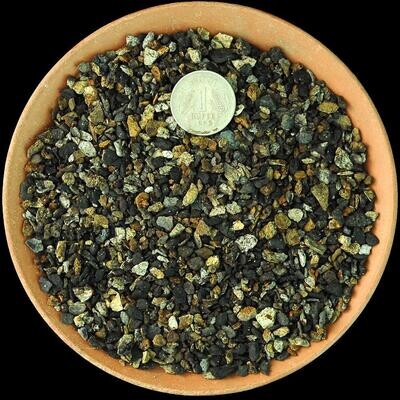
Cactus & Succulent Planting Mix COARSE (aka Cactus Soil Mix or Succulent Soil Mix)
Cactus & Succulent Planting Mix COARSE (aka Cactus Soil Mix or Succulent Soil Mix)
Washed, Free-Draining Mineral Mix for Cactus & Succulents
SKU MNS003
5.0
(1)
₹44.85

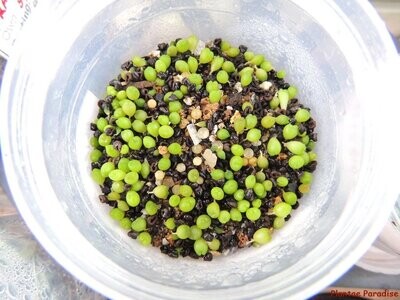
Cactus Seed Planting Mix
Cactus Seed Planting Mix
Sterile, Fine-Grain Media for Cactus & Succulent Seeds
SKU MNS005
₹74.85

FORTIFIED Cactus & Succulent SOIL (COARSE)
FORTIFIED Cactus & Succulent SOIL (COARSE)
SKU MNS004
5.0
(11)
₹54.85


Cactus & Succulent Planting Mix FINE (aka Cactus Soil Mix or Succulent Soil Mix)
Cactus & Succulent Planting Mix FINE (aka Cactus Soil Mix or Succulent Soil Mix)
Fine-Grain Potting Mix for Cactus & Succulent Roots
SKU MNS001
5.0
(3)
₹39.85
Display prices in:INR
