
Categories
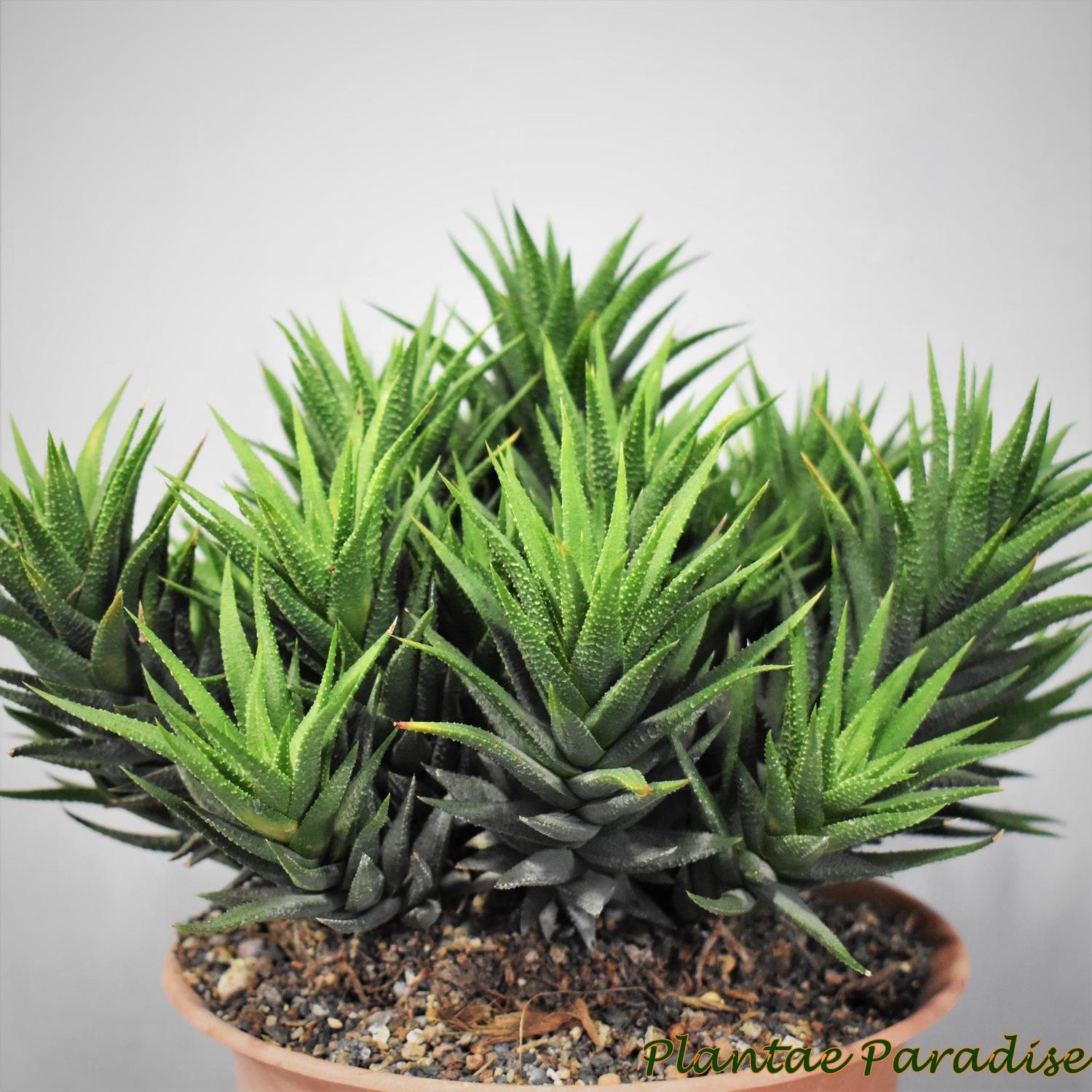
Haworthia attenuata var. radula
SKU HH007
₹240.00
In stock: 2 available
1
Save this product for later
Customer reviews
Reviews only from verified customers
No reviews yet. You can buy this product and be the first to leave a review.
Haworthia attenuata var. radula
Product Details
Haworthia attenuata var. radula — Textured Zebra Haworthia; compact, striking white-banded leaves, perfect for windowsills and mixed succulent displays.
- Origin of Name
- Etymology: The genus name Haworthia honors Adrian Hardy Haworth (1767–1833), an English entomologist and botanist who published foundational works on succulents. The species epithet attenuata is from Latin attenuatus, meaning “tapered” or “narrowed,” referring to the plant’s slender, pointed leaves compared with some relatives. The varietal name radula derives from Latin radula, meaning “scraper” or “rasp,” referencing the rough, tooth‑like tubercles along the leaf surface that feel slightly abrasive—an apt descriptor used by early taxonomists and horticulturists.
- Naming history and synonyms: Haworthia attenuata was described in the early 19th century as collectors documented South African succulents. Varieties such as var. radula were recognized to distinguish forms with particularly pronounced tubercles and rugged textures. In horticulture, H. attenuata and closely related species (e.g., H. fasciata) have been frequently confused; growers often rely on leaf tubercle patterning (surface vs. margin) and overall leaf thickness to differentiate them. Historical literature contains occasional synonymy and misapplication of names, but var. radula is widely used in trade for the rough‑textured, heavily tubercled form.
- Origin of Plant
- Natural habitat & geography: Native to the Eastern Cape Province of South Africa, Haworthia attenuata var. radula grows on rocky slopes, crevices, and shallow soils where drainage is excellent. It often occupies partially shaded microsites beneath shrubs or among stones, benefiting from filtered light and protection from intense midday sun.
- Discovery history: European botanists and plant collectors in the 19th century cataloged many Haworthia species from South Africa; specimens were brought into cultivation and described by taxonomists. Forms with distinctive rough tubercles were recorded and cultivated early on, leading to recognition of varietal names like radula in horticultural practice.
- Description
- Habit & size: A small, clumping succulent forming rosettes and offsets, typically 2–6 inches (5–15 cm) across. It slowly produces dense clusters ideal for pots or rockery plantings.
- Leaves & texture: Leaves are elongated, tapered, and arranged in tight rosettes. The defining trait of var. radula is heavy, raised tubercles that cover the leaf surfaces and often the margins, giving a rasped, textured look. Leaf color ranges from deep green to gray-green; conspicuous white bands or rows of tubercles create a striking zebra-like pattern across the leaves, particularly noticeable on mature plants.
- Flowers: Produces slender inflorescences up to 12–30 cm tall with small tubular white to pale pink flowers in late winter to spring. While flowers are delicate and charming, the leaf texture and banding are the main ornamental attractions.
- Ornamental traits: Noted for its dramatic contrast of dark foliage and bright tubercle bands, var. radula is excellent for minimalist pots, dish gardens, terrariums, and as a tactile specimen in mixed succulent collections.
- Conservation Status
- Wild status: Haworthia attenuata and its varieties are not widely listed as critically endangered globally, but localized populations may be impacted by habitat loss and illegal collection. Exact conservation status varies by locality.
- Conservation notes: Purchase from reputable growers who propagate from offsets or tissue culture. Cultivation by hobbyists and nurseries helps reduce pressure on wild populations.
- Care
- Light: Bright, indirect light with some morning sun or gentle afternoon shade. In stronger light, leaf contrast becomes more vivid; avoid harsh midday sun which can scorch leaves.
- Water: Follow the soak-and-dry method—water thoroughly, then allow the growing medium to dry before watering again. Reduce watering in winter when growth slows. Avoid letting plants sit in water.
- Soil & drainage: Use a fast-draining succulent/cactus mix amended with pumice, coarse sand, or perlite. Excellent drainage is essential to prevent root rot.
- Temperature & humidity: Prefers 55–85°F (13–29°C). Protect from frost and prolonged exposure below ~40°F (4–5°C). Average indoor humidity is acceptable.
- Fertilizer: Feed lightly during active growth (spring–early fall) with a diluted, balanced fertilizer monthly.
- Propagation & maintenance: Propagate by offsets or seed. Repot every 2–3 years if crowded. Monitor for mealybugs and scale; good airflow and dry periods help prevent pests and fungal problems.
- Anecdote / Historical Note Haworthias were popular among Victorian collectors for close-study cabinets and greenhouse displays; var. radula’s distinctive rough texture and zebra-like tubercle bands made it a tactile curiosity that drew attention when held up to the light. Today, enthusiasts prize var. radula both for its bold patterns and its suitability for small-space displays—qualities that echo its long history as a collector’s favorite.
You May Also Like
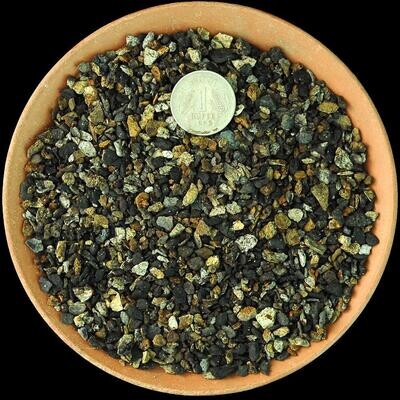
Cactus & Succulent Planting Mix COARSE (aka Cactus Soil Mix or Succulent Soil Mix)
Cactus & Succulent Planting Mix COARSE (aka Cactus Soil Mix or Succulent Soil Mix)
Washed, Free-Draining Mineral Mix for Cactus & Succulents
SKU MNS003
5.0
(1)
₹44.85
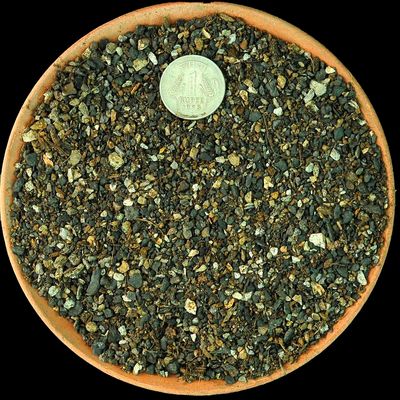
FORTIFIED Cactus & Succulent SOIL (FINE)
FORTIFIED Cactus & Succulent SOIL (FINE)
SKU MNS002
5.0
(4)
₹49.85
New

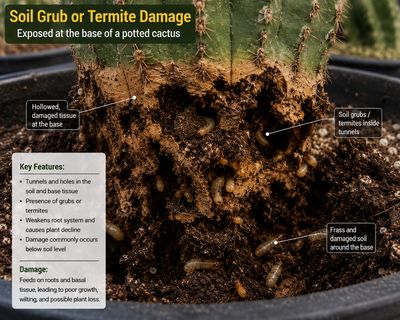
Monsoon Guardian Kit (5 in 1)
Monsoon Guardian Kit (5 in 1)
Complete 5-in-1 biological protection kit for cacti & succulents
SKU MNS024
₹850.00
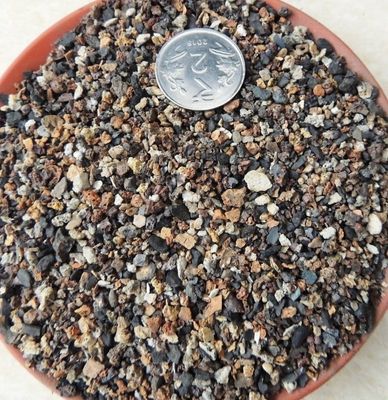
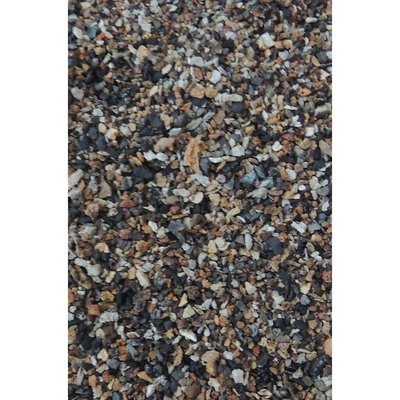
Cactus & Succulent Planting Mix FINE (aka Cactus Soil Mix or Succulent Soil Mix)
Cactus & Succulent Planting Mix FINE (aka Cactus Soil Mix or Succulent Soil Mix)
Fine-Grain Potting Mix for Cactus & Succulent Roots
SKU MNS001
5.0
(3)
₹39.85
Display prices in:INR
