
Categories
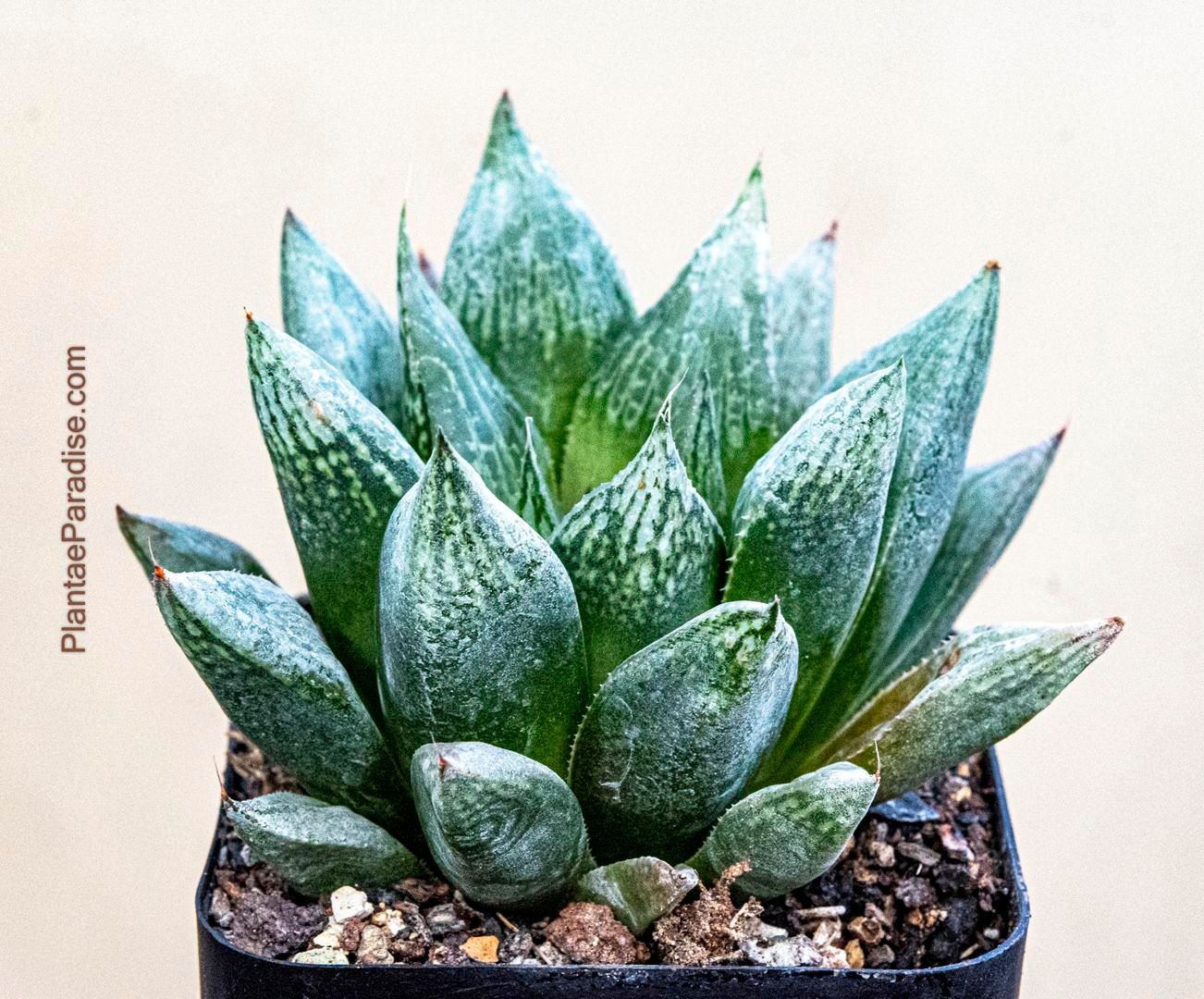
Haworthia cooperi hybrid
SKU HH078
₹390.00
In stock: 5 available
1
Save this product for later
Customer reviews
Reviews only from verified customers
No reviews yet. You can buy this product and be the first to leave a review.
Haworthia cooperi hybrid
Product Details
1. Origin of Name:
The genus "Haworthia" is named in honor of Adrian Hardy Haworth (1767–1833), an influential English botanist renowned for his work on succulents and cacti. The species "cooperi" commemorates Sir Graham Cooper, a prominent 19th-century British botanist and horticulturist. The term "hybrid" indicates that this plant results from a crossbreeding of different Haworthia species or varieties, intentionally cultivated to combine desirable traits. Unlike wild species, hybrids have been developed in cultivation to emphasize ornamental features, such as size, leaf shape, or windowing. This particular hybrid features long, thick, and fleshy leaves with numerous transparent "windows," a trait that makes it especially eye-catching and unique.
2. Origin of Plant:
This hybrid originates from cultivated breeding programs in succulent nurseries and botanical collections, primarily in South Africa and horticultural regions worldwide. It has been intentionally bred to enhance aesthetic appeal by combining the characteristics of different Haworthia species, notably those of Haworthia cooperi and others with similar traits. The result is a resilient, visually impressive plant consistently appreciated in the horticultural community for its distinctive, elongated foliage and abundance of translucent windows.
3. Description:
This hybrid boasts long, fleshy, and robust leaves that are significantly wider and more substantial than typical Haworthia cooperi varieties. Each leaf features multiple translucent "windows" along the surface, allowing light to penetrate deeply, which enhances photosynthesis in its sunny, arid environment. The leaves are often slightly curved or sprawling, giving the plant a more voluminous, "fat" appearance, with a dense, lush growth habit. Its coloration ranges from vibrant green to grayish-green, with the transparency of the windows providing an almost jewel-like effect. When in bloom, it produces tall, slender flower stalks with tiny white flowers, adding elegance to its formidable presence.
4. Conservation Status:
As a cultivated hybrid, this plant is widely propagated and not considered at risk in its natural habitat. It is abundant in cultivation, and its popularity continues to grow among gardeners and collectors. Responsible cultivation and propagation from nursery-grown specimens help ensure the preservation of its outstanding traits and reduce pressure on wild populations.
5. Care:
- Lighting: Prefers bright, indirect sunlight; can tolerate some direct morning sun but should be shielded from intense afternoon rays to prevent sunburn.
- Watering: Water thoroughly during the active growing season, allowing the soil to dry out completely between watering. Reduce watering during winter dormancy.
- Soil: Use a well-draining cactus or succulent mix with added coarse sand or pumice for optimal drainage.
- Temperature: Thrives in warm temperatures between 65°F and 85°F (18°C to 29°C). Protect from frost in colder climates.
- Additional Tips: Avoid overwatering and ensure excellent drainage to prevent root rot. Fertilize sparingly during the growing season with a diluted cactus fertilizer.
6. Interesting Anecdote:
Many growers and enthusiasts find this hybrid particularly fascinating because it exemplifies the creativity of succulent hybridization—combining the natural beauty of wild species with cultivated enhancements. Some hobbyists nickname it the "Fat Window" plant for its plump leaves and numerous, prominent windows, which seem to mimic tiny glass panes. Its striking appearance and resilience symbolize innovation and artistic expression in desert plant cultivation, making it a conversation piece in any collection.
You May Also Like
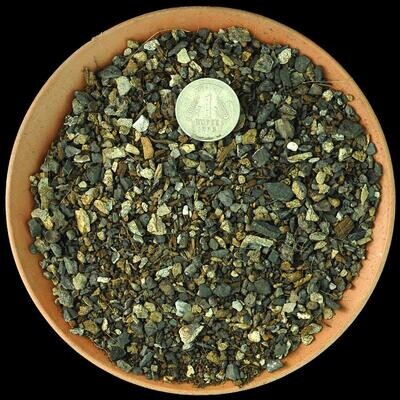
FORTIFIED Cactus & Succulent SOIL (COARSE)
FORTIFIED Cactus & Succulent SOIL (COARSE)
SKU MNS004
5.0
(11)
₹54.85
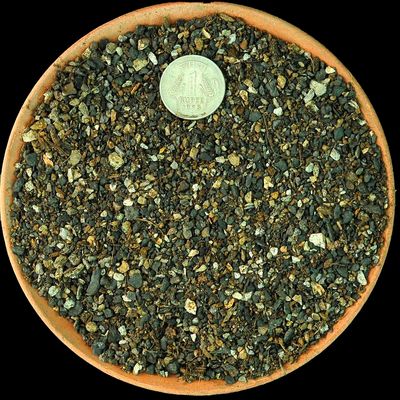
FORTIFIED Cactus & Succulent SOIL (FINE)
FORTIFIED Cactus & Succulent SOIL (FINE)
SKU MNS002
5.0
(4)
₹49.85
New

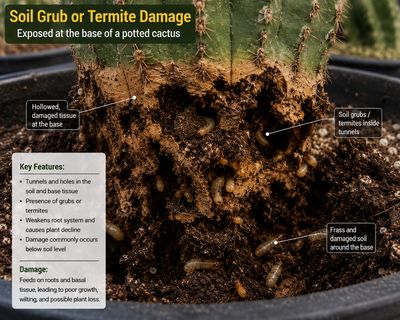
Monsoon Guardian Kit (5 in 1)
Monsoon Guardian Kit (5 in 1)
Complete 5-in-1 biological protection kit for cacti & succulents
SKU MNS024
₹850.00
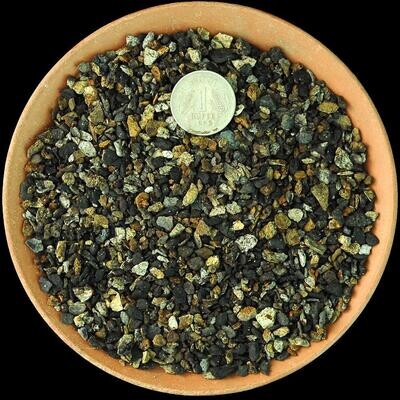
Cactus & Succulent Planting Mix COARSE (aka Cactus Soil Mix or Succulent Soil Mix)
Cactus & Succulent Planting Mix COARSE (aka Cactus Soil Mix or Succulent Soil Mix)
Washed, Free-Draining Mineral Mix for Cactus & Succulents
SKU MNS003
5.0
(1)
₹44.85
Display prices in:INR
