
Categories
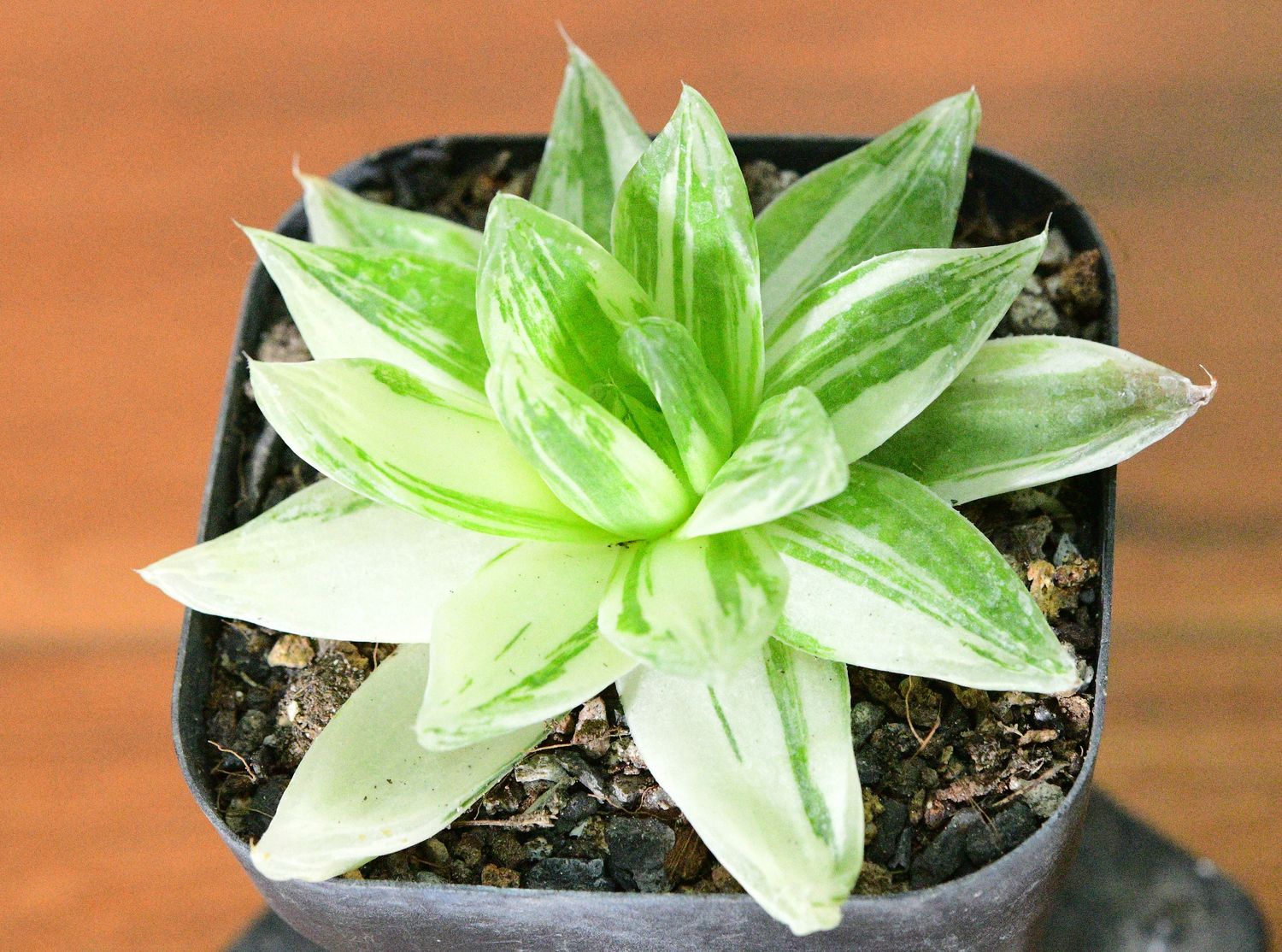
Haworthia cymbiformis variegated
5.0
1 review
Reviews from verified customers who have purchased products at this store.
SKU HH105
₹350.00
In stock: 1 available
1
Save this product for later
Customer reviews
Reviews only from verified customers
Reviews are only accepted from verified customers who have signed in and purchased the products. This ensures that each review is based on genuine customer experiences. All reviews are checked before publication to prevent spam.
Pranay P.
Mumbai,
India
Sun, March 29, 2026
Haworthia cymbiformis variegated
Product Details
Haworthia cymbiformis variegated
1. Origin of Name:
The genus Haworthia is named in honor of the British botanist Alan Henderson Haworth, who first classified the genus in the 19th century. The species cymbiformis derives from Latin, meaning "boat-shaped," which describes the distinctive shape of its succulent leaves that resemble small boats or shells. The variegated cultivar features striking patches and stripes of lighter colors, adding a captivating visual dimension. This cultivar’s name highlights its unique variegation pattern, making it a prized ornamental succulent that combines botanical history with vibrant aesthetics.
2. Origin of Plant:
Haworthia cymbiformis is native to the arid, rocky landscapes of South Africa, where it has adapted to survive in harsh, sun-drenched environments with minimal water. Its natural habitat consists of rugged cliffs and stone outcrops, exhibiting resilience and drought tolerance. The variegated variety has been selectively propagated in cultivation to emphasize its stunning white, cream, and pale green patches, resulting in a highly collectible and decorative plant that originates from these resilient wild ancestors.
3. Description:
This small, rosette-forming succulent boasts thick, fleshy, boat-shaped leaves that grow in dense clusters. The leaves are typically pale green with beautiful variegation—irregular patches or streaks of creamy white, pale yellow, or light green—creating a striking mosaic pattern. The plant reaches about 3-6 inches in height and width and sometimes produces small, tubular white flowers on slender stalks during the blooming season. Its unique leaf shape and variegation make it a standout in any succulent collection or as a tabletop decor piece, offering an elegant blend of form and color.
4. Conservation Status:
As a cultivated and propagated variety, Haworthia cymbiformis variegated is not considered threatened or endangered. Its popularity in home gardening and ornamental cultivation supports responsible propagation practices, ensuring the continued availability of this captivating plant. Wild populations in South Africa are protected by conservation efforts focused on habitat preservation.
5. Care:
- Watering: Water sparingly, allowing the soil to dry out completely between watering. Overwatering can cause root rot—less is more with succulents!
- Soil: Use a well-draining cactus or succulent mix, enhanced with coarse sand or perlite for optimal drainage.
- Light: Prefers bright, indirect sunlight. It can tolerate some direct morning or evening sun, which enhances variegation, but avoid harsh midday rays to prevent leaf scorch.
- Temperature: Best grown in warm conditions between 60°F and 80°F (16°C to 27°C). Protect from frost—bring indoors or provide warmth during colder months.
- Additional Tips: Fertilize once during the growing season with a diluted succulent fertilizer. Minimal watering and proper light will keep its variegated leaves vibrant and healthy. Its compact form makes it an ideal addition to small pots, terrariums, or as a stylish desk plant.
You May Also Like
New
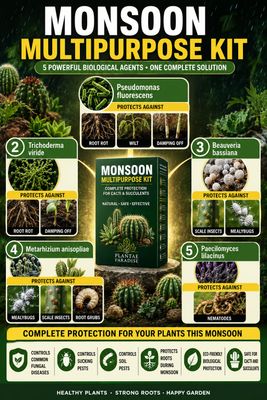
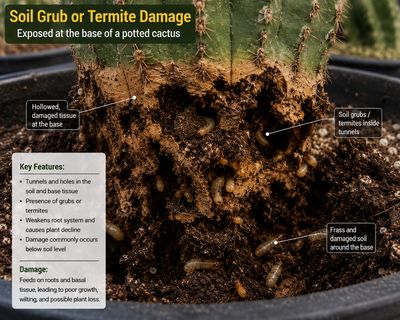
Monsoon Guardian Kit (5 in 1)
Monsoon Guardian Kit (5 in 1)
Complete 5-in-1 biological protection kit for cacti & succulents
SKU MNS024
₹850.00
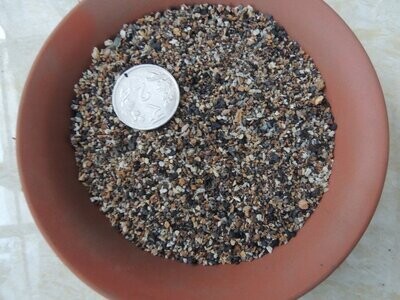
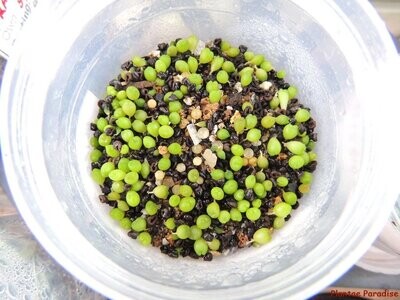
Cactus Seed Planting Mix
Cactus Seed Planting Mix
Sterile, Fine-Grain Media for Cactus & Succulent Seeds
SKU MNS005
₹74.85
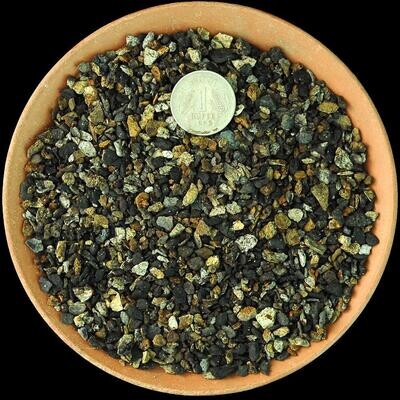
Cactus & Succulent Planting Mix COARSE (aka Cactus Soil Mix or Succulent Soil Mix)
Cactus & Succulent Planting Mix COARSE (aka Cactus Soil Mix or Succulent Soil Mix)
Washed, Free-Draining Mineral Mix for Cactus & Succulents
SKU MNS003
5.0
(1)
₹44.85
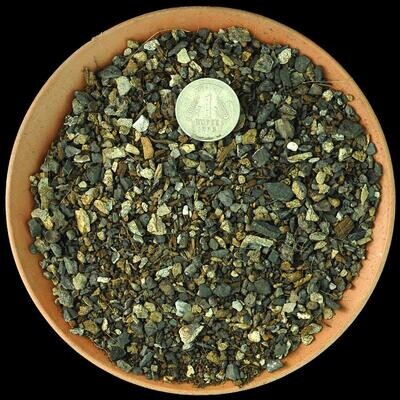
FORTIFIED Cactus & Succulent SOIL (COARSE)
FORTIFIED Cactus & Succulent SOIL (COARSE)
SKU MNS004
5.0
(11)
₹54.85
Display prices in:INR
