
Categories
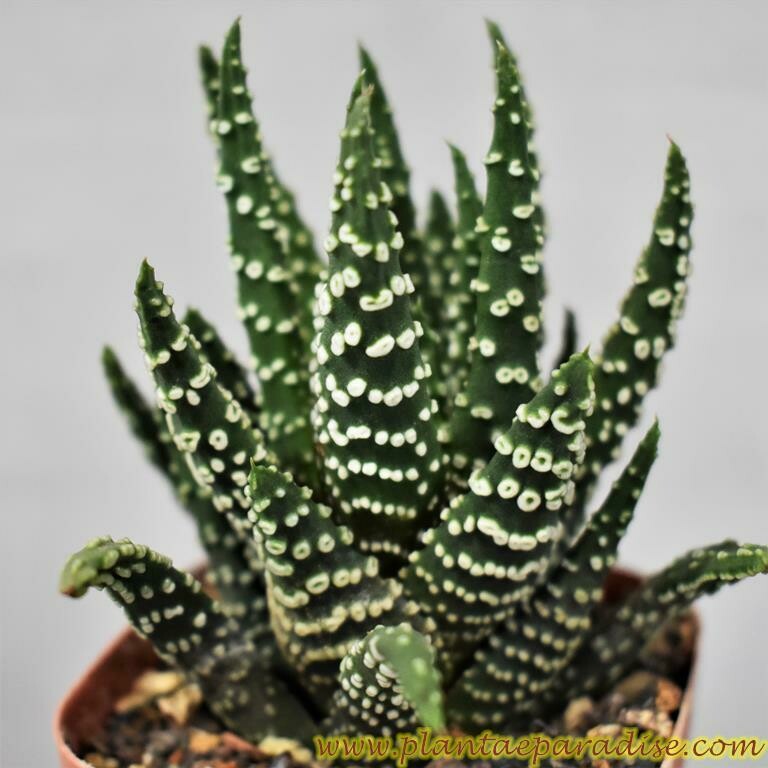
Haworthia pumila "Little Donuts"
SKU HH082
₹430.00
In stock: 1 available
1
Save this product for later
Customer reviews
Reviews only from verified customers
No reviews yet. You can buy this product and be the first to leave a review.
Haworthia pumila "Little Donuts"
Product Details
Also called 'Little Circle"
The spots are developed into round dots with a center. looks very showy.
1. Origin of Name:
The name "Haworthia" honors Adrian Hardy Haworth (1767–1833), an English botanist and entomologist who specialized in succulents and cacti. The genus was named in his honor in 1804, reflecting his contributions to botanical sciences. "Pumila" derives from Latin, meaning "dwarf" or "little," aptly describing the plant’s small size. The common nicknames "Little Donuts" or "little circles" emerged because of the plant’s unique, spots or white wart-like projections that resemble tiny donuts or circular ornaments. Historically, the plant has also been referred to by synonyms such as Haworthia truncata var. pumila, reflecting its classification variations over time.
2. Origin of Plant:
Haworthia pumila is native to South Africa, specifically in the arid regions of the Cape Province. It thrives in rocky, well-drained soils, characterized by minimal rainfall and intense sunlight. Discovered in the late 18th or early 19th century during explorations of South Africa’s flora, it became a favorite among botanists for its resilience and distinctive look. Its natural habitat's rugged terrain shaped its compact, hardy growth form, making it well-adapted to drought and high temperatures.
3. Description:
Haworthia pumila is a diminutive succulent that typically grows in spreads of rosettes, with each rosette measuring just a few centimeters across. The leaves are thick, fleshy, and arranged in a compact, basal formation. What sets this plant apart are the tiny, white, wart-like tubercles or knobs that adorn the upper surface of the leaves, giving it a textured, stippled appearance that resembles miniature donuts or circles.
4. Conservation Status:
Haworthia pumila is currently classified as a species of least concern; it is relatively common within its native range and widely cultivated worldwide. However, habitat destruction and overcollection in the wild pose potential threats, emphasizing the importance of sustainable cultivation and conservation efforts. Responsible sourcing and propagation contribute to preserving this beautifully unique succulent.
5. Care:
- Lighting: Prefers bright, indirect sunlight; can tolerate some direct morning sun but should be protected from intense afternoon rays.
- Watering: Water sparingly, allowing soil to dry out completely between waterings. Reduce watering in winter.
- Soil: Well-draining cactus or succulent mix, with added sand or pumice for extra drainage.
- Temperature: Thrive in warm temperatures ranging from 65°F to 80°F (18°C to 27°C). Protect from frost.
- Additional Tips: Avoid overwatering to prevent root rot. Fertilize with a diluted cactus fertilizer during the growing season for optimal health.
6. Interesting Anecdote:
Legend has it that early botanical explorers in South Africa used Haworthia pumila as a natural "drought indicator," observing that its enlarged, white knobs became even more prominent during dry spells. Its resilience in harsh environments has inspired many succulent enthusiasts to cultivate it as a symbol of perseverance and adaptability in challenging conditions.
Let Haworthia pumila bring a touch of the wild, rugged beauty of South Africa into your collection with its adorable "Little Donuts" charm!
You May Also Like
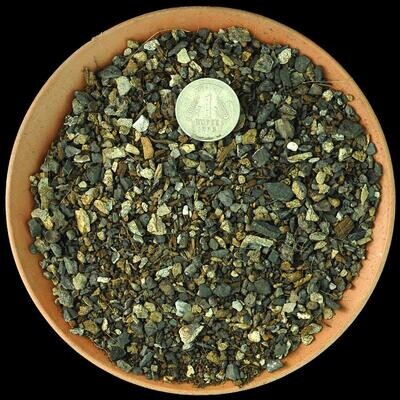
FORTIFIED Cactus & Succulent SOIL (COARSE)
FORTIFIED Cactus & Succulent SOIL (COARSE)
SKU MNS004
5.0
(11)
₹54.85
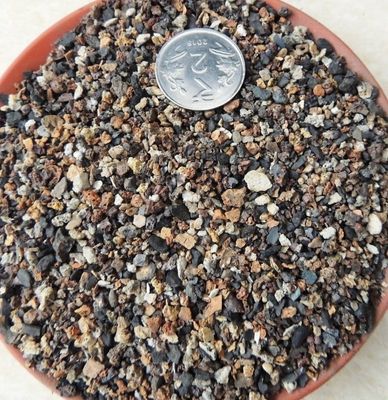
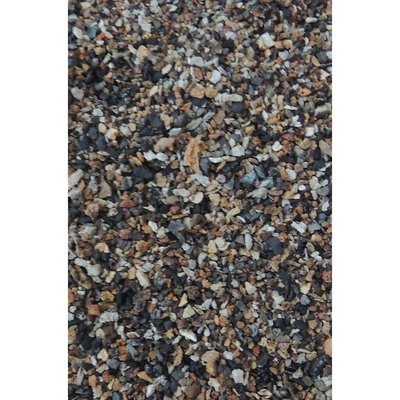
Cactus & Succulent Planting Mix FINE (aka Cactus Soil Mix or Succulent Soil Mix)
Cactus & Succulent Planting Mix FINE (aka Cactus Soil Mix or Succulent Soil Mix)
Fine-Grain Potting Mix for Cactus & Succulent Roots
SKU MNS001
5.0
(3)
₹39.85
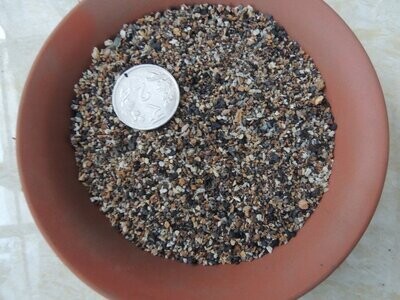
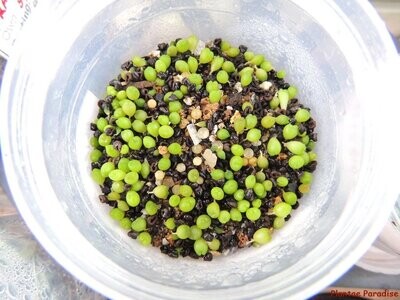
Cactus Seed Planting Mix
Cactus Seed Planting Mix
Sterile, Fine-Grain Media for Cactus & Succulent Seeds
SKU MNS005
₹74.85
New
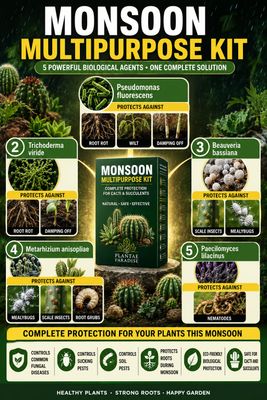
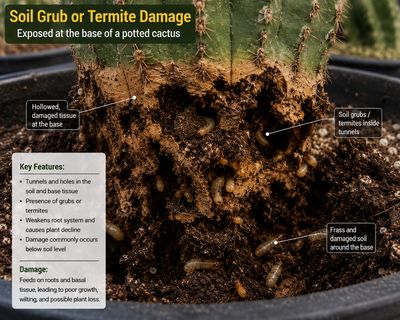
Monsoon Guardian Kit (5 in 1)
Monsoon Guardian Kit (5 in 1)
Complete 5-in-1 biological protection kit for cacti & succulents
SKU MNS024
₹850.00
Display prices in:INR
