
Categories
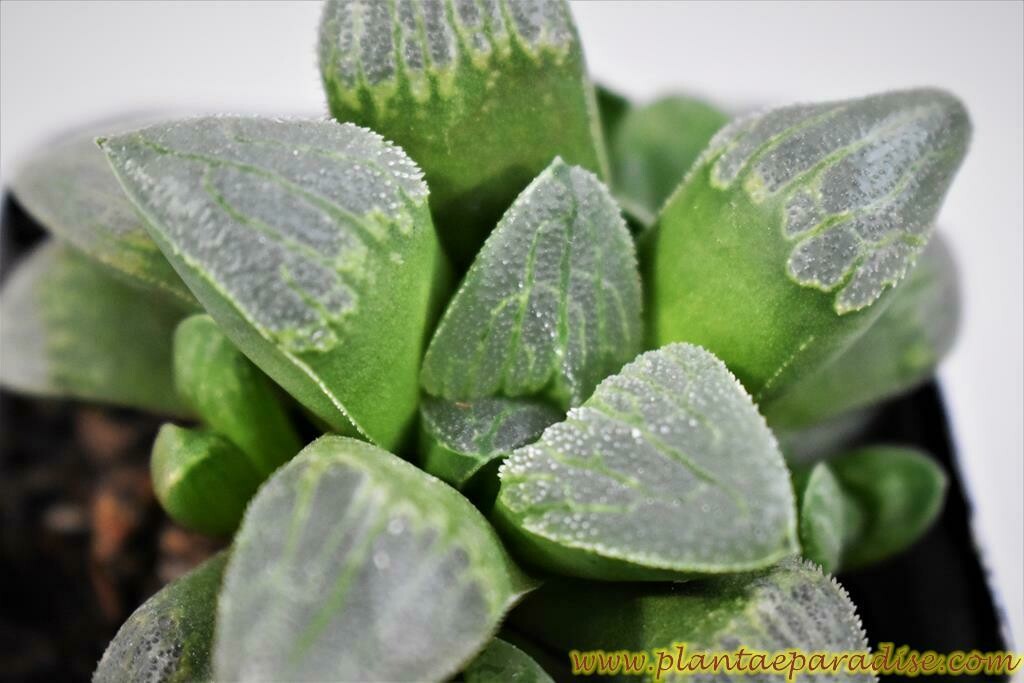
Haworthia pygmaea
5.0
1 review
Reviews from verified customers who have purchased products at this store.
SKU HH060
₹400.00
Sold out
Sold out
Save this product for later
Customer reviews
Reviews only from verified customers
Reviews are only accepted from verified customers who have signed in and purchased the products. This ensures that each review is based on genuine customer experiences. All reviews are checked before publication to prevent spam.
Ankit A.
Ghaziabad,
India
Fri, March 27, 2026
Haworthia pygmaea
Product Details
Haworthia pygmaea is a small, delicate succulent admired for its miniature size and intricate, textured foliage. Its fine details and compact form make it a charming addition to any succulent collection.
1. Origin of Name:
The genus "Haworthia" commemorates Adrian Hardy Haworth (1767–1833), an influential English botanist and entomologist known for his work on succulents and cacti. The species name "pygmaea" originates from Latin, meaning "dwarf" or "pygmy," highlighting its tiny, diminutive stature. This name reflects the plant’s incredibly small size and delicate appearance. Commonly called "Pygmy Haworthia," it is cherished for its tiny rosettes and fine, textured leaves that resemble miniature works of art, embodying the essence of diminutive beauty in the succulent world.
2. Origin of Plant:
Haworthia pygmaea is native to South Africa, particularly in the Western Cape and Eastern Cape regions. It naturally grows in rocky, arid environments along cliffs, slopes, and crevices, where its small size helps it blend into the rocky terrain and conserve moisture. Discovered during early 19th-century botanical explorations, it has adapted to thrive in extreme drought conditions, which is reflected in its tiny, resilient form. Its habitat’s rocky and sparse vegetation influences its miniature stature and its ability to survive in harsh, sun-exposed environments.
3. Description:
Haworthia pygmaea is renowned for its tiny, densely packed rosettes of fleshy, green leaves that form a miniature mound. The leaves are short, slender, and often exhibit fine surface textures or tiny ridges, giving the plant a delicate appearance. The rosettes typically measure just a few centimeters across, making it one of the smallest Haworthia species. Its transparency "windows" may be subtle or absent, but the plant’s overall appeal lies in its minute size and intricate, dainty form. During flowering, it produces small, white, tubular flowers on thin stalks, but its main attraction remains its tiny, exquisite foliage.
4. Conservation Status:
Haworthia pygmaea is cultivated and available through nurseries, and it is not considered threatened. Its popularity in small-scale arrangements and miniature gardens helps preserve its status. As with all native succulents, responsible cultivation and avoiding overharvesting from the wild are essential to ensure its continued survival and the preservation of its natural habitat.
5. Care:
- Lighting: Prefers bright, indirect sunlight; can tolerate some direct morning sun but should be protected from harsh afternoon rays.
- Watering: Water sparingly, allowing the soil to dry out completely between watering. Reduce watering in winter.
- Soil: Use well-draining cactus or succulent soil, with added coarse sand or pumice to prevent excess moisture.
- Temperature: Thrives in warm temperatures between 60°F and 80°F (15°C to 27°C); frost-sensitive—bring indoors or provide frost protection in colder climates.
- Additional Tips: Overwatering can quickly cause root rot; ensure excellent drainage and water sparingly. Fertilize lightly during the growing season with a diluted cactus fertilizer.
6. Interesting Anecdote:
Collectors often admire Haworthia pygmaea as a symbol of tiny resilience, with some describing it as the “Doll’s House Plant” due to its miniature size. Native South Africans believed that its small, compact form represented patience and humility, thriving quietly in rugged, rocky landscapes where larger plants could not survive. Its tiny, intricate leaves have inspired miniature garden designs and jewelry, symbolizing delicate strength and natural artistry—an enduring testament to nature's ability to craft beauty in the smallest of forms.
Add Haworthia pygmaea to your collection and enjoy the charm of one of the tiniest, most delicate succulents in the world!
You May Also Like
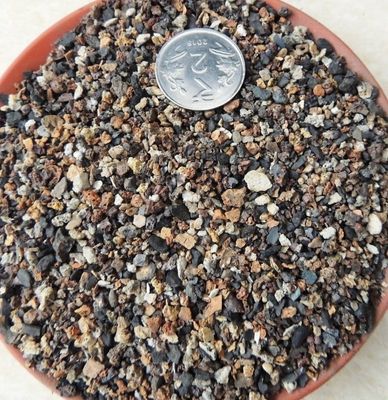
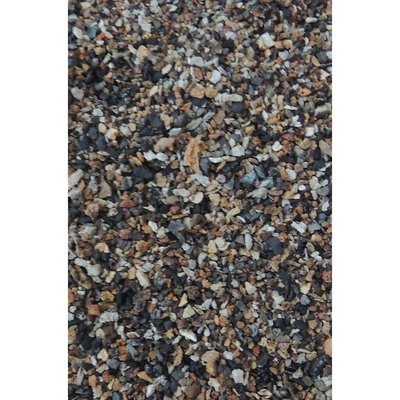
Cactus & Succulent Planting Mix FINE (aka Cactus Soil Mix or Succulent Soil Mix)
Cactus & Succulent Planting Mix FINE (aka Cactus Soil Mix or Succulent Soil Mix)
Fine-Grain Potting Mix for Cactus & Succulent Roots
SKU MNS001
5.0
(3)
₹39.85
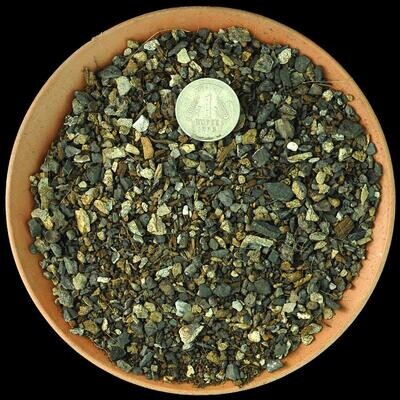
FORTIFIED Cactus & Succulent SOIL (COARSE)
FORTIFIED Cactus & Succulent SOIL (COARSE)
SKU MNS004
5.0
(12)
₹54.85
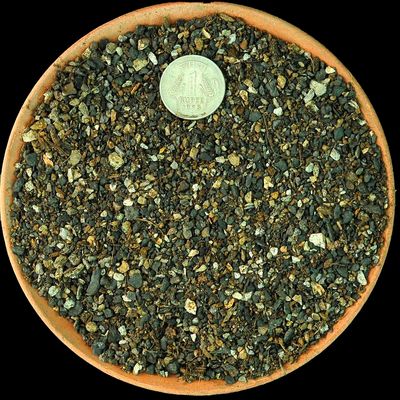
FORTIFIED Cactus & Succulent SOIL (FINE)
FORTIFIED Cactus & Succulent SOIL (FINE)
SKU MNS002
5.0
(4)
₹49.85
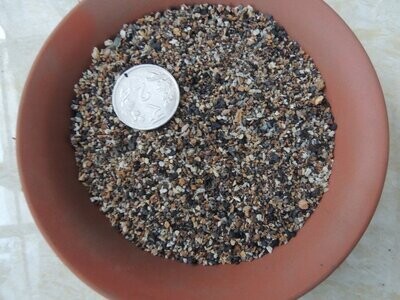
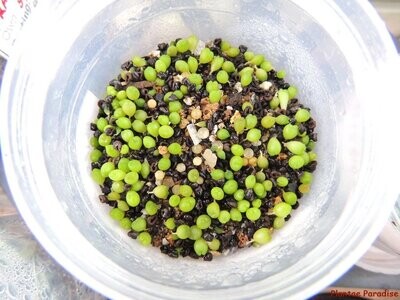
Cactus Seed Planting Mix
Cactus Seed Planting Mix
Sterile, Fine-Grain Media for Cactus & Succulent Seeds
SKU MNS005
₹74.85
Display prices in:INR
