
Categories
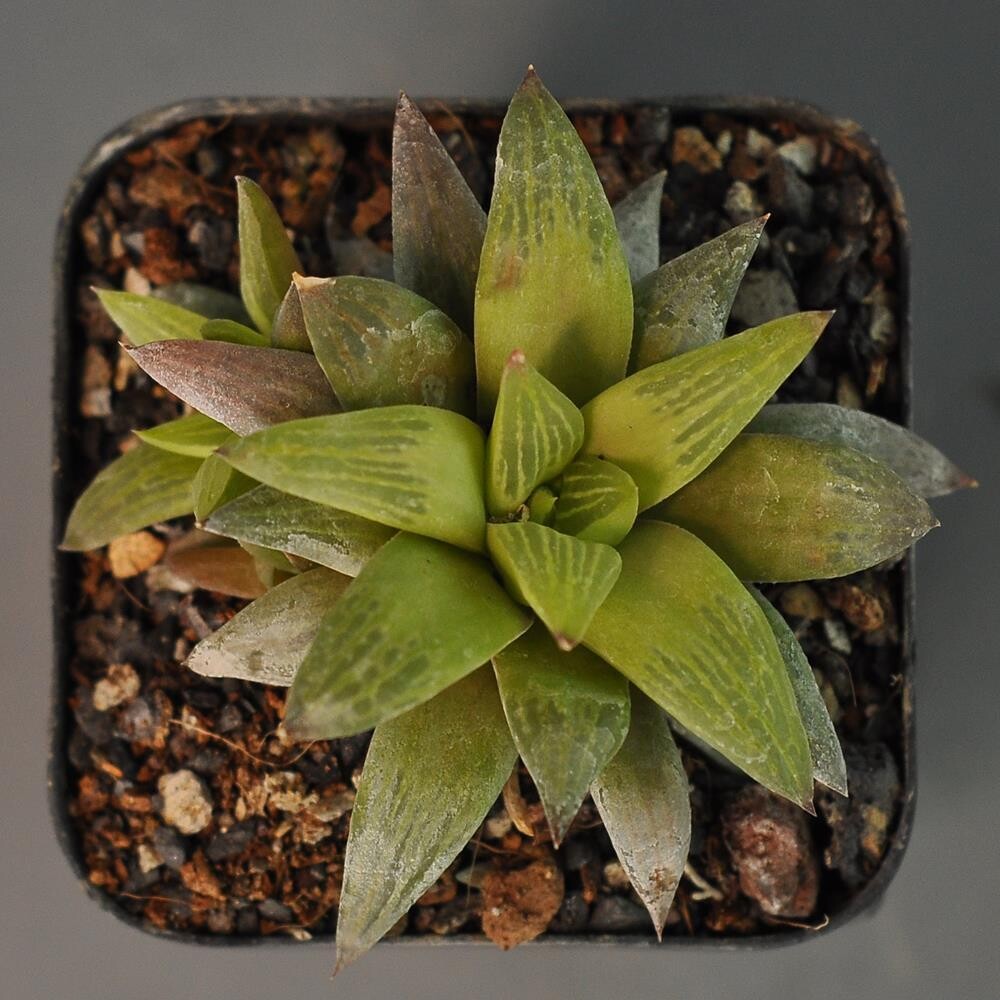
Haworthia retusa geraldi
5.0
1 review
Reviews from verified customers who have purchased products at this store.
SKU HH039
₹150.00
Sold out
Broad geometric leaves with prominent translucent windows
Sold out
Save this product for later
Customer reviews
Reviews only from verified customers
Reviews are only accepted from verified customers who have signed in and purchased the products. This ensures that each review is based on genuine customer experiences. All reviews are checked before publication to prevent spam.
Ankit A.
Ghaziabad,
India
Fri, March 27, 2026
Haworthia retusa geraldi
Product Details
Haworthia retusa var. geraldi is a captivating succulent celebrated for its distinctive, geometric leaf shape and transparent "windows." Its architectural form and intricate details make it a prized addition to any succulent collection.
1. Origin of Name:
The genus "Haworthia" honors Adrian Hardy Haworth (1767–1833), a renowned English botanist recognized for his foundational work on succulents and cacti. The species name "retusa" derives from Latin, meaning "notched" or "serrated," referring to the characteristic leaf margins. The variety name "geraldi" honors Gerald D. H. Geraldi, a notable botanist and collector who contributed to the study of South African succulents. Together, "Haworthia retusa geraldi" highlights this variety’s unique, geometric leaf shape with clear, translucent windows and its particular regional or collector-based origin. Its name underscores its distinctive, architectural appearance.
2. Origin of Plant:
Haworthia retusa geraldi is native to South Africa, specifically in rocky, arid regions along cliffs and slopes in the Western Cape. It naturally grows in crevices and rocky outcrops where water drains quickly and sunlight is intense. Discovered in early 20th-century botanical explorations, it has adapted to survive in extreme, drought-prone environments. Its natural rocky habitat influences its low, compact rosette form and the prominent translucent windows at the leaf tips, which help maximize light intake while conserving moisture.
3. Description:
This variety features broad, wedge-shaped leaves that are flattened and slightly notched or serrated along the edges. The leaves are thick, fleshy, and often display translucent "windows" at the tips, allowing sunlight to penetrate into the interior for photosynthesis. The margins of the leaf are typically serrated or scalloped, adding visual interest. The plant’s overall form resembles a miniature, geometric sculpture or architectural model, with its flat, angular leaves tightly arranged in a low, compact rosette. During flowering, it produces small white or pale pink, tubular flowers on slender stalks.
4. Conservation Status:
As a cultivated species, Haworthia retusa geraldi is widely propagated and readily available in nurseries worldwide. Its popularity in cultivation and responsible propagation help protect wild populations in South Africa. It is not presently considered threatened, emphasizing the importance of sustainable and ethical sourcing to preserve its natural habitat.
5. Care:
- Lighting: Bright, indirect sunlight; can tolerate some direct morning sun but should be shielded from harsh afternoon rays.
- Watering: Water sparingly, allowing the soil to dry completely between waterings. Reduce watering during winter dormancy.
- Soil: Use a well-draining cactus or succulent soil with coarse sand, pumice, or perlite.
- Temperature: Prefers warm temperatures between 65°F and 80°F (18°C to 27°C); protect from frost—bring indoors or provide frost protection in colder climates.
- Additional Tips: Proper drainage and minimal watering prevent root rot. Fertilize lightly during active growth with a diluted succulent fertilizer.
6. Interesting Anecdote:
Native South Africans regard Haworthia retusa geraldi as a stone or carved gem due to its geometric, sculptural form and translucent "windows." Many believe it symbolizes clarity, protection, and resilience—surviving harsh desert conditions with quiet strength. Its architectural beauty has inspired artisans and designers, often used as a living sculpture or miniature architectural model, symbolizing how nature’s artistry can blend strength with delicate beauty.
Add the elegant, sculptural appeal of Haworthia retusa geraldi to your collection and enjoy a miniature work of natural art—an enduring symbol of resilience and geometric perfection!
You May Also Like
New
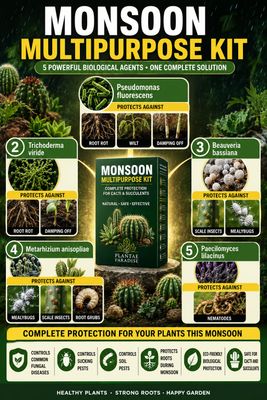
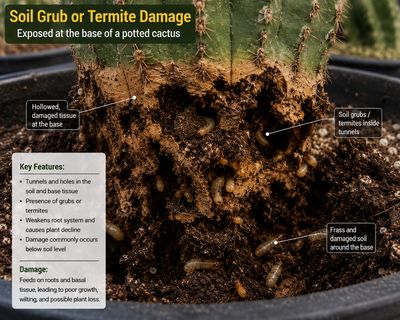
Monsoon Guardian Kit (5 in 1)
Monsoon Guardian Kit (5 in 1)
Complete 5-in-1 biological protection kit for cacti & succulents
SKU MNS024
₹850.00
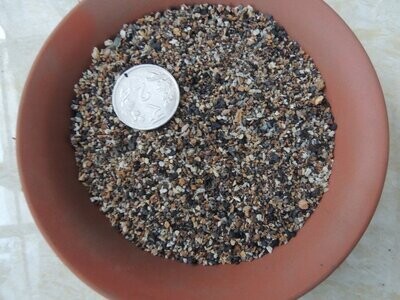
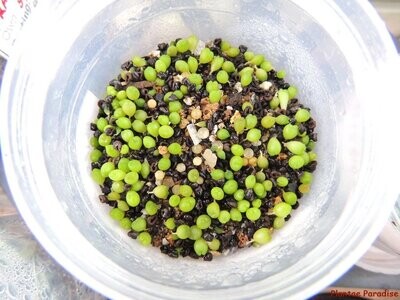
Cactus Seed Planting Mix
Cactus Seed Planting Mix
Sterile, Fine-Grain Media for Cactus & Succulent Seeds
SKU MNS005
₹74.85

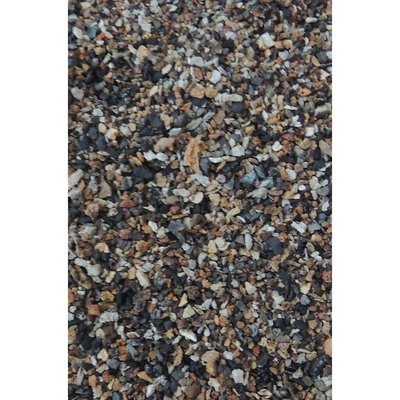
Cactus & Succulent Planting Mix FINE (aka Cactus Soil Mix or Succulent Soil Mix)
Cactus & Succulent Planting Mix FINE (aka Cactus Soil Mix or Succulent Soil Mix)
Fine-Grain Potting Mix for Cactus & Succulent Roots
SKU MNS001
5.0
(3)
₹39.85
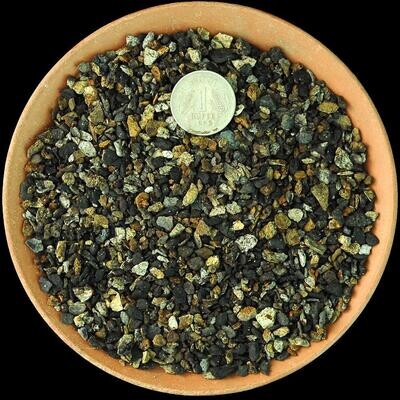
Cactus & Succulent Planting Mix COARSE (aka Cactus Soil Mix or Succulent Soil Mix)
Cactus & Succulent Planting Mix COARSE (aka Cactus Soil Mix or Succulent Soil Mix)
Washed, Free-Draining Mineral Mix for Cactus & Succulents
SKU MNS003
5.0
(1)
₹44.85
Display prices in:INR
