
Categories
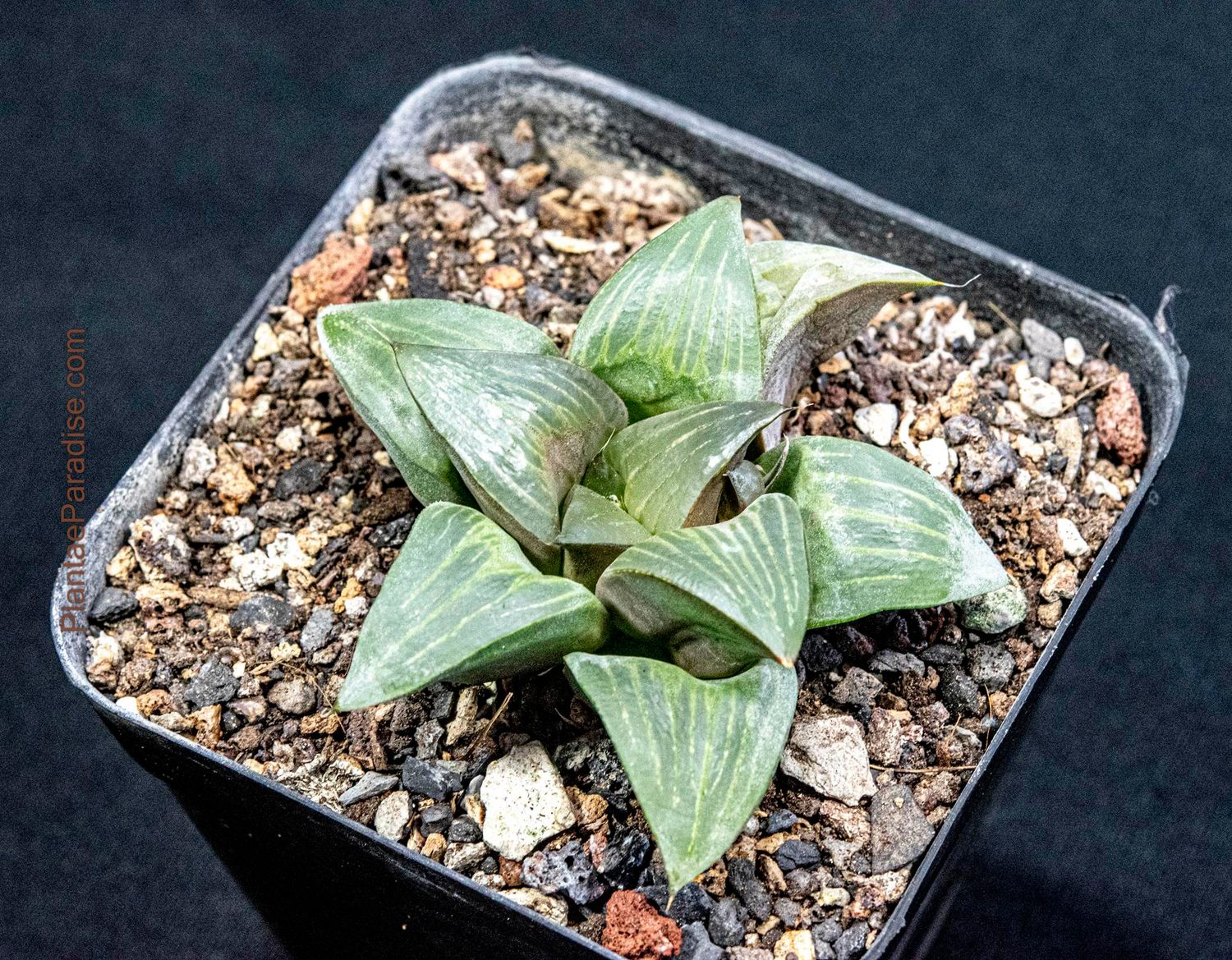
Haworthia retusa
SKU HH188
₹400.00
Sold out
Sold out
Save this product for later
Customer reviews
Reviews only from verified customers
No reviews yet. You can buy this product and be the first to leave a review.
Haworthia retusa
Product Details
Origin of Name
The name "Haworthia retusa" stems from the plant's distinctive features and botanical history. The genus 'Haworthia' is named in honor of Adrian Hardy Haworth, a renowned British botanist and entomologist. The species name 'retusa' comes from Latin, meaning 'blunt' or 'rounded', describing the characteristic shape of the plant's leaves which have a distinctively truncated, or retuse, tip.
Technical Description of Plant
Haworthia retusa is a small, rosette-forming succulent known for its striking and distinctive leaf formation. The rosettes are compact, growing up to 4 inches in diameter. The leaves are thick, fleshy, and translucent at the tips, allowing sunlight to penetrate through. They are a vibrant green color, often with a glassy or crystalline appearance, particularly at the rounded tips. The leaves are arranged in a spiral pattern, creating a star-like shape when viewed from above. Haworthia retusa rarely blooms, but when it does, the flowers are small, white, and grow on a slender, elongated stem.
Origin of Plant
Haworthia retusa is native to the Western Cape Province of South Africa. It naturally grows in rocky areas and is often found in the shade of other vegetation or rocks, which helps protect it from the intense African sun. Its unique leaf structure is an adaptation to these semi-arid environments, allowing for efficient light capture and water conservation.
Conservation Status
As of the latest information, Haworthia retusa is not listed as an endangered species. However, the growing popularity of succulents in the horticultural trade necessitates responsible cultivation and propagation to ensure sustainability and reduce pressure on natural populations.
Care Instructions
Haworthia retusa thrives in bright, indirect light but can tolerate partial shade. Direct sunlight should be limited to avoid scorching the leaves. This plant prefers a well-draining soil mix, typical for succulents. Water moderately during the growing season, allowing the soil to dry out completely between waterings, and reduce watering in the winter. Haworthia retusa is not frost-tolerant and should be protected from cold temperatures. Fertilization is not essential but can be done sparingly with a diluted succulent fertilizer during the growing season.
You May Also Like


Cactus Seed Planting Mix
Cactus Seed Planting Mix
Sterile, Fine-Grain Media for Cactus & Succulent Seeds
SKU MNS005
₹74.85
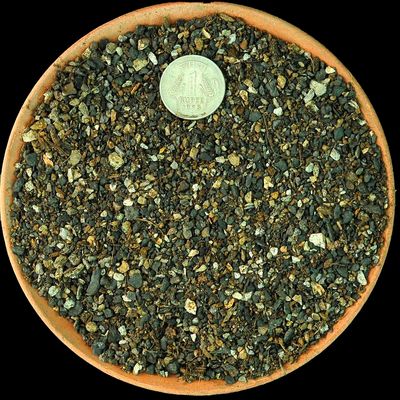
FORTIFIED Cactus & Succulent SOIL (FINE)
FORTIFIED Cactus & Succulent SOIL (FINE)
SKU MNS002
5.0
(4)
₹49.85

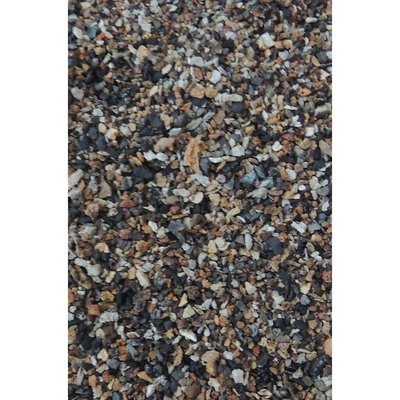
Cactus & Succulent Planting Mix FINE (aka Cactus Soil Mix or Succulent Soil Mix)
Cactus & Succulent Planting Mix FINE (aka Cactus Soil Mix or Succulent Soil Mix)
Fine-Grain Potting Mix for Cactus & Succulent Roots
SKU MNS001
5.0
(3)
₹39.85
New


Monsoon Guardian Kit (5 in 1)
Monsoon Guardian Kit (5 in 1)
Complete 5-in-1 biological protection kit for cacti & succulents
SKU MNS024
₹850.00
Display prices in:INR
