
Categories
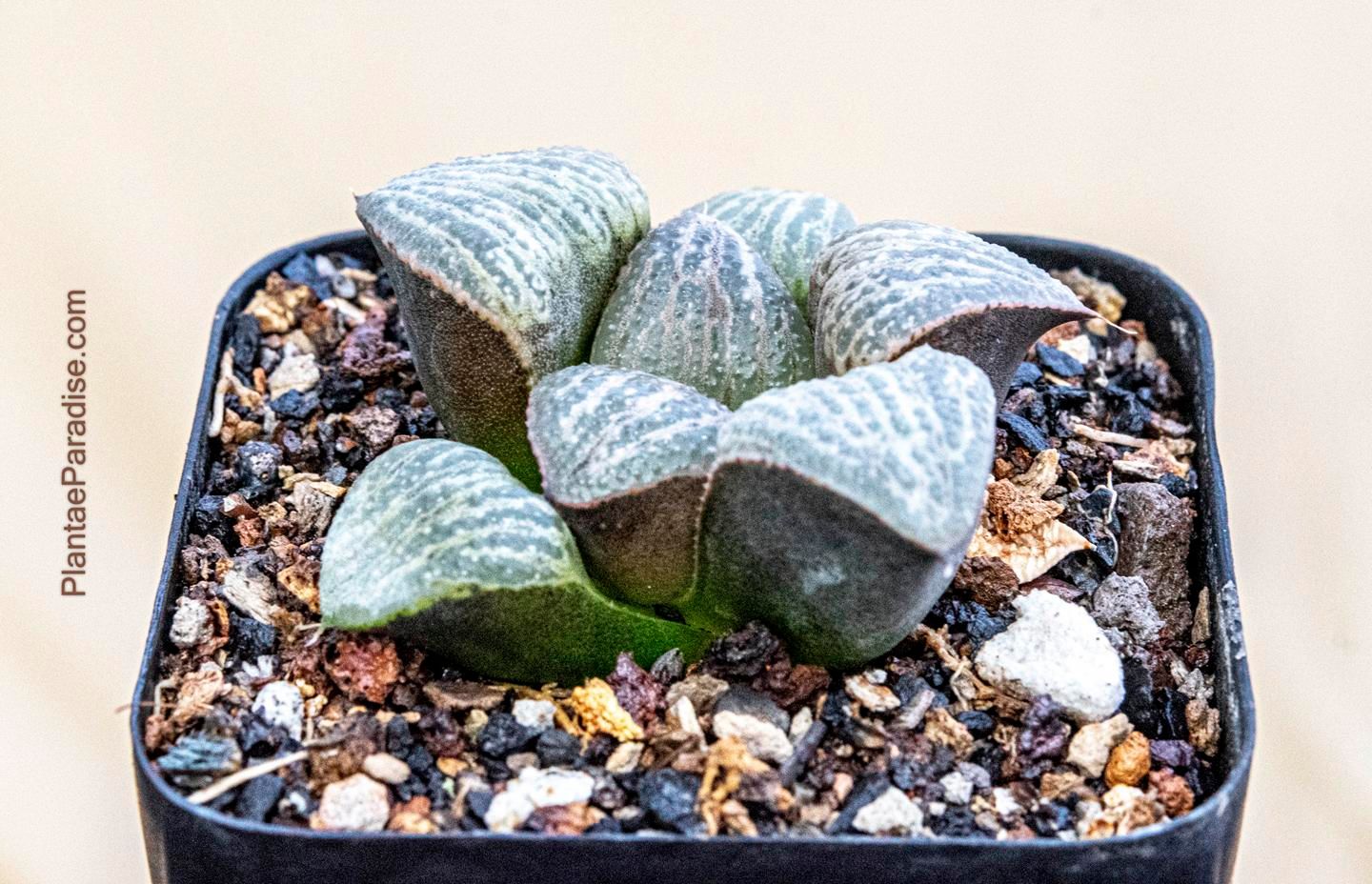
Haworthia splendens
SKU HH024
₹600.00
Sold out
Sold out
Save this product for later
Customer reviews
Reviews only from verified customers
No reviews yet. You can buy this product and be the first to leave a review.
Haworthia splendens
Product Details
Exquisite Haworthia splendens features rosettes of textured, fleshy leaves covered with tubercles and white spines, perfect for small pots and modern succulent collections,
- Origin of Name The genus name Haworthia honors Adrian Hardy Haworth an English botanist renowned for his work with succulents The species name splendens means 'shining' or 'bright' in Latin referring to the plant's attractive, textured surface that catches the light The plant was first described from South African specimens and is renowned for its striking appearance The name highlights its ornamental brilliance and unique textured foliage that reflects sunlight beautifully
- Origin of Plant Haworthia splendens is native to South Africa particularly in the Western and Northern Cape regions Where it grows in rocky, arid environments on shale slopes and in crevices Its adaptation to extreme drought and rocky soil has made it a popular species among succulent collectors It was documented during early botanical explorations of South Africa in the 19th century and has since become valued for its distinctive textured tubercles and spiny appearance
- Description Haworthia splendens forms compact rosettes of thick, fleshy leaves that are covered with small tubercles and covered in fine, white, spine-like projections The surface is rough and textured giving it a star-like appearance When mature it produces short flowering stalks bearing small, tubular white flowers in spring The leaves are usually green but can develop reddish or brownish hues under bright light The plant's textured, spiny surface and symmetrical rosette form make it a striking ornamental succulent suitable for tabletops and miniature landscapes
- Conservation Status Haworthia splendens is not currently listed as threatened but due to habitat loss and over-collection efforts are encouraged to purchase nursery-propagated plants to help conserve wild populations Responsible cultivation and propagation through nurseries are recommended to protect wild habitats
- Care Light Bright, indirect sunlight or filtered morning sun enhances the plant's textured appearance and color intensity Water Allow the soil to dry thoroughly between waterings and reduce watering in winter to prevent root rot Use a fast-draining cactus or succulent mix with added gravel or pumice to ensure proper drainage Keep in warm conditions from 65-85°F 18-29°C and protect from frost Fertilize lightly during the growing season using a diluted cactus fertilizer and re-pot every 2-3 years when crowded Propagation Mainly through offsets or by dividing mature plants, which root readily in well-drained soil
- Interesting Anecdote Haworthia splendens's textured, spiny surface mimics the rocky terrain of its native habitat and acts as protection from harsh sun and herbivores Its unique appearance has fascinated botanists and succulent enthusiasts alike for its resilience and ornamental appeal Historically, its star-like tubercles were prized for their visual complexity and tactile interest today it remains a favorite among collectors seeking distinctive, drought-tolerant plants that marry beauty with toughness.
You May Also Like
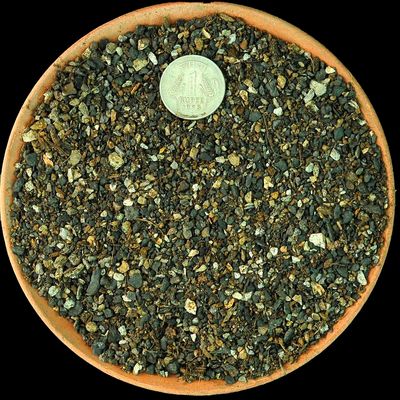
FORTIFIED Cactus & Succulent SOIL (FINE)
FORTIFIED Cactus & Succulent SOIL (FINE)
SKU MNS002
5.0
(4)
₹49.85
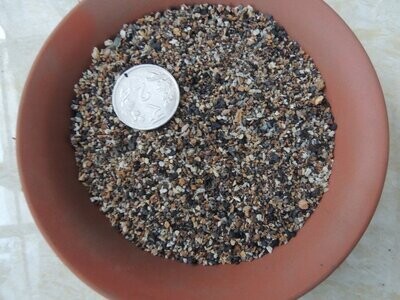
Cactus Seed Planting Mix
Cactus Seed Planting Mix
Sterile, Fine-Grain Media for Cactus & Succulent Seeds
SKU MNS005
₹74.85


Cactus & Succulent Planting Mix FINE (aka Cactus Soil Mix or Succulent Soil Mix)
Cactus & Succulent Planting Mix FINE (aka Cactus Soil Mix or Succulent Soil Mix)
Fine-Grain Potting Mix for Cactus & Succulent Roots
SKU MNS001
5.0
(3)
₹39.85
New


Monsoon Guardian Kit (5 in 1)
Monsoon Guardian Kit (5 in 1)
Complete 5-in-1 biological protection kit for cacti & succulents
SKU MNS024
₹850.00
Display prices in:INR
