
Categories
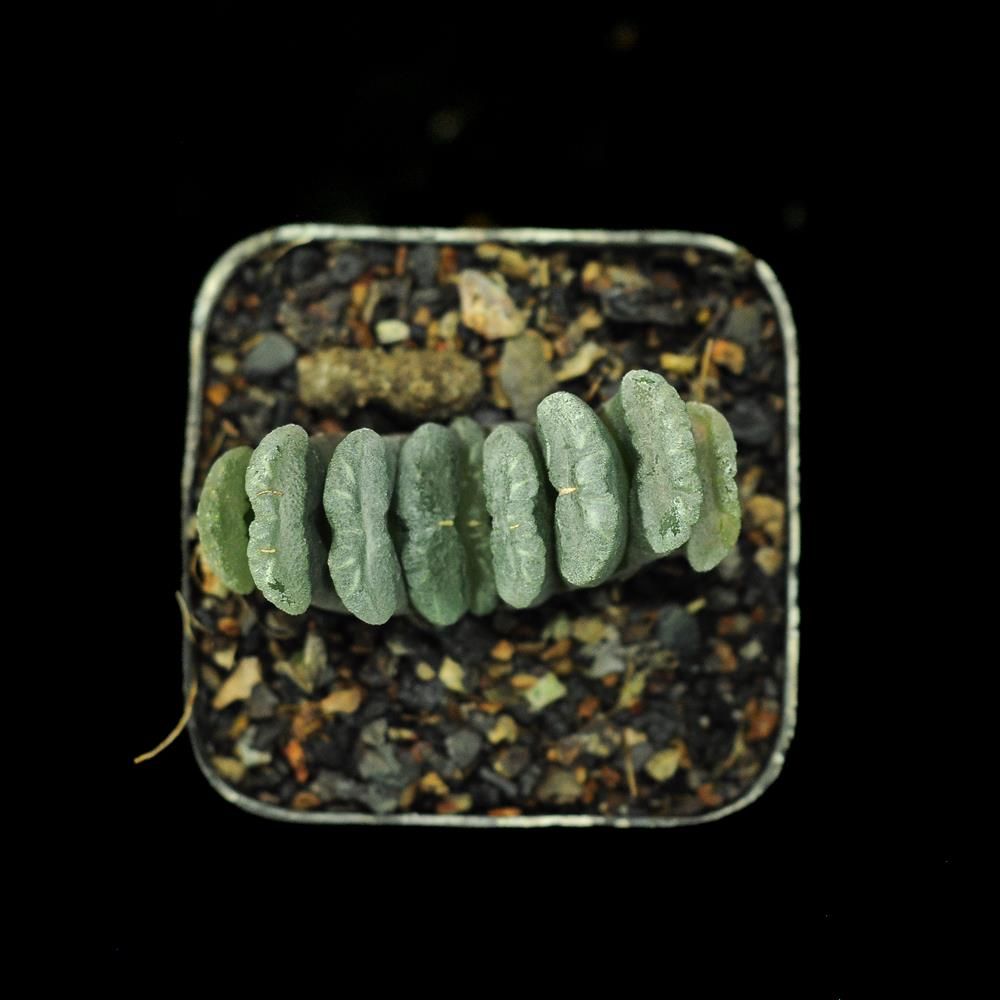
Haworthia truncata (Broad Leaf)
SKU HH044
₹370.00
Sold out
Sold out
Save this product for later
Customer reviews
Reviews only from verified customers
No reviews yet. You can buy this product and be the first to leave a review.
Haworthia truncata (Broad Leaf)
Product Details
Haworthia truncata (Broad Leaf) is a striking succulent distinguished by its widened, flattened, and truncated leaves that create a bold, architectural appearance. Its broad, geometric form makes it a captivating centerpiece for collectors seeking unique desert plants.
1. Origin of Name:
The genus "Haworthia" honors Adrian Hardy Haworth (1767–1833), a renowned English botanist recognized for his pioneering work in classifying succulents and cacti. The species name "truncata" comes from Latin, meaning "cut off" or "truncated," describing the plant’s signature broad, flattened leaf tips that resemble tiny, geometric blocks. The "Broad Leaf" variety highlights the wider, more expansive leaf structure, emphasizing its distinctive, broad, and flattened appearance and its impact as an architectural succulent.
2. Origin of Plant:
Haworthia truncata (Broad Leaf) is native to South Africa, specifically in rocky, arid regions of the Western Cape. It naturally grows on steep cliffs, rocky slopes, and in crevices where its low, broad form provides protection from intense sunlight and drought conditions. Discovered during early botanical explorations, it has adapted to survive in extreme desert environments. Its wide, flattened leaves are well-suited for absorbing sunlight efficiently, while its truncated tips serve as a protective feature in its rugged habitat.
3. Description:
This variety features broad, thick, wedge-shaped leaves that are flattened and truncated at the tips, creating a distinctive, block-like profile. The leaves are a vibrant green, with translucent "windows" near the tips that facilitate sunlight penetration into the plant’s interior—beneficial for photosynthesis in bright environments. The broad, flattened form resembles a series of miniature, geometric puzzle pieces or sculptures, forming a low, sprawling rosette. The plant's bold, architectural shape makes it a striking focal point in any succulent arrangement or desert garden.
4. Conservation Status:
As a cultivated succulent, Haworthia truncata (Broad Leaf) is widely propagated and available worldwide. It is not currently threatened in the wild, with responsible cultivation and commercial propagation helping to protect natural habitats. Its popularity among collectors encourages sustainable practices and ensures its preservation.
5. Care:
- Lighting: Bright, direct sunlight or filtered light; enhances the plant’s vibrant color and architectural form.
- Watering: Water sparingly, allowing the soil to dry completely between waterings; reduce watering during winter to prevent rot.
- Soil: Use a fast-draining cactus or succulent mixture, supplemented with coarse sand or pumice.
- Temperature: Prefers warm conditions between 65°F and 85°F (18°C to 29°C); protect from frost—bring indoors or cover during cold seasons.
- Additional Tips: Proper drainage and minimal watering are essential. Fertilize lightly during the growing season with a diluted cactus fertilizer.
6. Interesting Anecdote:
Many enthusiasts admire Haworthia truncata (Broad Leaf) as a "natural sculpture," appreciating its bold, geometric shape and sculptural appeal. Its wide, truncated leaves are reminiscent of modern architectural elements, inspiring artists and designers to incorporate similar forms into jewelry, decor, and modern art. In South Africa, its rugged, inorganic appearance symbolizes resilience and strength—thriving silently in rocky, harsh landscapes, embodying the quiet power of natural design.
Add the striking, broad-leaved form of Haworthia truncata to your collection and enjoy a piece of natural architecture—an extraordinary sculptural marvel!
You May Also Like
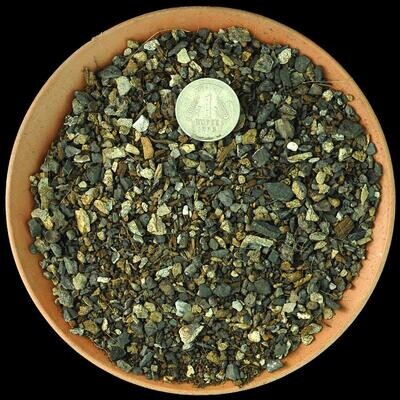
FORTIFIED Cactus & Succulent SOIL (COARSE)
FORTIFIED Cactus & Succulent SOIL (COARSE)
SKU MNS004
5.0
(11)
₹54.85
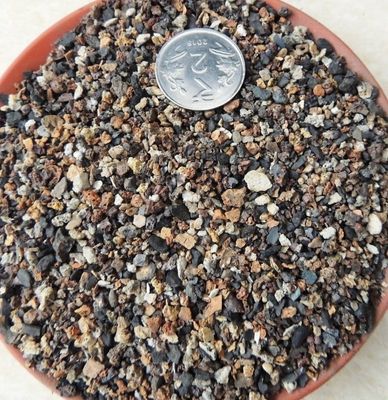
Cactus & Succulent Planting Mix FINE (aka Cactus Soil Mix or Succulent Soil Mix)
Cactus & Succulent Planting Mix FINE (aka Cactus Soil Mix or Succulent Soil Mix)
Fine-Grain Potting Mix for Cactus & Succulent Roots
SKU MNS001
5.0
(3)
₹39.85
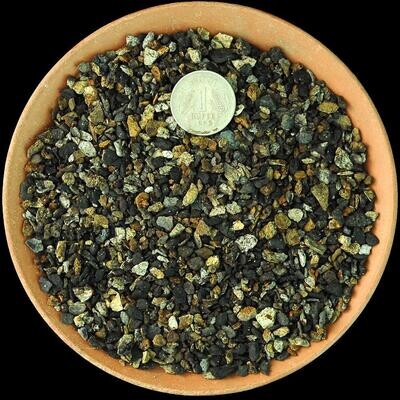
Cactus & Succulent Planting Mix COARSE (aka Cactus Soil Mix or Succulent Soil Mix)
Cactus & Succulent Planting Mix COARSE (aka Cactus Soil Mix or Succulent Soil Mix)
Washed, Free-Draining Mineral Mix for Cactus & Succulents
SKU MNS003
5.0
(1)
₹44.85

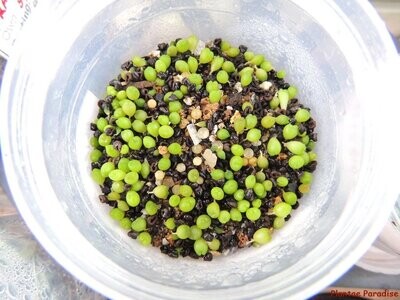
Cactus Seed Planting Mix
Cactus Seed Planting Mix
Sterile, Fine-Grain Media for Cactus & Succulent Seeds
SKU MNS005
₹74.85
Display prices in:INR
