
Categories
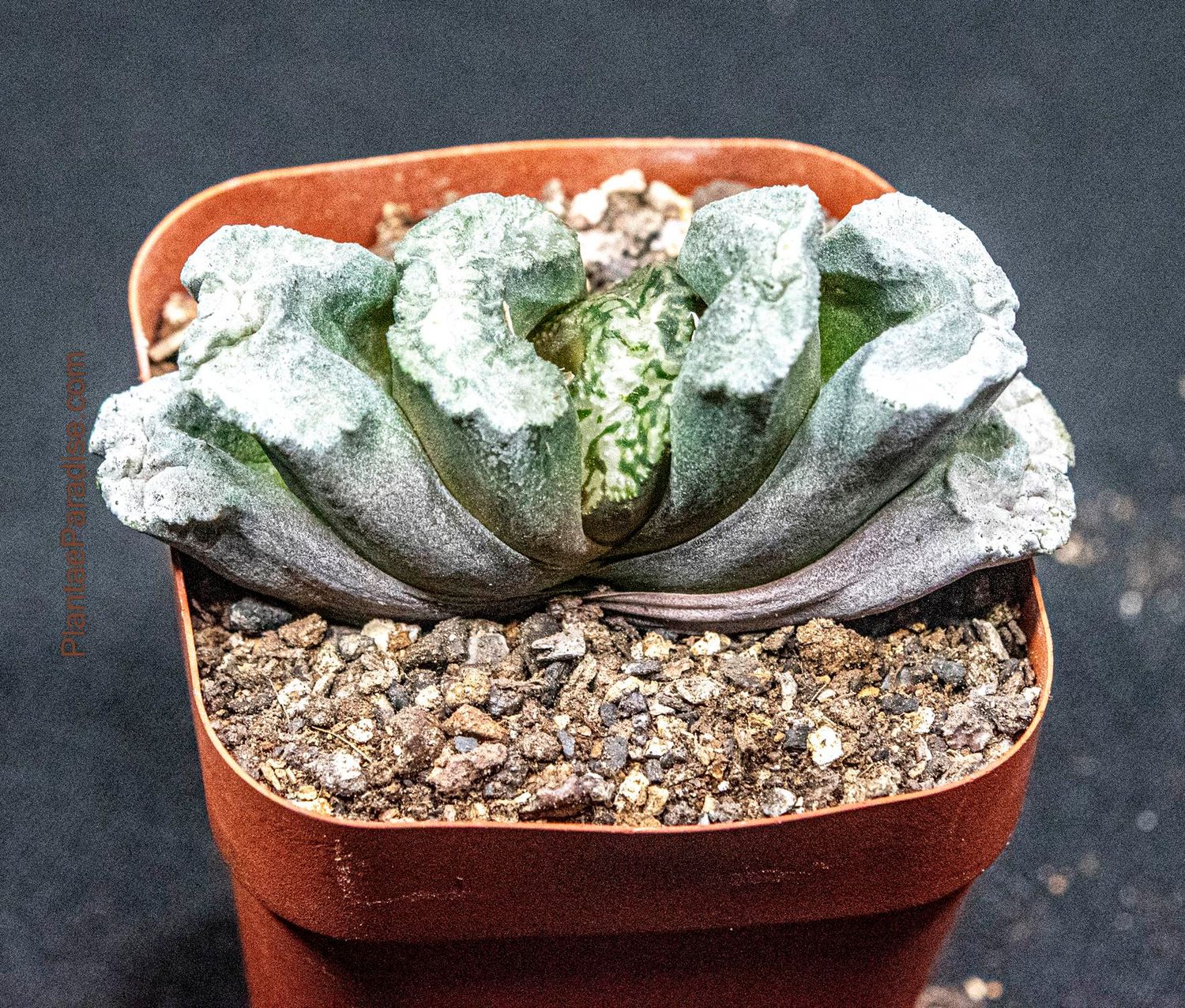
Haworthia truncata 'Daikoku'
SKU HH201
₹765.00
Sold out
Sold out
Save this product for later
Customer reviews
Reviews only from verified customers
No reviews yet. You can buy this product and be the first to leave a review.
Haworthia truncata 'Daikoku'
Product Details
1. Origin of Name:
The genus "Haworthia" honors Adrian Hardy Haworth (1767–1833), an influential English botanist dedicated to the study of succulents. The species name "truncata" means "cut off" or "truncated," describing the plant’s thick, flattened, and sliced leaf tips. The cultivar name 'Daikoku' references a Japanese deity of wealth, prosperity, and good fortune—symbolizing richness and auspiciousness. This name emphasizes its impressive, "wealthy"-like appearance with broad, truncated leaves forming a majestic crest, evoking images of grandeur and prosperity.
2. Origin of Plant:
Haworthia truncata 'Daikoku' is a cultivated hybrid or selection, mainly bred in horticultural settings, particularly in Japan, where it is prized for its sculptural beauty and cultural symbolism. Its natural habitat is in South Africa’s rocky, arid regions, where it thrives in steep slopes, cliffs, and crevices. The 'Daikoku' cultivar’s bold, cresting form and broad, truncated leaves are cultivated for ornamental purposes, emphasizing its majestic, crest-like appearance inspired by traditional Japanese aesthetics.
3. Description:
This cultivar features wide, flattened, wedge-shaped leaves that form a tall, cresting rosette. The leaves are broad and blunt-tipped, with prominent translucent "windows" allowing light to filter inside, supporting photosynthesis while protecting the plant from harsh sunlight. The vivid coloration can vary from deep green to bluish or purple hues, depending on sunlight exposure, adding to its dramatic, regal appearance. The cresting leaves sometimes resemble a flowing, layered crown or a miniature, majestic fortress—an architectural marvel in the plant world, radiating a sense of grandeur and stability.
4. Conservation Status:
As a cultivated hybrid or selection, Haworthia truncata 'Daikoku' is widely propagated and commercially available worldwide. Its popularity supports responsible cultivation, reducing pressures on wild populations. Through dedicated propagation efforts, it remains a highly sought-after ornamental specimen, celebrated for its majestic form and cultural associations.
5. Care:
- Lighting: Bright, direct sunlight; ample sunlight enhances coloration and crest formation but avoid scorching during the hottest hours.
- Watering: Water sparingly, allowing the soil to dry out completely between watering. Reduce watering during winter dormancy.
- Soil: Use a well-draining cactus or succulent mix with coarse sand or pumice.
- Temperature: Prefers warm, arid conditions from 65°F to 85°F (18°C to 29°C); protect from frost by providing cover or bringing indoors during cold temperatures.
- Additional Tips: Proper drainage and controlled watering prevent root rot. Fertilize lightly during active growth with a diluted cactus fertilizer.
6. Interesting Anecdote:
In Japanese culture, 'Daikoku' symbolizes prosperity, wealth, and good fortune. Its cresting, layered leaves evoke opulent crowns or temple roofs—images of stability and abundance. Many enthusiasts see this plant as an "archival treasure" symbolizing good luck and resilience, inspired by its majestic crest and cultural heritage. Its architectural, crest-like form resembles a miniature throne or palace, inspiring artists and collectors to regard it as a living sculpture of prosperity and strength.
Add the regal, cresting elegance of Haworthia truncata 'Daikoku' to your collection for a majestic, architectural masterpiece—a symbol of prosperity and natural art!
You May Also Like
New


Monsoon Guardian Kit (5 in 1)
Monsoon Guardian Kit (5 in 1)
Complete 5-in-1 biological protection kit for cacti & succulents
SKU MNS024
₹850.00
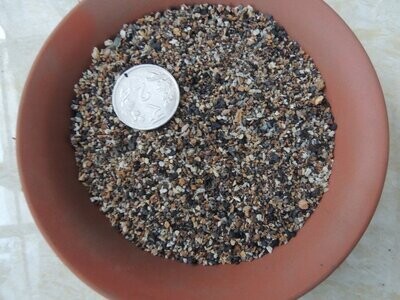
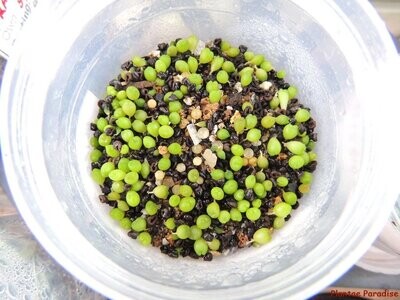
Cactus Seed Planting Mix
Cactus Seed Planting Mix
Sterile, Fine-Grain Media for Cactus & Succulent Seeds
SKU MNS005
₹74.85
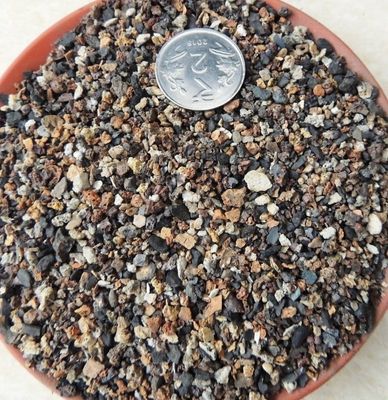
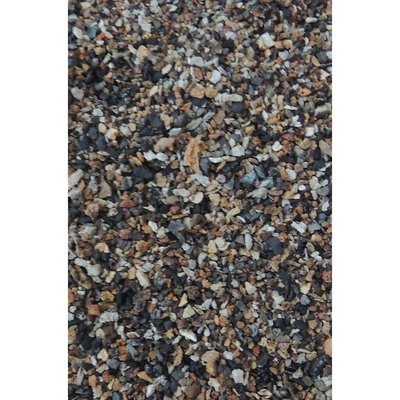
Cactus & Succulent Planting Mix FINE (aka Cactus Soil Mix or Succulent Soil Mix)
Cactus & Succulent Planting Mix FINE (aka Cactus Soil Mix or Succulent Soil Mix)
Fine-Grain Potting Mix for Cactus & Succulent Roots
SKU MNS001
5.0
(3)
₹39.85
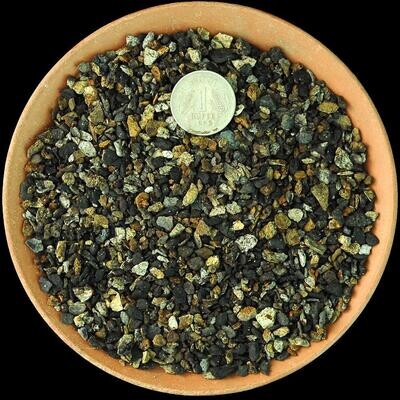
Cactus & Succulent Planting Mix COARSE (aka Cactus Soil Mix or Succulent Soil Mix)
Cactus & Succulent Planting Mix COARSE (aka Cactus Soil Mix or Succulent Soil Mix)
Washed, Free-Draining Mineral Mix for Cactus & Succulents
SKU MNS003
5.0
(1)
₹44.85
Display prices in:INR
