
Categories
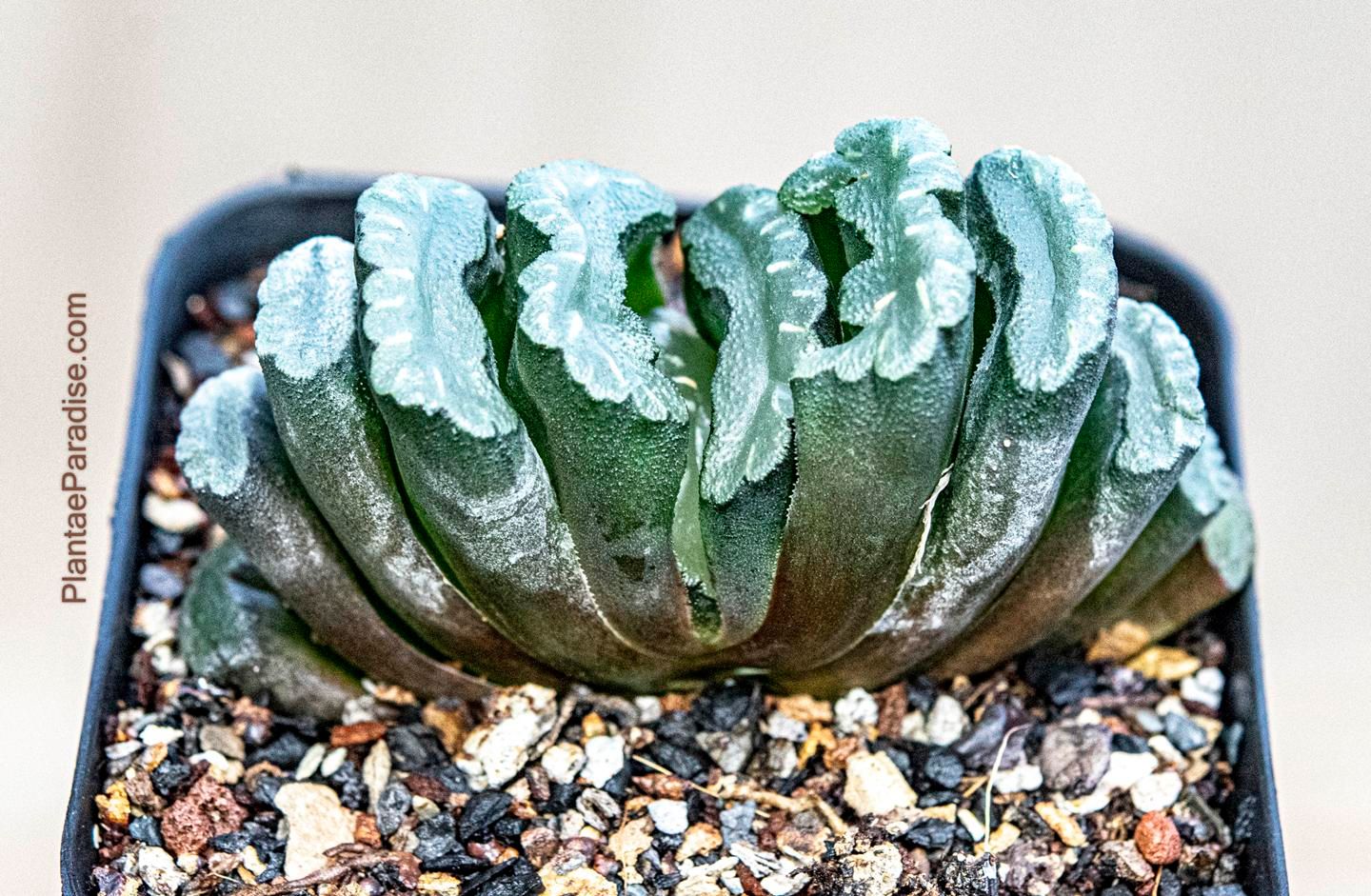
Haworthia truncata
SKU HH157
₹850.00
In stock: 3 available
1
Save this product for later
Customer reviews
Reviews only from verified customers
No reviews yet. You can buy this product and be the first to leave a review.
Haworthia truncata
Product Details
Haworthia truncata with crown-like "horse tooth" windows is an extraordinary cultivar celebrated for its striking, sculptural appearance and unique leaf tips. Its dramatic, crown-like windows make it a captivating centerpiece for collectors seeking architectural and exotic desert plants.
1. Origin of Name:
The genus "Haworthia" honors Adrian Hardy Haworth (1767–1833), an influential English botanist famous for classifying succulents and cacti. The species name "truncata" is Latin for "cut off" or "truncated," describing the plant’s distinctive, flattened leaf tips. This specific cultivar features truncated leaves with windows that resemble the crowns of horse teeth, highlighting its strikingly unusual appearance. The name emphasizes the plant’s sculptural, crown-like form, which draws admiration for its rugged beauty and textural complexity.
2. Origin of Plant:
This cultivar of Haworthia truncata originates from cultivation and selective breeding, derived from the species native to rocky regions of South Africa’s Western Cape. Its "crown" or "horse tooth" window shape is a natural adaptation in some wild forms, though it is often selectively propagated for its dramatic eye-catching appeal. It has become a prized specimen in succulent collections around the world, appreciated for its architectural, almost prehistoric look.
3. Description:
This cultivar features broad, flattened, wedge-shaped leaves that are truncated at the tips, forming a distinctive, crown-like rosette. The most remarkable feature is the set of transparent "windows" at the leaf tips, which resemble the teeth or crowns of horses—sharp, pointed, and dramatic. These windows allow sunlight to penetrate into the leaf’s interior, aiding photosynthesis while reducing water loss. The surface of the leaves can be smooth or slightly textured and varies in color from green to bluish-green. The overall appearance resembles a miniature, ancient fortress or a crown of pointed, armored teeth—an architectural wonder in the plant world.
4. Conservation Status:
As a cultivated cultivar, Haworthia truncata (this specific crown-like variety) is widely propagated and available commercially. Its popularity ensures that wild populations are less threatened, and responsible cultivation helps sustain its beauty for generations. While wild forms are rare, the cultivar’s extensive propagation in cultivation supports conservation efforts.
5. Care:
- Lighting: Bright, indirect sunlight; some direct morning sun can enhance coloration, but avoid harsh afternoon rays to prevent leaf damage.
- Watering: Water sparingly, allowing the soil to dry out completely between watering. Reduce watering during winter.
- Soil: Use a well-draining cactus or succulent mix with coarse sand or pumice for optimal drainage.
- Temperature: Prefers warm temperatures from 65°F to 85°F (18°C to 29°C). Protect from frost—bring indoors or apply frost cloth during colder months.
- Additional Tips: Proper drainage and avoiding overwatering are key to prevent root rot. Fertilize lightly during the growing season with a diluted cactus fertilizer.
6. Interesting Anecdote:
Many enthusiasts see this plant as a miniature "medieval crown" or "armor," evoking imagery of ancient fortresses or dinosaur teeth—symbols of resilience and strength. Its crown-like "windows" have inspired jewelry, sculptures, and design motifs symbolizing protection and prehistoric grandeur. Some say its dramatic appearance connects us to the ancient, rugged landscapes of South Africa, embodying the resilience of nature’s most formidable architectural forms.
Add the crown-shaped, "horse tooth" Haworthia truncata cultivar to your collection and enjoy a truly sculptural, ancient-looking masterpiece—an extraordinary testament to natural resilience and artistic design!
You May Also Like


Cactus & Succulent Planting Mix FINE (aka Cactus Soil Mix or Succulent Soil Mix)
Cactus & Succulent Planting Mix FINE (aka Cactus Soil Mix or Succulent Soil Mix)
Fine-Grain Potting Mix for Cactus & Succulent Roots
SKU MNS001
5.0
(3)
₹39.85

Cactus & Succulent Planting Mix COARSE (aka Cactus Soil Mix or Succulent Soil Mix)
Cactus & Succulent Planting Mix COARSE (aka Cactus Soil Mix or Succulent Soil Mix)
Washed, Free-Draining Mineral Mix for Cactus & Succulents
SKU MNS003
5.0
(1)
₹44.85
New

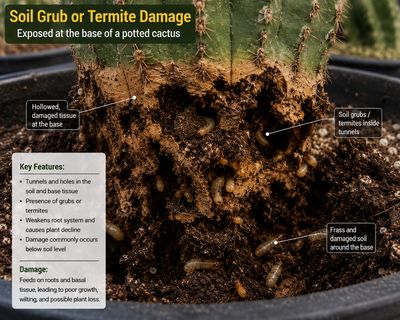
Monsoon Guardian Kit (5 in 1)
Monsoon Guardian Kit (5 in 1)
Complete 5-in-1 biological protection kit for cacti & succulents
SKU MNS024
₹850.00
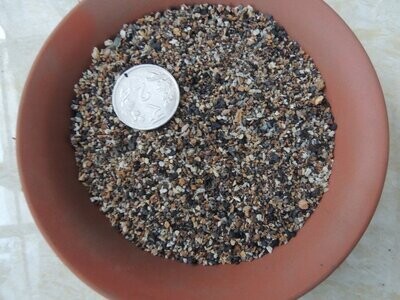
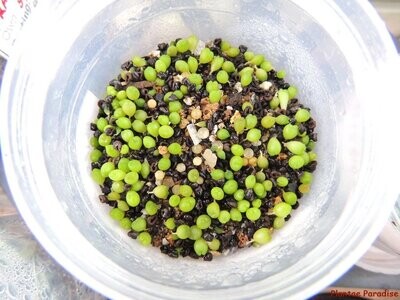
Cactus Seed Planting Mix
Cactus Seed Planting Mix
Sterile, Fine-Grain Media for Cactus & Succulent Seeds
SKU MNS005
₹74.85
Display prices in:INR
