
Categories
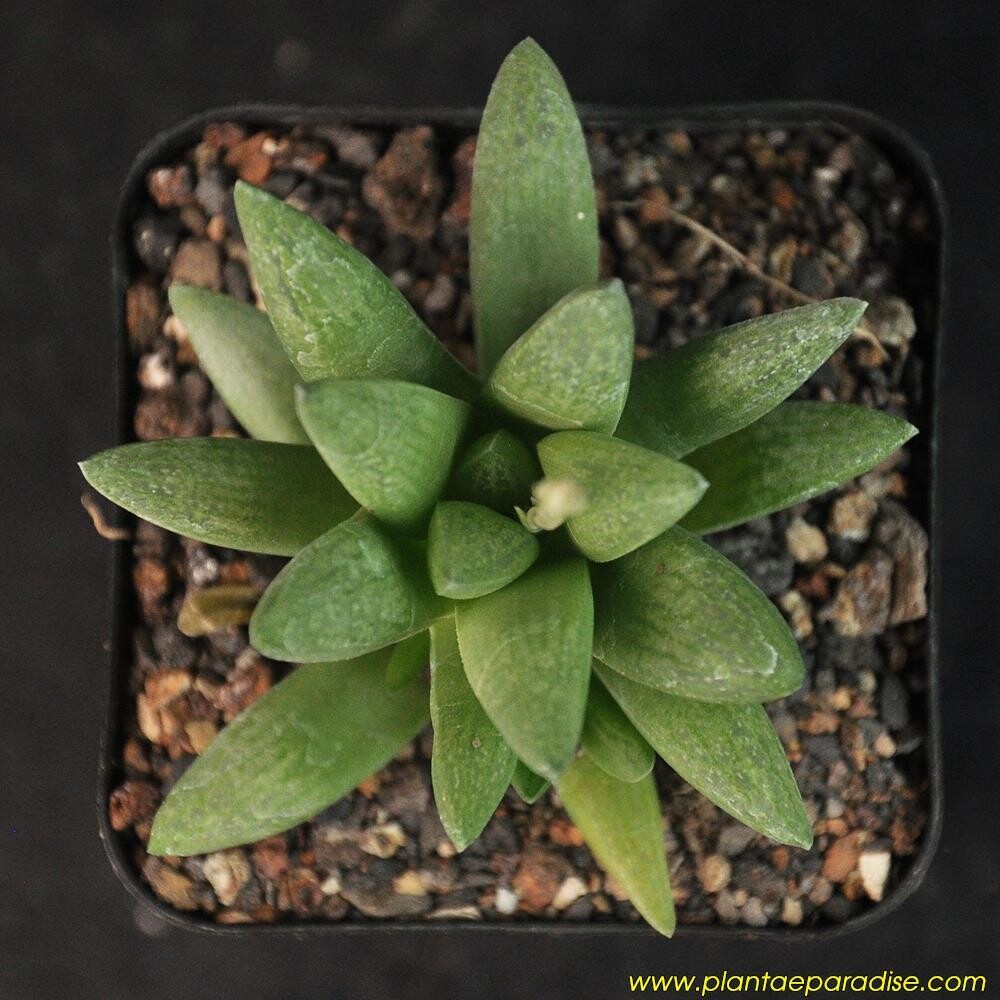
Haworthia turgida var suberecta
5.0
1 review
Reviews from verified customers who have purchased products at this store.
SKU HH073
₹150.00
Plump swollen leaves with rounded translucent windows
In stock: 2 available
1
Save this product for later
Customer reviews
Reviews only from verified customers
Reviews are only accepted from verified customers who have signed in and purchased the products. This ensures that each review is based on genuine customer experiences. All reviews are checked before publication to prevent spam.
Rajesh R.
Bengaluru,
India
Fri, July 10, 2026
Received in excellent condition and in 3 days, pleasantly surprised as this kind of quality and delivery is very rare. There were few babies/offshoots attached to the mother plant and they sent it as is, which is excellent as it will help me easily replicate them.
One of the best online succulent shop and recommend it wholeheartedly.
Haworthia turgida var suberecta
Product Details
Haworthia turgida var. suberecta is a captivating succulent renowned for its robust, plump leaves and stunning, translucent windows. Its unusual, compact form and textured surface make it a prized addition to any plant collection.
1. Origin of Name:
The genus "Haworthia" honors Adrian Hardy Haworth (1767–1833), an esteemed British botanist who extensively studied succulents and cacti, laying the foundation for modern classification. The species name "turgida" comes from Latin, meaning "swollen" or "puffed," describing the thick, inflated nature of the leaves. The variety name "suberecta" derives from Latin, meaning "almost erect," indicating the plant’s relatively upright growth habit compared to other haworthias. This variety is often called "Blunt Window Haworthia" in horticulture due to its rounded leaf tips and prominent windows. Its distinctive, swollen appearance and translucent leaf tips have made it popular among succulent growers and collectors.
2. Origin of Plant:
Haworthia turgida var. suberecta is native to the arid regions of South Africa, particularly in the Western Cape. It naturally inhabits rocky slopes, cliffs, and crevices, where its thick, fleshy leaves provide water storage and protection from harsh sunlight and drought. Discovered early in the 19th century during botanical expeditions, it adapted to survive in extreme, dry conditions, with its swollen leaves serving as water reservoirs. The natural habitat’s rocky terrain influences its compact, cushion-like growth form, enabling it to conserve moisture effectively.
3. Description:
This variety of Haworthia turgida features markedly swollen, rounded leaves that are tightly packed into rosettes, giving it a succulent, balloon-like appearance. The leaves are smooth and fleshy, often with a subtle, ribbed texture. A defining feature is the transparent windows near the leaf tips, which allow sunlight to penetrate into the plant for photosynthesis while minimizing water loss. The leaf edges are often smooth or slightly rounded, with some specimens displaying tiny, white tubercles or textured markings that add visual interest. During flowering, it produces small, white, tubular flowers on slender stalks, adding elegance to its robust structure.
4. Conservation Status:
Haworthia turgida var. suberecta is actively cultivated worldwide and is not currently threatened in the wild. Its popularity as a low-maintenance, ornamental succulent has led to widespread propagation in nurseries and private collections, contributing to its stable conservation status. However, habitat destruction and illegal wild collection remain concerns, highlighting the importance of responsible sourcing and cultivation.
5. Care:
- Lighting: Prefers bright, indirect sunlight; can tolerate filtered sunlight; avoid intense afternoon sun to prevent leaf scorch.
- Watering: Water sparingly, allowing the soil to dry out completely between watering. Reduce watering during winter dormancy.
- Soil: Use a well-draining cactus or succulent mix with added coarse sand or pumice to prevent water retention.
- Temperature: Suitable for temperatures between 65°F and 80°F (18°C to 27°C); sensitive to frost—bring indoors or provide frost protection.
- Additional Tips: Overwatering can lead to root rot, so ensure excellent drainage. Fertilize lightly during active growth with a diluted cactus fertilizer.
6. Interesting Anecdote:
Early explorers and botanists noted that Haworthia turgida var. suberecta’s swollen, translucent leaves appeared to shimmer under the South African sun, earning it the nickname "The Living Bubble." Indigenous peoples once believed that this plant was a sign of prosperity, using its resilient, water-storing leaves as a symbol of abundance and endurance in the desert’s harsh environment. Its unique, balloon-like form continues to inspire artists and collectors alike, embodying resilience and natural artistry.
Add the striking, balloon-like beauty of Haworthia turgida var. suberecta to your collection and enjoy a piece of South Africa’s rugged, thriving wilderness!
You May Also Like
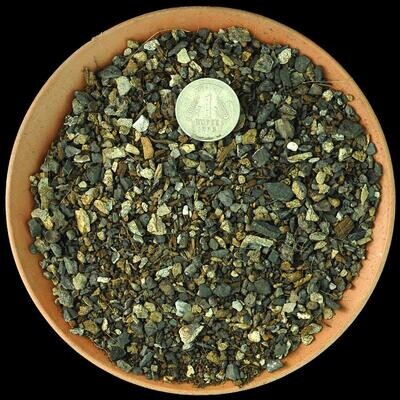
FORTIFIED Cactus & Succulent SOIL (COARSE)
FORTIFIED Cactus & Succulent SOIL (COARSE)
SKU MNS004
5.0
(11)
₹54.85
New

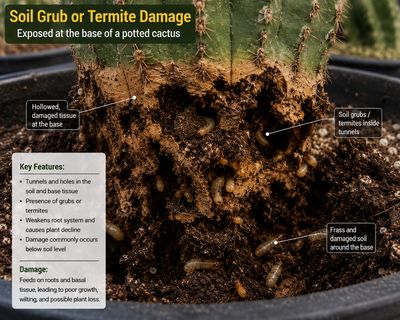
Monsoon Guardian Kit (5 in 1)
Monsoon Guardian Kit (5 in 1)
Complete 5-in-1 biological protection kit for cacti & succulents
SKU MNS024
₹850.00
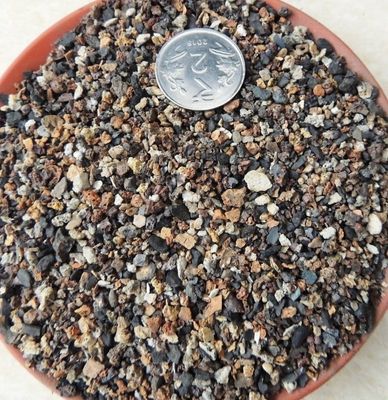
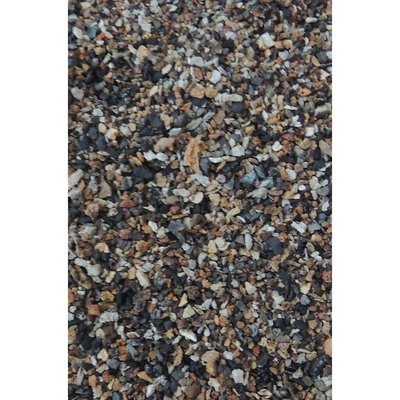
Cactus & Succulent Planting Mix FINE (aka Cactus Soil Mix or Succulent Soil Mix)
Cactus & Succulent Planting Mix FINE (aka Cactus Soil Mix or Succulent Soil Mix)
Fine-Grain Potting Mix for Cactus & Succulent Roots
SKU MNS001
5.0
(3)
₹39.85
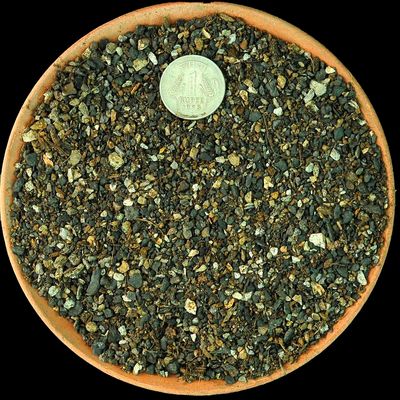
FORTIFIED Cactus & Succulent SOIL (FINE)
FORTIFIED Cactus & Succulent SOIL (FINE)
SKU MNS002
5.0
(4)
₹49.85
Display prices in:INR
