
Categories
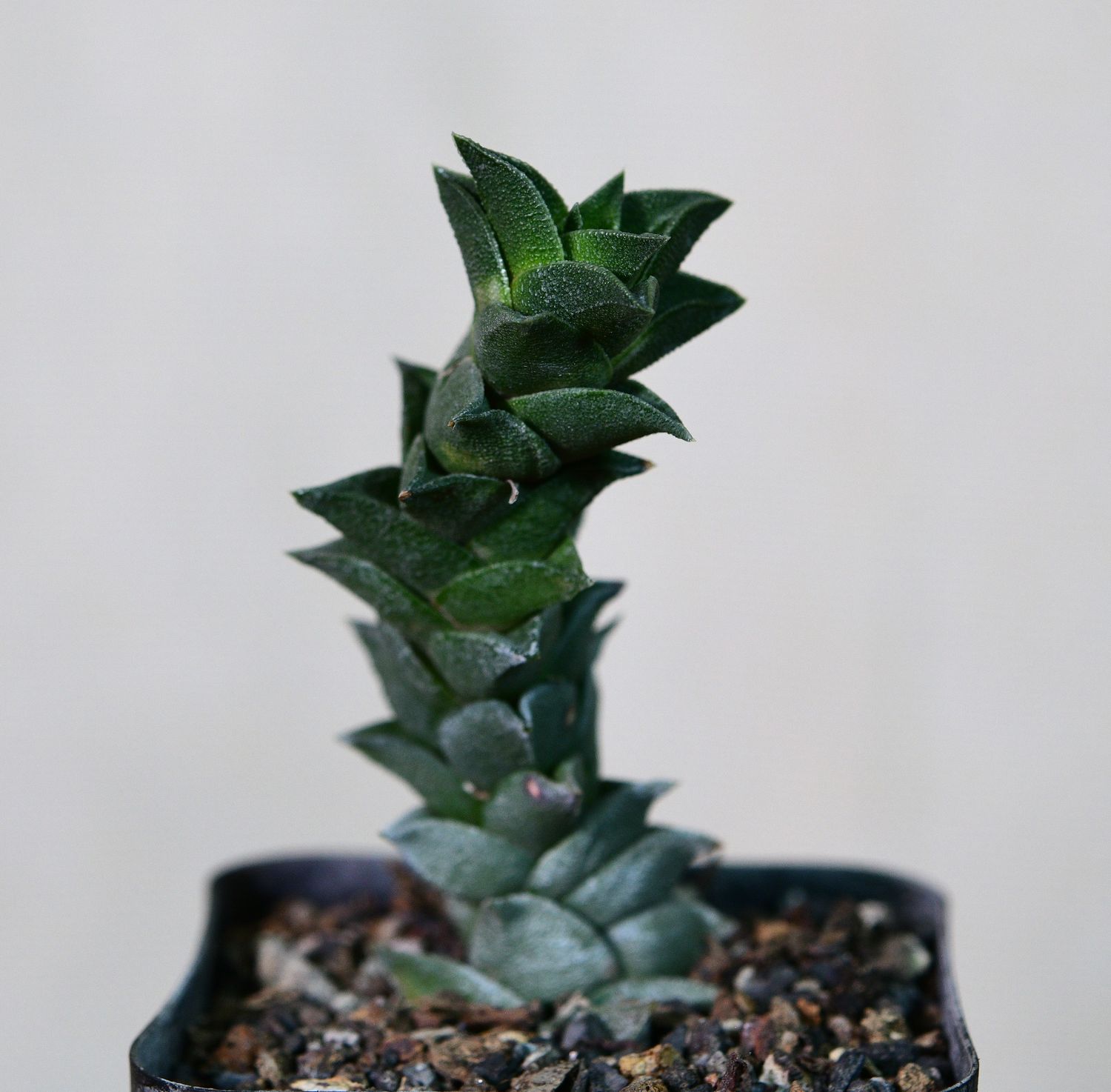
Haworthia viscosa spiral
SKU HH014
₹500.00
In stock: 2 available
1
Save this product for later
Customer reviews
Reviews only from verified customers
No reviews yet. You can buy this product and be the first to leave a review.
Haworthia viscosa spiral
Product Details
Sculptural Symmetry: Haworthia viscosa 'Spiral'
A rare, architectural marvel featuring perfectly tiered geometry that defies standard succulent growth patterns.
- Origin & History of Name: The specific epithet viscosa is derived from the Latin viscum, meaning "sticky," referring to the slightly adhesive texture of the leaves in some wild forms.
The "Spiral" designation identifies a specific growth mutation or selected form where the naturally imbricated (overlapping) leaves twist around the central axis. Historically, the genus was named after British botanist Adrian Hardy Haworth in the early 19th century. - Morphology: This succulent is characterized by its trifarious leaf arrangement—leaves grow in three distinct vertical columns.
In the 'Spiral' form, these columns rotate as the stem elongates. The epidermis is remarkably tough and scabrid (rough), while the caulescent (stem-forming) habit allows the plant to reach heights of 15–20 cm. Unlike many Haworthias, it lacks windowed leaves, prioritizing a dense, armor-like structure. - Habitat & Origin: While Haworthia viscosa is a wild species native to the arid Eastern and Western Cape Provinces of South Africa, the 'Spiral' form is a cultivar selected for its enhanced rotational symmetry. All specimens provided are nursery-grown via vegetative propagation or seed, ensuring no impact on wild populations in the Karoo region.
- Cultivation Profile:
- Substrate: Use a strictly mineral-based mix. A ratio of 70% inorganic material (pumice, perlite, or crushed leca) to 30% organic matter is ideal to prevent root rot in humid Indian climates.
- Light: Thrives in bright, indirect light. In India, provide morning sun but shield from harsh afternoon rays (12 PM – 4 PM), which can cause the dark pigments to scorch.
- Water/Dormancy: Water thoroughly only when the medium is completely dry. During the peak monsoon and peak summer, reduce watering as the plant enters semi-dormancy. Ensure high ventilation to combat tropical humidity.
- Scientific/Historical Anecdote: Haworthia viscosa was one of the earliest members of its genus to be described, appearing in botanical records as far back as 1701—long before the genus Haworthia was even formally established. For over a century, it was classified under the genus Aloe until taxonomic refinements separated these smaller, specialized succulents based on their unique floral structures.
You May Also Like
New


Monsoon Guardian Kit (5 in 1)
Monsoon Guardian Kit (5 in 1)
Complete 5-in-1 biological protection kit for cacti & succulents
SKU MNS024
₹850.00
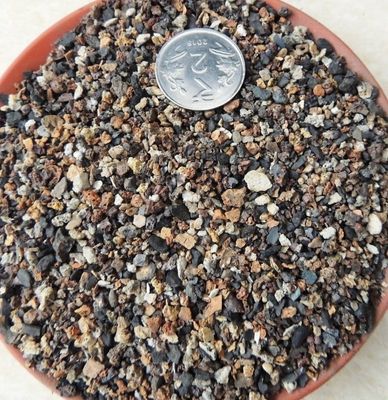
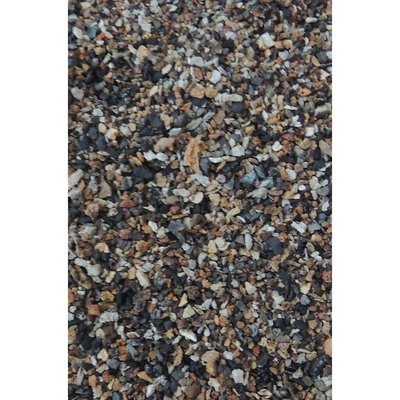
Cactus & Succulent Planting Mix FINE (aka Cactus Soil Mix or Succulent Soil Mix)
Cactus & Succulent Planting Mix FINE (aka Cactus Soil Mix or Succulent Soil Mix)
Fine-Grain Potting Mix for Cactus & Succulent Roots
SKU MNS001
5.0
(3)
₹39.85
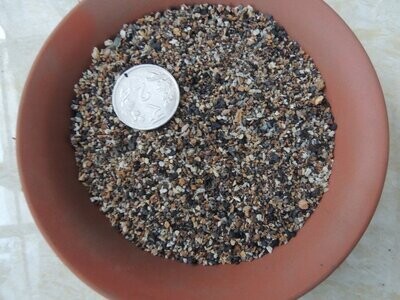
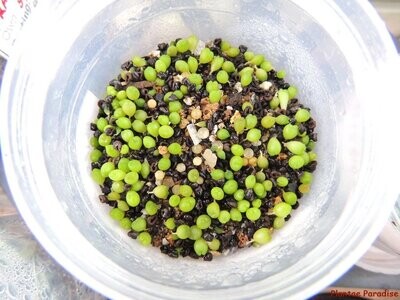
Cactus Seed Planting Mix
Cactus Seed Planting Mix
Sterile, Fine-Grain Media for Cactus & Succulent Seeds
SKU MNS005
₹74.85
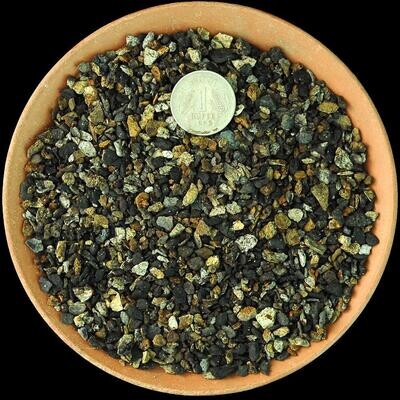
Cactus & Succulent Planting Mix COARSE (aka Cactus Soil Mix or Succulent Soil Mix)
Cactus & Succulent Planting Mix COARSE (aka Cactus Soil Mix or Succulent Soil Mix)
Washed, Free-Draining Mineral Mix for Cactus & Succulents
SKU MNS003
5.0
(1)
₹44.85
Display prices in:INR
