
Categories
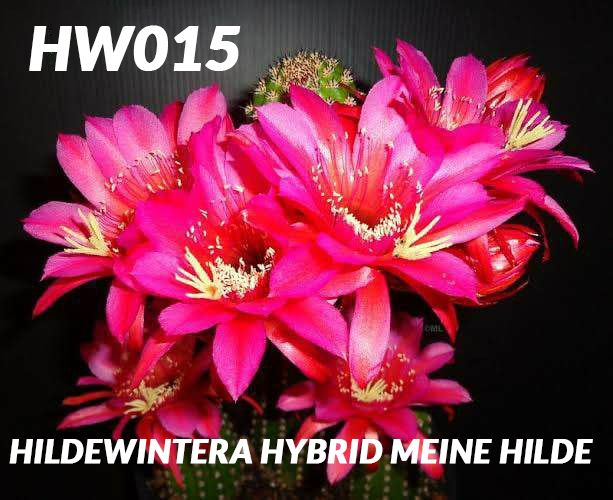
Hildewintera hybrid Meine Hilde
SKU HW015
₹850.00
In stock: 1 available
1
Save this product for later
Customer reviews
Reviews only from verified customers
No reviews yet. You can buy this product and be the first to leave a review.
Hildewintera hybrid Meine Hilde
Product Details
A curtain of hot-pink, star-shaped blooms bursts open along trailing, golden-bristled stems — each flower a deep magenta at the tips fading to a fiery red-orange throat, ringed with cream-yellow stamens. 'Meine Hilde' is a Hildewintera hybrid that keeps the species' famously hairy, hanging habit and adds some of the boldest flower color you'll find in the group.
Origin of Name
'Meine Hilde' is a cultivar name rather than a formal botanical one — German for "my Hilde," and, like many named Hildewintera hybrids, it circulates among European collectors and small nurseries without a formally published breeding record. Names like this one are typically coined by the hobbyist grower who raised the cross, often as a personal or affectionate title rather than a descriptive one, and this name reads as a direct, warm nod to the genus it belongs to.
That genus, Hildewintera, has a well-documented and rather touching backstory. German cactus hunter Friedrich Ritter first described the wild species behind this hybrid in 1962 as Winteria aureispina, but the genus name Winteria was already in use for an unrelated New Zealand shrub, forcing a rename. Ritter recombined it as Hildewintera — later validated by British botanist Gordon Douglas Rowley — in honor of his own sister, Hildegard "Hilde" Winter (1893–1975), who ran the nursery back home that sold the seeds and plants he sent back from his expeditions, effectively funding decades of his fieldwork. Modern taxonomy has since folded the species into Cleistocactus, as Cleistocactus winteri, but "Hildewintera" remains the name growers and sellers use. Whether coincidence or a knowing tribute, a hybrid called "my Hilde" sits neatly alongside a genus named for the real one.
Origin of Plant
The wild species behind this hybrid, Hildewintera (now Cleistocactus) winteri, is native to Bolivia's Santa Cruz department, in Florida province near Samaipata, where it grows on steep, humid rock faces at elevations up to about 1,500 meters, its stems hanging directly off cliff walls. Ritter collected and described it there in the early 1960s during his long series of Bolivian expeditions.
'Meine Hilde,' like other named Hildewintera hybrids, has no wild habitat of its own — it's a deliberate garden cross, most likely pairing the species with an Echinopsis- or Lobivia-type parent to trade its narrow, tubular wild flowers for the wide, many-petaled blooms seen here, while keeping the trailing, bristled stems that make the group so recognizable even out of flower.
Description
The plant grows as a cluster of slender, cylindrical stems that trail or hang rather than stand upright, densely covered in fine, hair-like golden-tan bristles that lengthen with age, giving the whole plant a soft, textured look even before it flowers. Left to grow, stems can extend well over a meter, making it a natural choice for hanging baskets or raised shelves.
The flowers are the plant's showpiece: wide, flat, star-shaped blooms in vivid magenta-pink, the color intensifying toward a deep red-orange throat, surrounded by a dense crown of pale yellow-cream stamens. Blooms open in flushes, with several appearing together along the stem for a dense burst of color against the pale, bristly body. As with most Hildewintera- and Echinopsis-type hybrids, individual flowers are short-lived, generally lasting only a couple of days, with successive flushes through the warmer months — the number of blooms open at once will vary from flush to flush.
Conservation Status
As a cultivated hybrid propagated from cuttings, 'Meine Hilde' has no IUCN Red List status of its own. Its wild ancestor, Cleistocactus winteri, is not formally listed as threatened, though it occupies a fairly narrow range of cliff habitat in Bolivia and has earned horticultural recognition, including the Royal Horticultural Society's Award of Garden Merit. International trade in wild-collected cacti generally falls under CITES Appendix II regulation, which makes a nursery-propagated hybrid like this one the responsible, sustainable choice for collectors.
Care
- Light: Bright light is essential for good flowering and compact growth — several hours of direct or strong indirect sun daily. Some shade from the harshest midday sun helps prevent scorching in very hot climates.
- Watering: Water thoroughly from spring through early autumn, letting the soil dry out fully between waterings. Cut back sharply in winter, keeping the plant nearly dry while it rests.
- Soil: A very free-draining, mineral-rich cactus mix — ordinary potting soil cut generously with pumice, perlite, or coarse sand — suits the trailing root system well.
- Pot: A terracotta pot or a well-ventilated hanging basket suits it better than plastic, which holds moisture longer and raises the risk of rot in the trailing stems.
- Temperature: Prefers warm growing conditions and appreciates being kept frost-free; protect from temperatures below roughly 5°C (41°F).
- General tips: Because the stems hang rather than climb, a hanging basket or raised shelf shows the plant off best and protects the delicate bristled stems from damage. Feed lightly with a diluted, low-nitrogen fertilizer during the growing season to encourage strong flushes of bloom, and handle the stems gently — the fine bristles are more fragile than they look.
A Story Worth Telling
Every named Hildewintera hybrid carries a small piece of Friedrich Ritter's story, whether the breeder intended it or not — the genus itself is a tribute to his sister Hildegard, who kept the commercial side of his plant-hunting operation running while he spent decades alone in the Andes. Hobbyist breeders across Europe have kept that personal, affectionate naming tradition alive ever since, tagging their own crosses with names, nicknames, and in-jokes rather than formal Latin descriptors. 'Meine Hilde' fits right into that lineage: a plant whose very name — "my Hilde" — echoes the family devotion the genus was built on in the first place.
You May Also Like

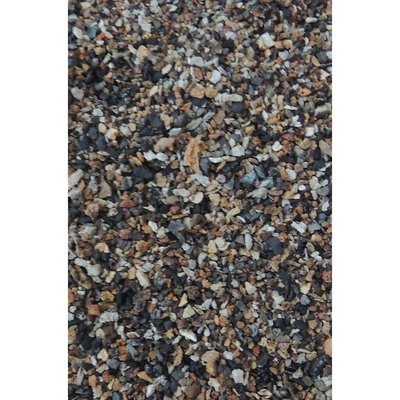
Cactus & Succulent Planting Mix FINE (aka Cactus Soil Mix or Succulent Soil Mix)
Cactus & Succulent Planting Mix FINE (aka Cactus Soil Mix or Succulent Soil Mix)
Fine-Grain Potting Mix for Cactus & Succulent Roots
SKU MNS001
5.0
(3)
₹39.85

FORTIFIED Cactus & Succulent SOIL (FINE)
FORTIFIED Cactus & Succulent SOIL (FINE)
SKU MNS002
5.0
(4)
₹49.85
New

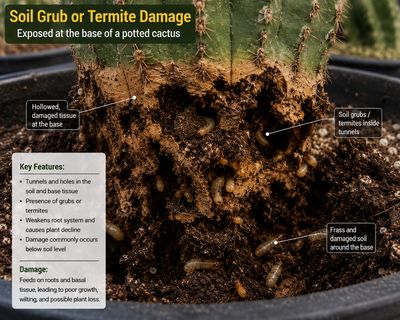
Monsoon Guardian Kit (5 in 1)
Monsoon Guardian Kit (5 in 1)
Complete 5-in-1 biological protection kit for cacti & succulents
SKU MNS024
₹850.00

FORTIFIED Cactus & Succulent SOIL (COARSE)
FORTIFIED Cactus & Succulent SOIL (COARSE)
SKU MNS004
5.0
(12)
₹54.85
Display prices in:INR
