
Categories
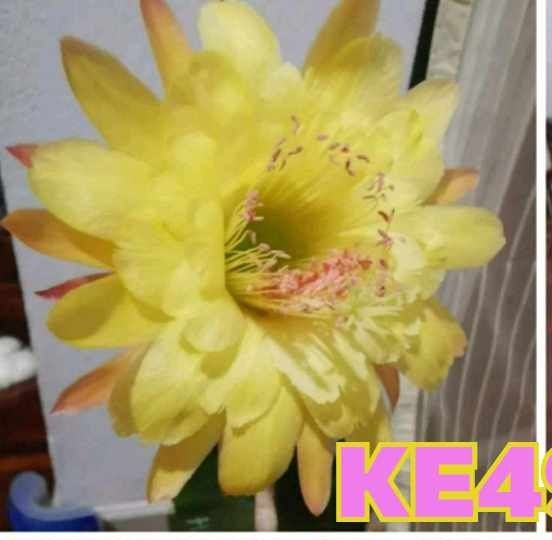
Hildewinteria hybrid KE4996
5.0
1 review
Reviews from verified customers who have purchased products at this store.
SKU HW038
₹850.00
In stock: 1 available
1
Save this product for later
Customer reviews
Reviews only from verified customers
Reviews are only accepted from verified customers who have signed in and purchased the products. This ensures that each review is based on genuine customer experiences. All reviews are checked before publication to prevent spam.
Roshan A.
Bangalore,
India
Mon, August 31, 2026
Goto hub for many hildewintera hybrids. Thanks Maneet sir
Hildewinteria hybrid KE4996
Product Details
Golden Luster Hildewinteria KE4996
A spectacular hybrid featuring rare, high-sheen yellow blooms with striking red-tipped anthers.
- Origin & History of Name: The genus name Hildewinteria honors Hildegard Winter, sister of the famous cactus nurseryman Friedrich Ritter, who made significant contributions to South American cactus exploration. The code "KE4996" indicates this is a specific hybrid clone bred by Hartmut Kiesling, a noted German cactus enthusiast and breeder, signifying a unique genetic lineage selected for exceptional floral traits.
- Morphology: This epiphytic or lithophytic cactus features pendant, cylindrical stems covered in fine, golden-spined areoles. The standout feature is the large, diurnal flower exhibiting a high-gloss "silky" texture on its yellow tepals. Internally, the flower displays matching silky yellow filaments that contrast sharply with deep red anthers, a specific trait selected during hybridization to enhance visual depth.
- Habitat & Origin: Hildewinteria KE4996 is a horticultural hybrid (cultivar) and does not exist in the wild. Its genetic ancestors, however, are native to the rocky cliffs of Bolivia and Uruguay. As a nursery-produced clone, its propagation is entirely sustainable and reduces pressure on wild populations of the parent species (H. aureispina and H. colademononis).
- Cultivation Profile:
- Substrate: Use a highly porous, mineral-rich mix (e.g., pumice, lava rock) with low organic content to ensure rapid drainage.
- Light: Requires bright, filtered sunlight; direct midday sun may scorch stems, while low light inhibits blooming.
- Water/Dormancy: Water moderately during the growing season (spring/summer), allowing the substrate to dry between waterings. Maintain a cool, dry dormancy in winter (approx. 10°C) to stimulate bud formation.
- Scientific/Historical Anecdote: Taxonomically, Hildewinteria has been a subject of debate, often merged into Cleistocactus or Borzicactus by modern botanists. However, collectors retain the name Hildewinteria specifically to categorize these soft-stemmed, trailing species that produce distinctively shaped, zygomorphic flowers capable of self-pollination in some clones, unlike the tubular flowers of standard Cleistocactus.
You May Also Like


Cactus Seed Planting Mix
Cactus Seed Planting Mix
Sterile, Fine-Grain Media for Cactus & Succulent Seeds
SKU MNS005
₹74.85
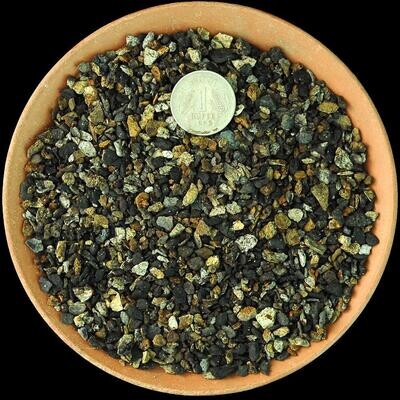
Cactus & Succulent Planting Mix COARSE (aka Cactus Soil Mix or Succulent Soil Mix)
Cactus & Succulent Planting Mix COARSE (aka Cactus Soil Mix or Succulent Soil Mix)
Washed, Free-Draining Mineral Mix for Cactus & Succulents
SKU MNS003
5.0
(1)
₹44.85
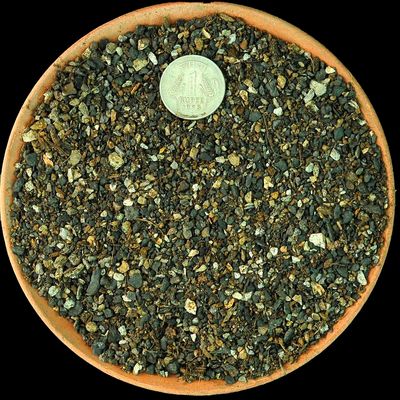
FORTIFIED Cactus & Succulent SOIL (FINE)
FORTIFIED Cactus & Succulent SOIL (FINE)
SKU MNS002
5.0
(4)
₹49.85
New


Monsoon Guardian Kit (5 in 1)
Monsoon Guardian Kit (5 in 1)
Complete 5-in-1 biological protection kit for cacti & succulents
SKU MNS024
₹850.00
Display prices in:INR
