
Categories
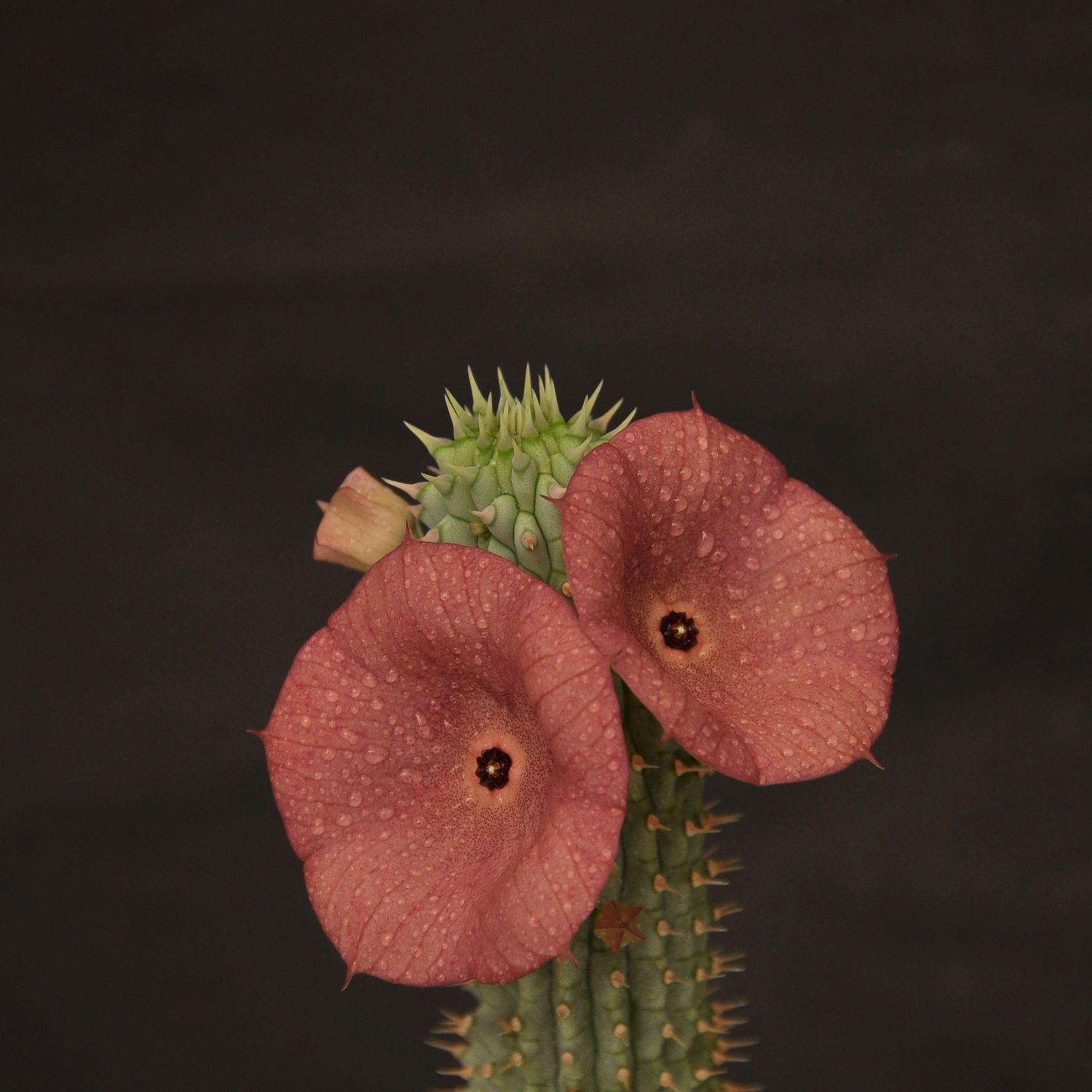
Hoodia gordonii
SKU ASC002
₹800.00
Sold out
Sold out
Save this product for later
Customer reviews
Reviews only from verified customers
No reviews yet. You can buy this product and be the first to leave a review.
Hoodia gordonii
Product Details
Desert Sentinel: Hoodia gordonii
Own a living relic of the Kalahari, renowned for its formidable spiny columns and its historic role as a natural botanical marvel.
- Origin & History of Name: The genus Hoodia was named in the 19th century by botanist Robert Sweet in honor of Mr. Hood, a notable succulent cultivator of the era.
The specific epithet gordonii commemorates Colonel Robert Jacob Gordon, a Dutch explorer and commander who first documented the species in the late 1700s. Historically, the indigenous San people of Southern Africa utilized the plant for its appetite-suppressant properties during long hunting expeditions. - Morphology: This leafless succulent consists of multiple upright, cylindrical stems characterized by prominent tubercle ridges.
Each tubercle is tipped with a sharp, brownish spine. The epidermis is a pale grey-green, designed to reflect intense solar radiation. Its most striking feature is the "carrion flower"—large, saucer-shaped blooms that possess a flesh-like texture and emit a faint odor to attract specialized fly pollinators. - Habitat & Origin: Hoodia gordonii is a wild species native to the extreme arid regions of South Africa, Namibia, and Botswana.
Due to high demand in the pharmaceutical industry, it is strictly protected under CITES Appendix II. All commercially available specimens should be nursery-grown from seed to ensure the sustainability of wild populations. - Cultivation Profile:
- Substrate: Requires a strictly mineral-heavy, porous medium. Use a mix of 80% volcanic grit, coarse sand, or fine gravel and 20% well-aged compost to ensure rapid drainage.
- Light: Thrives in full, direct sun.
In the Indian subcontinent, it requires maximum light exposure to prevent etiolation (stretching), though young plants benefit from light shading during the extreme heat of a North Indian June. - Water/Dormancy: Highly susceptible to rot.
Water sparingly during the summer growing season and maintain a dry dormancy during the monsoon and winter. Avoid overhead watering to prevent moisture from settling between the stems.
- Scientific/Historical Anecdote: Scientific interest peaked in the late 20th century when researchers isolated a molecule called P57 from the plant.
This steroidal glycoside acts directly on the hypothalamus to signal satiety. This discovery led to a global "Hoodia craze," highlighting the complex legal and ethical intersection between modern bioprospecting and the traditional knowledge of indigenous cultures.
You May Also Like
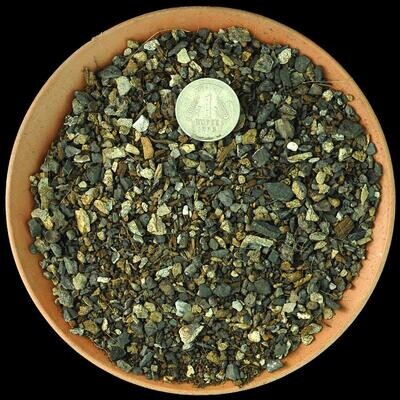
FORTIFIED Cactus & Succulent SOIL (COARSE)
FORTIFIED Cactus & Succulent SOIL (COARSE)
SKU MNS004
5.0
(11)
₹54.85
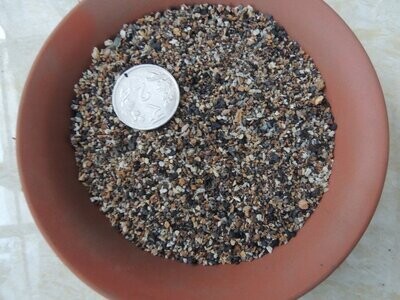
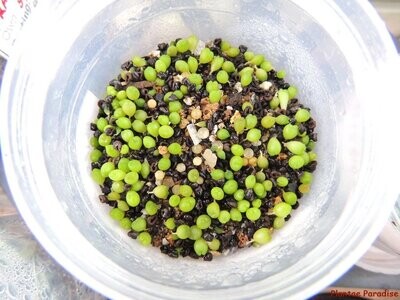
Cactus Seed Planting Mix
Cactus Seed Planting Mix
Sterile, Fine-Grain Media for Cactus & Succulent Seeds
SKU MNS005
₹74.85
New
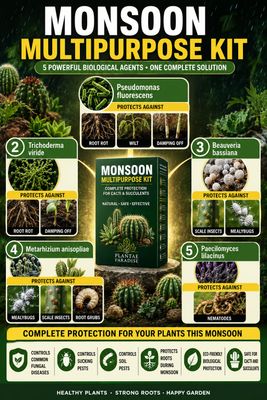
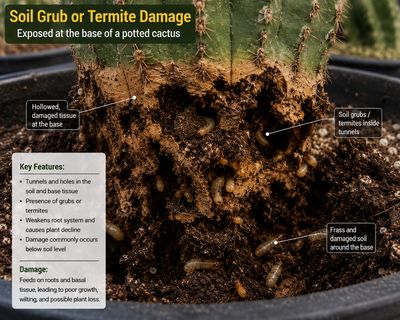
Monsoon Guardian Kit (5 in 1)
Monsoon Guardian Kit (5 in 1)
Complete 5-in-1 biological protection kit for cacti & succulents
SKU MNS024
₹850.00
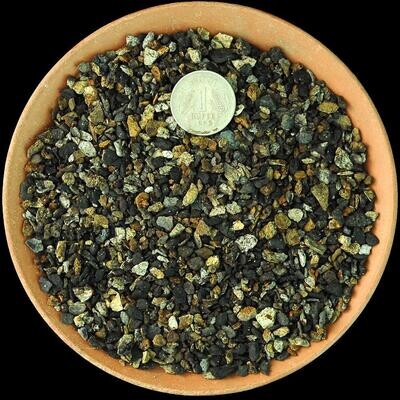
Cactus & Succulent Planting Mix COARSE (aka Cactus Soil Mix or Succulent Soil Mix)
Cactus & Succulent Planting Mix COARSE (aka Cactus Soil Mix or Succulent Soil Mix)
Washed, Free-Draining Mineral Mix for Cactus & Succulents
SKU MNS003
5.0
(1)
₹44.85
Display prices in:INR
