
Categories
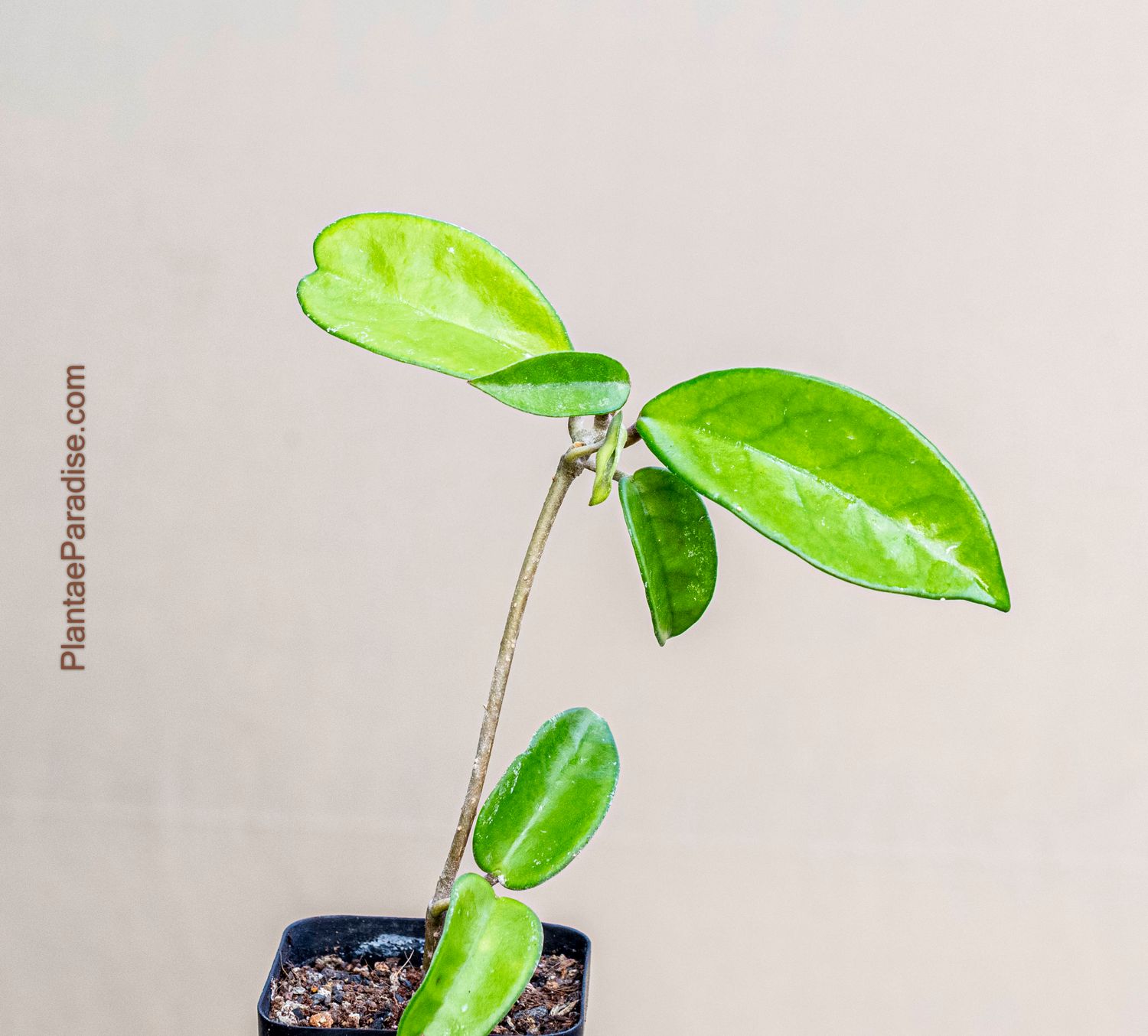
Hoya carnosa
SKU EH004
₹127.50
On Sale
List Price ₹150.00 Save 15%
In stock: 5 available
1
Save this product for later
Customer reviews
Reviews only from verified customers
No reviews yet. You can buy this product and be the first to leave a review.
Hoya carnosa
Product Details
Unleash timeless elegance into your home with the beloved Hoya carnosa, famously known as the "Wax Plant." Renowned for its cascades of glossy, succulent leaves and clusters of exquisitely detailed, star-shaped flowers, this vining beauty offers a captivating blend of easy-care resilience and breathtaking charm. A true classic among houseplants, Hoya carnosa promises to adorn your space with its unique texture, enchanting fragrance, and a touch of enduring grace.
1. Origin of Name
The genus name, Hoya, was established by the esteemed Scottish botanist Robert Brown in 1810. He named it in honor of Thomas Hoy (1750–1822), a meticulous gardener who served the Duke of Northumberland at Syon House in England. Hoy was a passionate cultivator of exotic plants, and he was among the first in Europe to grow and flower various species, including some of the early Hoya specimens imported from Asia. The specific epithet, carnosa, is derived from the Latin word "carnis," meaning "flesh," and translates to "fleshy" or "flesh-like." This aptly describes the thick, succulent texture of its leaves, which are one of its most defining characteristics. The common name, "Wax Plant," further emphasizes the plant's waxy leaves and the almost porcelain-like appearance of its flowers.
2. Origin of Plant
Hoya carnosa is a widely distributed and resilient species, native to a vast range across East Asia and Australia. Its natural habitat spans southern China, India, Vietnam, Malaysia, Indonesia, the Philippines, and various parts of Australia. In these regions, it typically grows as an epiphyte (climbing on trees) or a lithophyte (clinging to rocks) in tropical and subtropical forests. It thrives in humid environments with dappled sunlight, often found scrambling up trees, using its roots to anchor itself while its vines cascade or trail. The plant was first introduced to European cultivation in the late 18th or early 19th century by explorers and plant collectors, quickly becoming a popular and enduring houseplant due to its attractive foliage and unique flowers.
3. Description
The Hoya carnosa is a vigorous and enchanting evergreen vining plant, cherished for its striking foliage and exquisite blooms. Its long, flexible stems are adorned with thick, succulent, oval to elliptic leaves that are a rich, glossy dark green. Many forms also exhibit attractive silvery flecks or splashes across the leaf surface, adding to their ornamental appeal. The leaves have a distinctly waxy texture, hence the common name "Wax Plant." As a climber, it can reach impressive lengths, trailing elegantly or twining around supports. The true spectacle of Hoya carnosa lies in its fragrant flowers, which appear in dense, pendulous clusters (umbels) of 10-30 individual blooms. Each flower is a perfect, star-shaped miniature, with five waxy petals that are typically white to pale pink, often with a contrasting darker pink or red central corona. These flowers produce tiny, sticky droplets of sweet nectar, often referred to as "Hoya tears." Blooming usually occurs from spring to late summer on mature plants, providing a long-lasting and intensely fragrant display, especially noticeable in the evenings.
4. Conservation Status
Hoya carnosa is a very common species both in cultivation and, generally, in its widespread natural range. It is not currently listed as threatened or endangered by major conservation organizations such as the IUCN Red List of Threatened Species. Its adaptability and ease of propagation have made it a ubiquitous houseplant globally, which significantly reduces any pressure on wild populations. Growing and cherishing this cultivated species ensures its continued prosperity without impacting its natural habitats.
5. Care
Despite its exotic appearance, Hoya carnosa is surprisingly low-maintenance and forgiving, making it an excellent choice for both beginners and experienced plant enthusiasts.
- Watering: Allow the soil to dry out completely between waterings. Water thoroughly during the growing season (spring to autumn), then reduce frequency significantly in winter. It is highly susceptible to root rot if overwatered, especially in cooler temperatures.
- Soil: Requires an airy, well-draining potting mix. A good blend consists of regular potting soil amended with perlite, orchid bark, or coarse sand to ensure excellent drainage and aeration.
- Light: Prefers bright, indirect light. It can tolerate some direct morning sun, which often encourages more robust growth and flowering. However, protect it from harsh, intense afternoon sun, which can scorch its leaves. Good light is crucial for promoting its beautiful blooms.
- Temperature: Thrives in warm household temperatures, ideally between 18-29°C (65-85°F). It is not frost-tolerant and should be protected from temperatures below 10°C (50°F).
- Humidity: Appreciates moderate to high humidity but tolerates average household levels. Regular misting, especially in dry environments, can be beneficial, or group it with other plants.
- Tips: Do not remove the flower peduncles (the little stems from which the flower clusters emerge) after they have finished blooming. New flowers will typically grow from the same peduncles in subsequent seasons. Hoya carnosa often flowers best when slightly root-bound, so avoid over-potting. Provide a trellis, hoop, or allow its long vines to trail gracefully from a hanging basket.
6. Engaging Anecdote
The allure of Hoya carnosa is deeply intertwined with its sensory delights. Its flowers, beyond their striking appearance, are famous for two captivating traits: their intense, sweet fragrance and the glistening nectar droplets they exude. The fragrance, often described as a mix of vanilla, chocolate, or citrus, becomes most potent at night, a clever evolutionary strategy to attract nocturnal pollinators in its native habitat. These "Hoya tears," as the nectar is affectionately called, are not just beautiful; they are often genuinely sweet and edible, making for a truly unique interaction with the plant. For generations, Hoya carnosa has been a beloved houseplant, passed down through families as a living heirloom, often thriving for decades in a single pot. Its resilience, combined with the magic of its fragrant, waxy blooms, has cemented its place as a cherished botanical companion, filling homes with beauty and an enchanting aroma that evokes distant tropical nights. Owning a Hoya carnosa is not just adding a plant to your collection; it's inviting a piece of living history, a fragrant, visual poem that continuously unfolds its waxy secrets.
You May Also Like
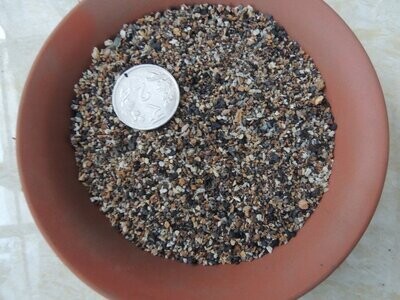
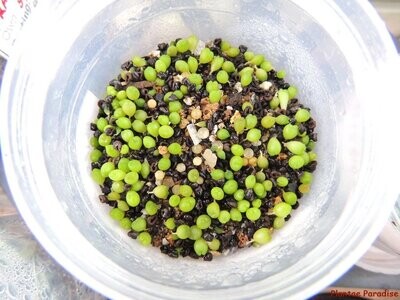
Cactus Seed Planting Mix
Cactus Seed Planting Mix
Sterile, Fine-Grain Media for Cactus & Succulent Seeds
SKU MNS005
₹74.85
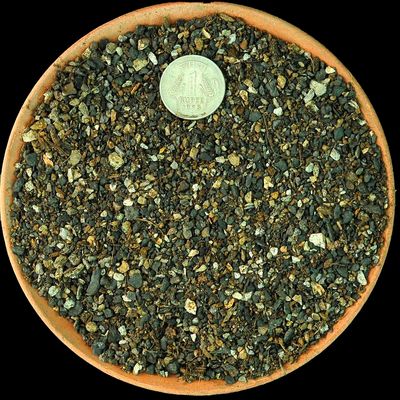
FORTIFIED Cactus & Succulent SOIL (FINE)
FORTIFIED Cactus & Succulent SOIL (FINE)
SKU MNS002
5.0
(4)
₹49.85

Cactus & Succulent Planting Mix COARSE (aka Cactus Soil Mix or Succulent Soil Mix)
Cactus & Succulent Planting Mix COARSE (aka Cactus Soil Mix or Succulent Soil Mix)
Washed, Free-Draining Mineral Mix for Cactus & Succulents
SKU MNS003
5.0
(1)
₹44.85


Cactus & Succulent Planting Mix FINE (aka Cactus Soil Mix or Succulent Soil Mix)
Cactus & Succulent Planting Mix FINE (aka Cactus Soil Mix or Succulent Soil Mix)
Fine-Grain Potting Mix for Cactus & Succulent Roots
SKU MNS001
5.0
(3)
₹39.85
Display prices in:INR
