
Categories
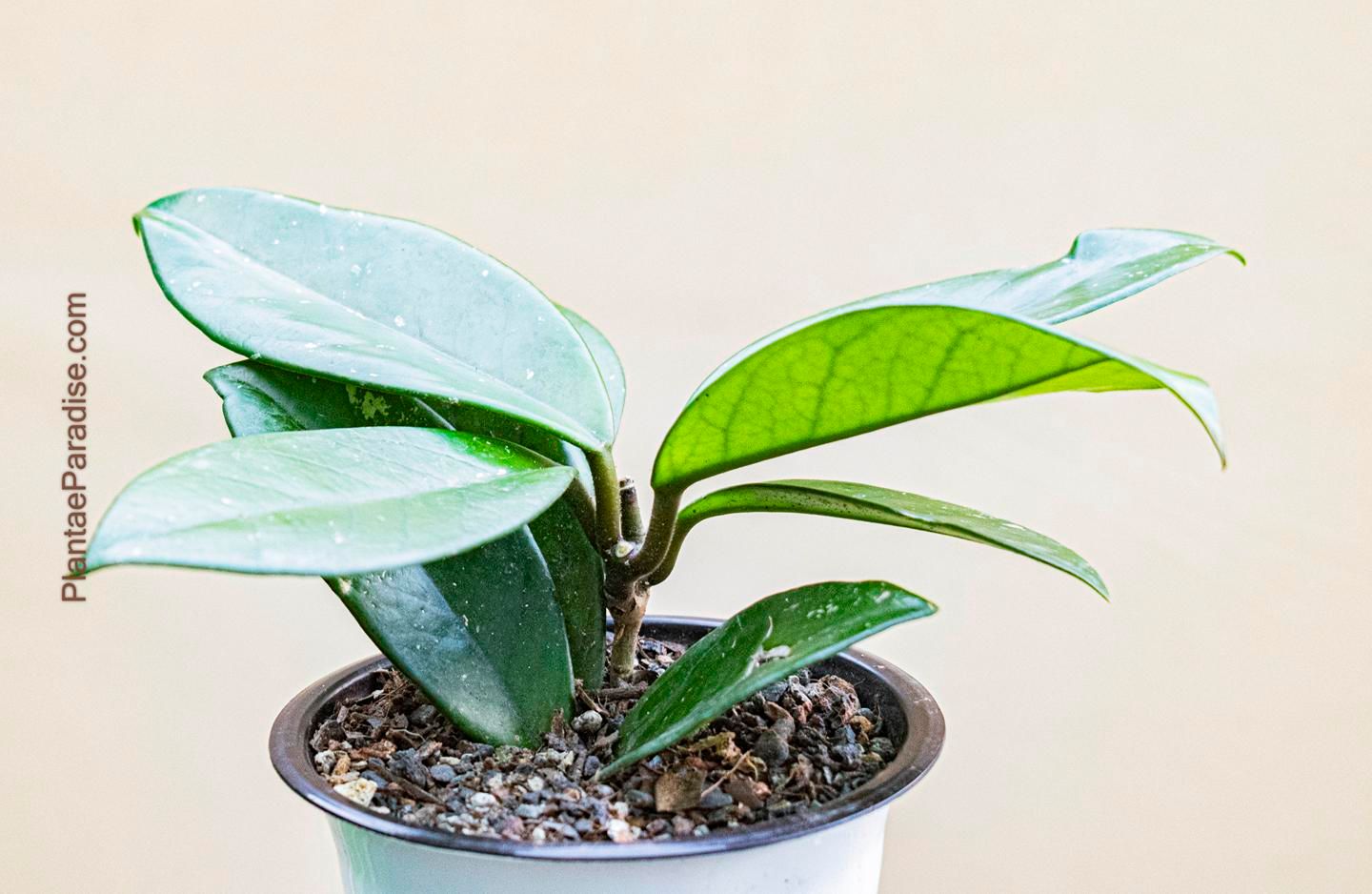
Hoya densifolia
SKU EH007
₹276.25
On Sale
List Price ₹325.00 Save 15%
In stock: 5 available
1
Save this product for later
Customer reviews
Reviews only from verified customers
No reviews yet. You can buy this product and be the first to leave a review.
Hoya densifolia
Product Details
Hoya densifolia
1. Origin of Name:
The genus Hoya is named after Thomas Hoy, a 19th-century British botanist and horticulturist known for his extensive work on the genus. The species name densifolia is derived from Latin, meaning "densely foliaged," which describes its lush, thick clusters of leaves. This name emphasizes the plant’s characteristic dense foliage, making it a standout among Hoyas. Its name reflects its botanical traits and its lush, full appearance, which has made it popular among plant lovers seeking a vigorous, leafy vine.
2. Origin of Plant:
Native to parts of Southeast Asia, including Thailand, Malaysia, and Indonesia, Hoya densifolia thrives in humid tropical forests and understories where it climbs or trails on trees and shrubs. Its natural habitat is rich in moisture and filtered sunlight, which contributes to its lush, dense growth habit. It has been appreciated by local communities for centuries for its attractive foliage and fragrant flowers, and over time, horticulturists worldwide have cultivated and propagated it as a popular houseplant and ornamental vine.
3. Description:
This robust, vining hoya features densely packed, leathery, dark green leaves that often have a slightly wavy or pleated texture. The plant’s lush foliage forms a thick, bush-like appearance when well-grown. During late spring and summer, Hoya densifolia produces clusters of star-shaped, waxy flowers that are typically white or pale pink, often with a fragrant, sweet scent. These floral clusters add a charming touch to its leafy presence, making it a highly desirable indoor or outdoor tropical vine. Its vigorous, fullness and beautiful flowers make it an attractive addition to trellises, hanging baskets, or as a decorative ground cover.
4. Conservation Status:
Hoya densifolia is widely cultivated and propagated around the world, and it is not currently threatened or endangered in its native environment. Its popularity has led to responsible propagation practices, and cultivated plants help reduce pressure on wild populations. As a resilient, easy-care plant, it remains a favorite among houseplant collectors and tropical gardening enthusiasts.
5. Care:
- Watering: Water thoroughly when the top inch of soil feels dry, but allow excess water to drain away. Reduce watering during winter dormancy.
- Soil: Use a well-draining, airy potting mix designed for epiphytes or orchids, enriched with perlite or charcoal for extra drainage.
- Light: Prefers bright, indirect light. It can tolerate some direct morning sun but should be protected from harsh afternoon rays to prevent leaf scorch.
- Temperature: Likes warm, humid conditions with temperatures between 65°F and 85°F (18°C to 29°C). Protect from drafts and cold temperatures below 50°F (10°C).
- Additional Tips: Fertilize monthly with a diluted balanced liquid fertilizer during the growing season. Regular pruning encourages bushier growth, and the plant responds beautifully to regular misting or increased humidity. Its lush foliage and fragrant blooms make it a standout piece in any tropical or houseplant collection.
You May Also Like
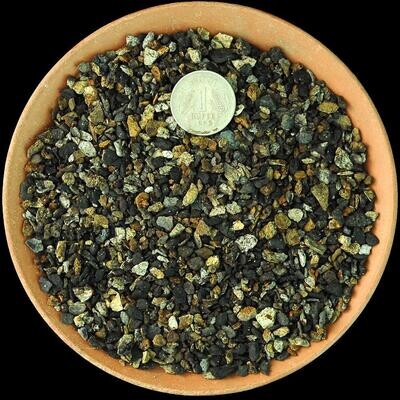
Cactus & Succulent Planting Mix COARSE (aka Cactus Soil Mix or Succulent Soil Mix)
Cactus & Succulent Planting Mix COARSE (aka Cactus Soil Mix or Succulent Soil Mix)
Washed, Free-Draining Mineral Mix for Cactus & Succulents
SKU MNS003
5.0
(1)
₹44.85
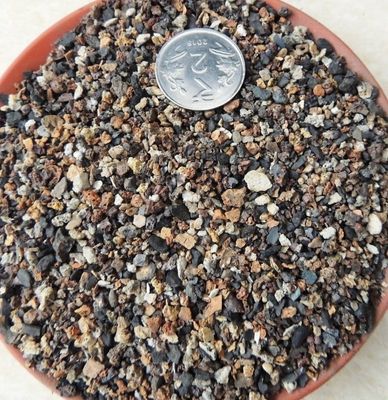
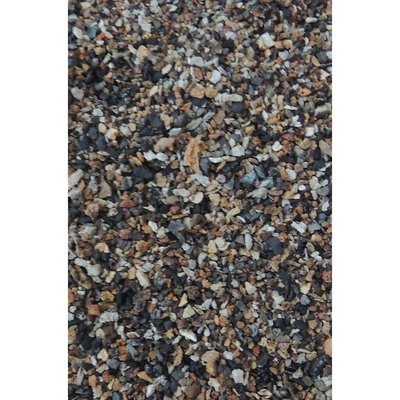
Cactus & Succulent Planting Mix FINE (aka Cactus Soil Mix or Succulent Soil Mix)
Cactus & Succulent Planting Mix FINE (aka Cactus Soil Mix or Succulent Soil Mix)
Fine-Grain Potting Mix for Cactus & Succulent Roots
SKU MNS001
5.0
(3)
₹39.85
New
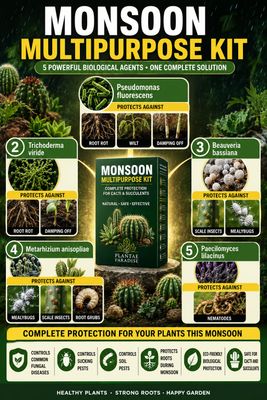
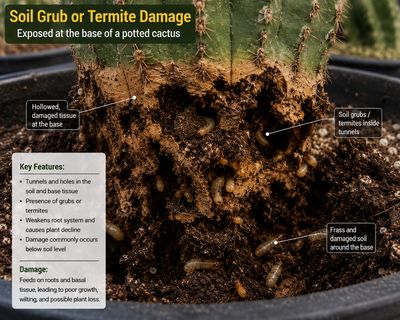
Monsoon Guardian Kit (5 in 1)
Monsoon Guardian Kit (5 in 1)
Complete 5-in-1 biological protection kit for cacti & succulents
SKU MNS024
₹850.00
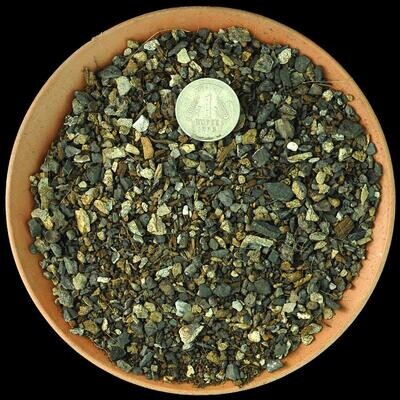
FORTIFIED Cactus & Succulent SOIL (COARSE)
FORTIFIED Cactus & Succulent SOIL (COARSE)
SKU MNS004
5.0
(11)
₹54.85
Display prices in:INR
