
Categories
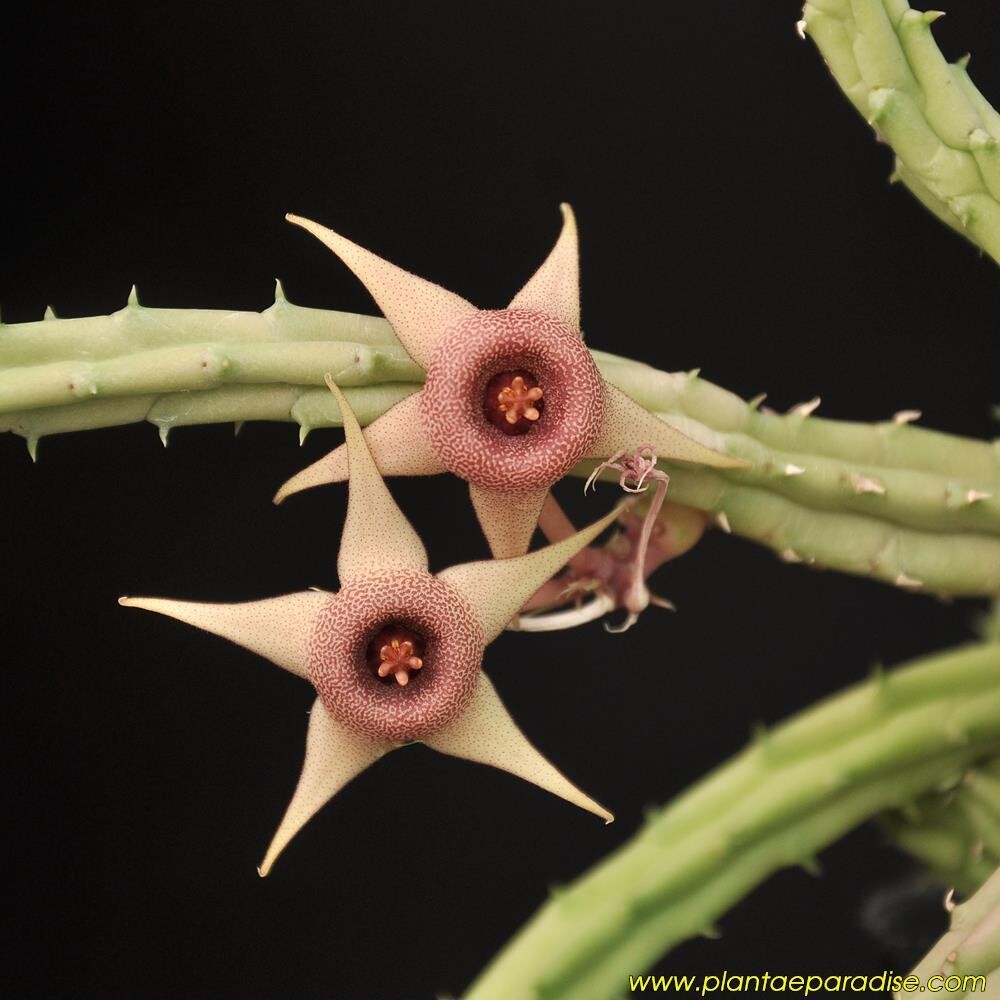
Huernia Procumbens
SKU ASC053
₹250.00
Sold out
Sold out
Save this product for later
Customer reviews
Reviews only from verified customers
No reviews yet. You can buy this product and be the first to leave a review.
Huernia Procumbens
Product Details
Origin of Name:
The genus name Huernia honors the Dutch botanist Karl Friedrich von Hueren, who studied succulent plants in the 19th century. The species name procumbens is derived from Latin, meaning “lying flat” or “trailing,” describing the plant’s low-growing, spreading habit. This combination highlights both the botanical dedication to taxonomy and the plant’s distinctive growth form, emphasizing its sprawling nature and charm as a groundcover or low-growing succulent.
Origin of Plant:
Native to the mountainous and arid regions of southern Africa, particularly South Africa and Namibia, Huernia procumbens thrives in rocky, well-drained soils. It has evolved to survive in harsh, dry environments where water is scarce, often growing on rocky slopes, outcrops, and rocky crevices. Its adaptability to extreme environments makes it a popular choice among succulent collectors and desert gardeners worldwide.
Description:
Huernia procumbens is a charming, low-growing succulent distinguished by its sprawling, ground-hugging habit. Its tiny, fleshy stems form dense mats, often only a few inches high, with numerous side branches. The plant’s notable feature is its eye-catching flowers—small, star-shaped, and tubular, usually in shades of deep red, brown, or maroon, often with contrasting markings that resemble intricate, natural lace. These blooms emerge unexpectedly along the stems, creating a striking display against its green, stippled or striped body. Its compact form and unique floral display make it a prized addition to rock gardens, terrariums, or succulent collections.
Conservation Status:
Huernia procumbens is not currently listed as threatened or endangered. Its widespread distribution and ease of cultivation contribute to its stable status. Responsible propagation from cultivated plants helps preserve wild populations and promotes sustainable horticultural practices.
Care:
This resilient succulent is easy to grow with the right conditions:
- Watering: Water sparingly, allowing the soil to dry completely between waterings. Reduce watering significantly in winter to prevent rot.
- Soil: Use a well-draining cactus or succulent mix, possibly supplemented with coarse sand or gravel for extra drainage.
- Light: Provide bright, indirect sunlight or partial shade; direct sun can promote vibrant flowering but be cautious of intense afternoon heat.
- Temperature: Prefers warm temperatures (USDA zones 9-11). Protect from frost and cold drafts, as it is sensitive to freezing conditions.
An Interesting Historical Anecdote:
Huernia procumbens is often called “Lifeline Plant” in some regions because of its tough, hardy nature—an embodiment of resilience in the face of extreme drought and rocky terrain. Its delicate, star-shaped flowers, often appearing unexpectedly, have inspired local stories in southern Africa about the plant’s role as a symbol of perseverance and hope. Cultivated for centuries by indigenous peoples and now cherished worldwide, it continues to symbolize endurance and the quiet beauty found in the most extreme environments.
You May Also Like
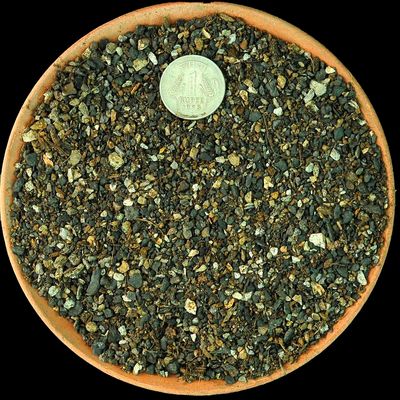
FORTIFIED Cactus & Succulent SOIL (FINE)
FORTIFIED Cactus & Succulent SOIL (FINE)
SKU MNS002
5.0
(4)
₹49.85
New
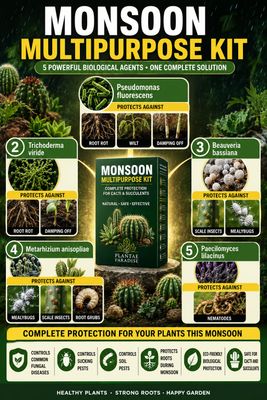
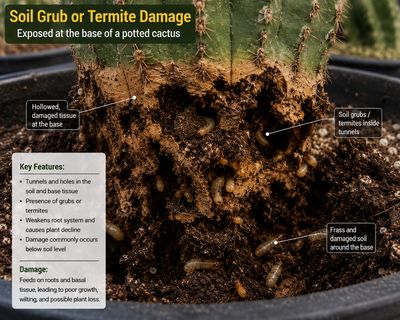
Monsoon Guardian Kit (5 in 1)
Monsoon Guardian Kit (5 in 1)
Complete 5-in-1 biological protection kit for cacti & succulents
SKU MNS024
₹850.00


Cactus Seed Planting Mix
Cactus Seed Planting Mix
Sterile, Fine-Grain Media for Cactus & Succulent Seeds
SKU MNS005
₹74.85

Cactus & Succulent Planting Mix FINE (aka Cactus Soil Mix or Succulent Soil Mix)
Cactus & Succulent Planting Mix FINE (aka Cactus Soil Mix or Succulent Soil Mix)
Fine-Grain Potting Mix for Cactus & Succulent Roots
SKU MNS001
5.0
(3)
₹39.85
Display prices in:INR
