
Categories
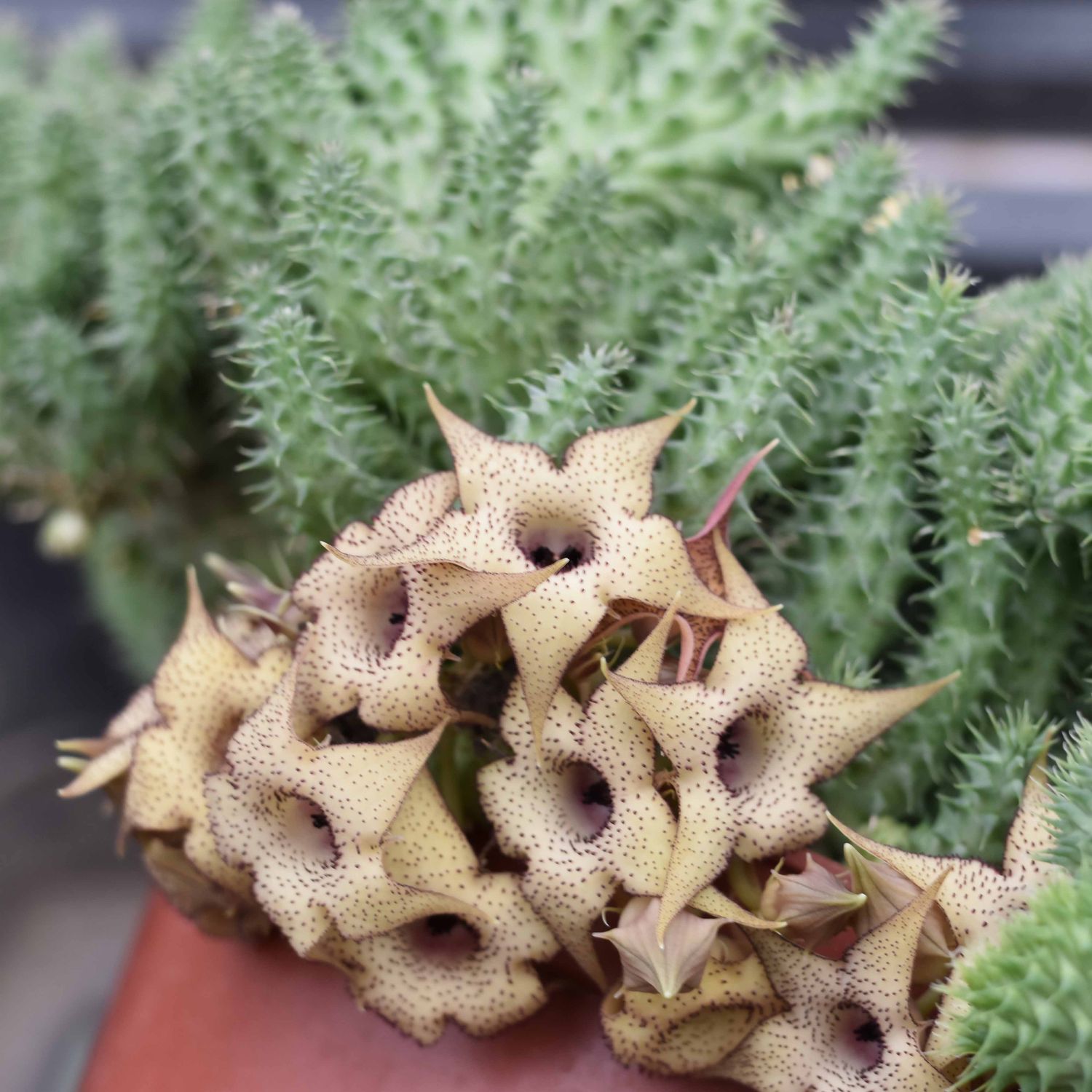
Huernia pillansii
SKU ASC074
₹530.00
Sold out
Sold out
Save this product for later
Customer reviews
Reviews only from verified customers
No reviews yet. You can buy this product and be the first to leave a review.
Huernia pillansii
Product Details
The Star-Haired Sentinel: Huernia pillansii
Commonly known as the Cocklebur, this rare stapeliad is prized for its prehistoric, bristling texture and dramatic, star-shaped maroon blooms.
- Origin & History of Name: The genus Huernia was named by Robert Brown in 1810 to honor Justin Heurnius, a Dutch missionary and the first European to document South African flora.
The specific epithet pillansii pays tribute to Neville Stuart Pillans, a prominent 20th-century South African botanist who discovered the species in the Cape Province around 1903. - Morphology: This succulent features soft, cylindrical stems covered in numerous soft, hair-like soft bristles called tubercles, which give the epidermis a fuzzy, cactus-like appearance despite being spineless. Unlike most stapeliads with sharp costae (ribs), its ribs are spirally arranged. The flowers are deeply lobed, featuring a papillose (bumpy) texture and a dark red corolla that mimics the scent of organic decay to attract specialized pollinators.
- Habitat & Origin: Huernia pillansii is a wild species endemic to the Little Karoo region of the Western Cape, South Africa.
It typically grows in the shade of scrub bushes in arid, stony environments. Our specimens are nursery-propagated via stem cuttings, ensuring the preservation of wild populations and adherence to sustainable horticultural practices. - Cultivation Profile:
- Substrate: Requires a highly porous, mineral-based mix (e.g., 60% grit/coarse sand, 20% perlite, 20% organic compost). Avoid heavy clay soils which retain lethal moisture.
- Light: Prefers bright, indirect light or filtered sunlight.
In the Indian subcontinent, protect from harsh midday sun to avoid epidermal scorching; a shaded balcony or 50% shade net is ideal. - Water/Dormancy: Follow a strict dry-down period between waterings. During the Indian monsoon, keep the plant strictly dry to prevent fungal pathogens. It enters a semi-dormant state in winter; reduce watering to once a month or when stems show slight shriveling.
- Scientific/Historical Anecdote: Huernia pillansii is often cited as a prime example of convergent evolution. Despite its appearance, it is not a cactus; it evolved its succulent, bristled form to survive in African deserts, mirroring the survival strategies of the Cactaceae family found in the Americas. Furthermore, its flowers utilize "carrion mimicry," using both color and pheromones to trick flies into acting as pollinators.
You May Also Like
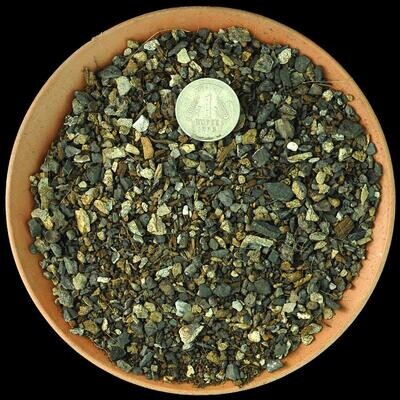
FORTIFIED Cactus & Succulent SOIL (COARSE)
FORTIFIED Cactus & Succulent SOIL (COARSE)
SKU MNS004
5.0
(11)
₹54.85
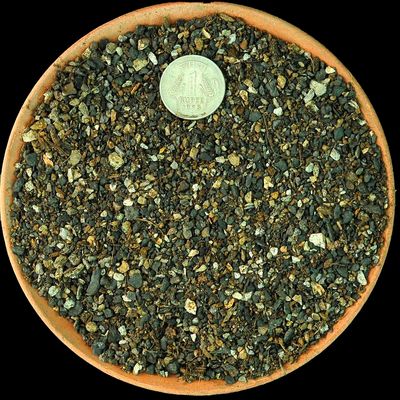
FORTIFIED Cactus & Succulent SOIL (FINE)
FORTIFIED Cactus & Succulent SOIL (FINE)
SKU MNS002
5.0
(4)
₹49.85

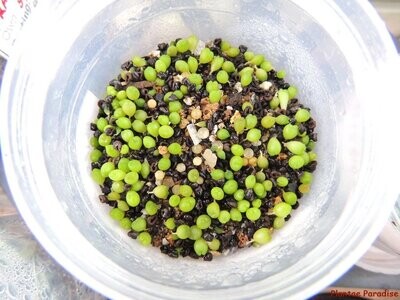
Cactus Seed Planting Mix
Cactus Seed Planting Mix
Sterile, Fine-Grain Media for Cactus & Succulent Seeds
SKU MNS005
₹74.85
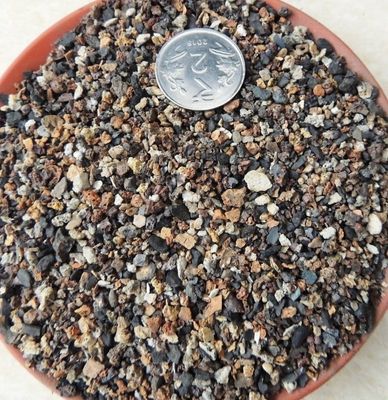
Cactus & Succulent Planting Mix FINE (aka Cactus Soil Mix or Succulent Soil Mix)
Cactus & Succulent Planting Mix FINE (aka Cactus Soil Mix or Succulent Soil Mix)
Fine-Grain Potting Mix for Cactus & Succulent Roots
SKU MNS001
5.0
(3)
₹39.85
Display prices in:INR
