
Categories
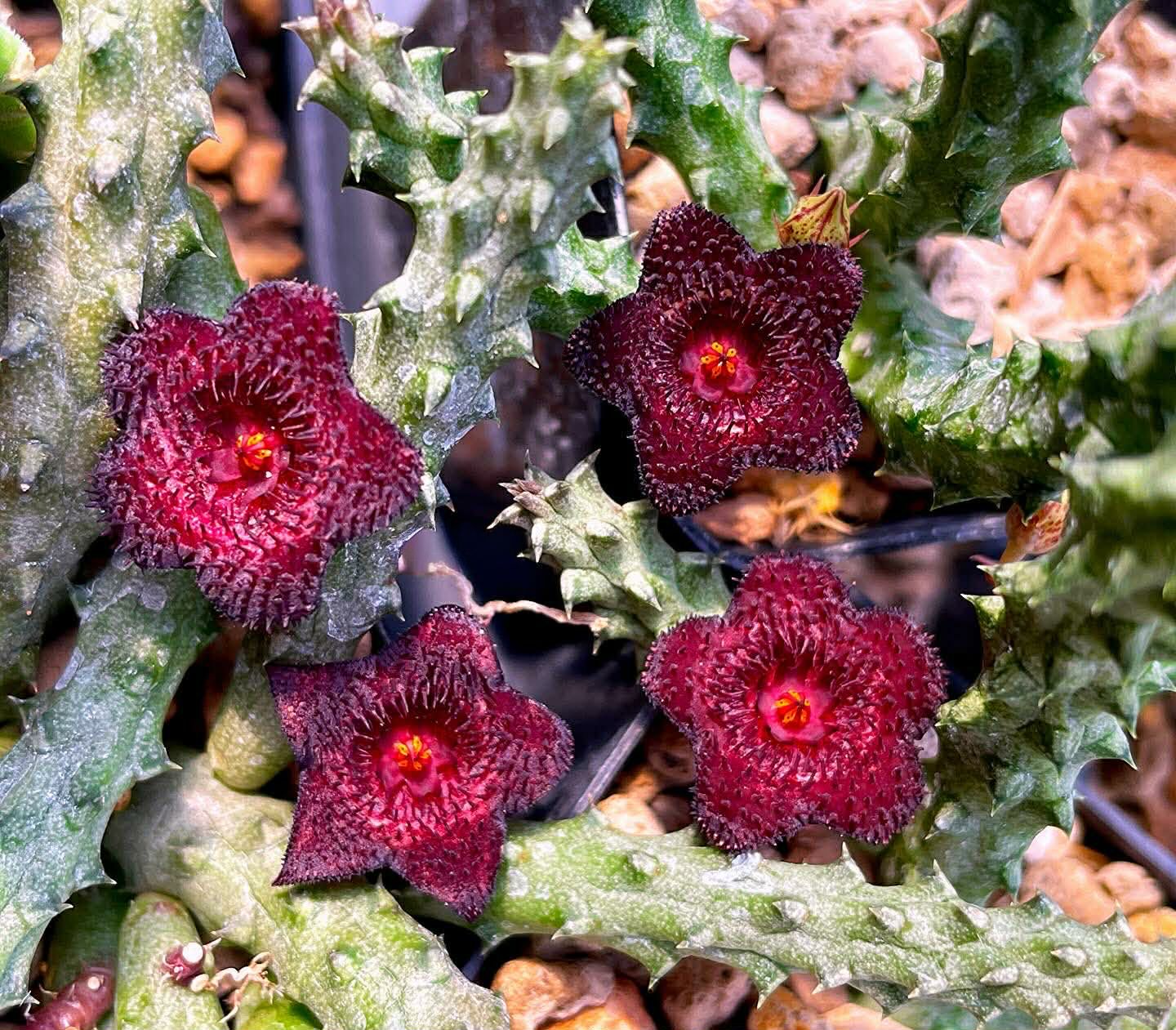
Huerniapelianthus P Red fluffy
SKU ASC097
₹200.00
Sold out
Sold out
Save this product for later
Customer reviews
Reviews only from verified customers
No reviews yet. You can buy this product and be the first to leave a review.
Huerniapelianthus P Red fluffy
Product Details
Crimson Eccentricity: Huernia pillansii 'Red Fluffy'
This botanical curiosity defies expectations with its hirsute, tactile stems and alien-like, deep-red campanulate blooms.
- Origin & History of Name: The genus Huernia was established by Robert Brown in 1810, named in honor of Justus Heurnius, a Dutch missionary and the first European to document South African flora.
The specific epithet pillansii commemorates Neville Stuart Pillans, a 20th-century South African botanist who discovered the species. The trade name "Red Fluffy" refers to the specific selection or hybrid vigor favoring deep crimson pigments and high trichome density. - Morphology: This succulent is characterized by its densely clustered, globose to cylindrical stems. The epidermis is obscured by soft, flexible protuberances known as tubercles, each tipped with a soft, hair-like bristle (seta) that creates a "fluffy" texture. Unlike many stapeliads with sharp costae (ribs), this form is more rounded. Its corolla is star-shaped and covered in fine papillae, mimicking the appearance and scent of carrion to attract specific pollinators.
- Habitat & Origin: The base species is native to the arid Little Karoo region of the Cape Province, South Africa.
This "Red Fluffy" selection is a cultivar stabilized through nursery cultivation for enhanced floral color and spine texture. It is sustainably produced via vegetative propagation, ensuring that no wild populations are disturbed for the commercial market. - Cultivation Profile:
- Substrate: Requires an open, highly porous mineral mix. Use a blend of 60% grit (coarse sand, scoria, or leca) and 40% organic compost.
- Light: Thrives in bright, indirect light or dappled shade. In the Indian subcontinent, protection from the harsh midday sun is mandatory to prevent epidermal scorching, particularly in April and May.
- Water/Dormancy: Follow a strict seasonal regimen. Apply moderate water when the substrate is dry during the growing season (monsoon/summer), but maintain near-total dryness during the winter months to prevent fungal pathogens at the root neck.
- Scientific/Historical Anecdote: Huernia species are masters of biological mimicry. Their flowers often evolve to resemble decaying organic matter in both texture and olfactory profile. This strategy, known as sapromyiophily, tricks carrion flies into acting as pollinators.
Interestingly, despite their "hairy" appearance, these plants are not true cacti but belong to the Apocynaceae family, making them distant relatives of the Milkweeds.
You May Also Like
New

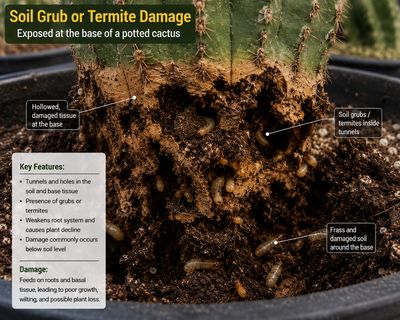
Monsoon Guardian Kit (5 in 1)
Monsoon Guardian Kit (5 in 1)
Complete 5-in-1 biological protection kit for cacti & succulents
SKU MNS024
₹850.00


Cactus Seed Planting Mix
Cactus Seed Planting Mix
Sterile, Fine-Grain Media for Cactus & Succulent Seeds
SKU MNS005
₹74.85

FORTIFIED Cactus & Succulent SOIL (COARSE)
FORTIFIED Cactus & Succulent SOIL (COARSE)
SKU MNS004
5.0
(11)
₹54.85
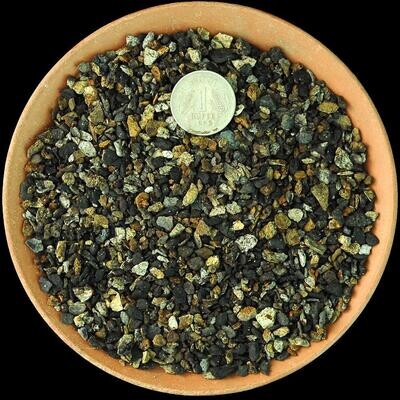
Cactus & Succulent Planting Mix COARSE (aka Cactus Soil Mix or Succulent Soil Mix)
Cactus & Succulent Planting Mix COARSE (aka Cactus Soil Mix or Succulent Soil Mix)
Washed, Free-Draining Mineral Mix for Cactus & Succulents
SKU MNS003
5.0
(1)
₹44.85
Display prices in:INR
