
Categories
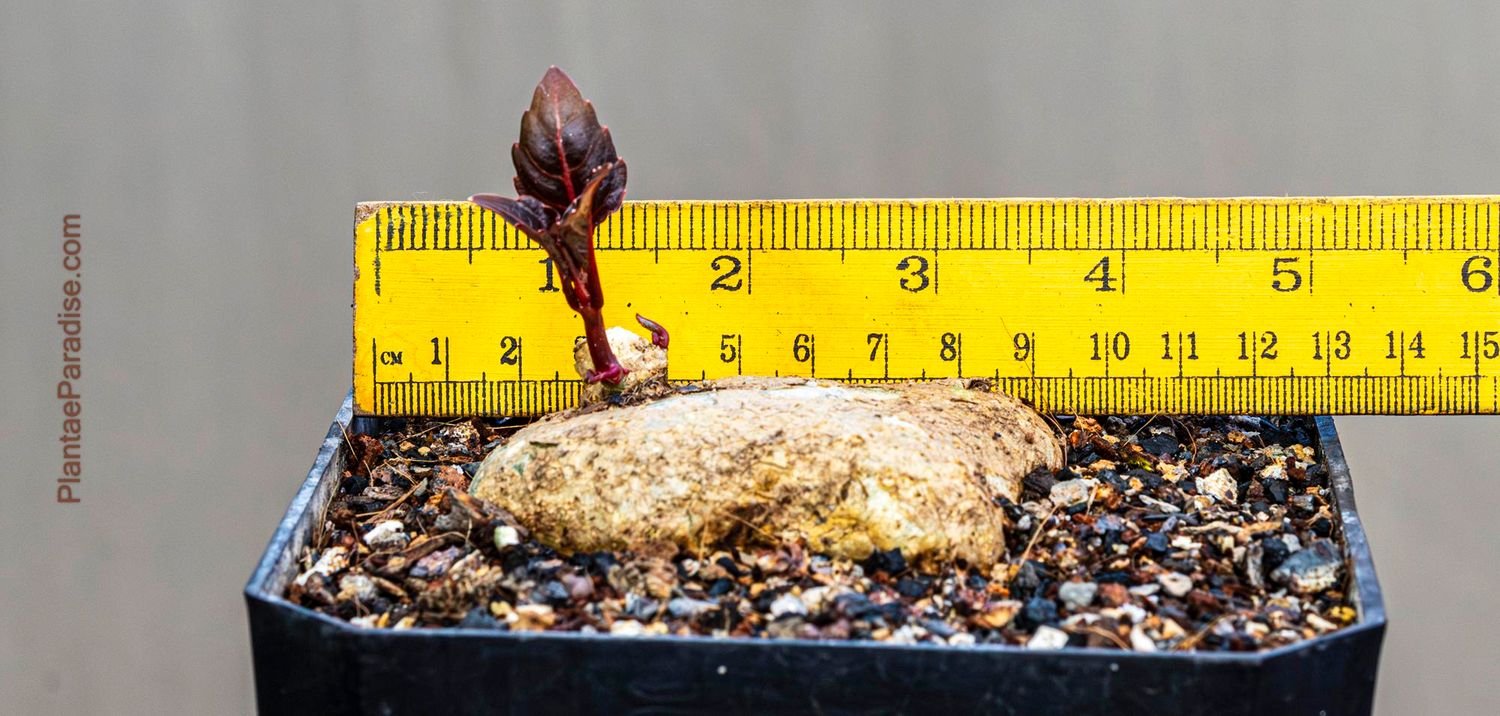
Impatiens mirabilis
SKU PA028
₹980.00
Sold out
Sold out
Save this product for later
Customer reviews
Reviews only from verified customers
No reviews yet. You can buy this product and be the first to leave a review.
Impatiens mirabilis
Product Details
Impatiens mirabilis is a rare and distinctive species of Impatiens endemic to Southeast Asia, characterized by its prominent, swollen caudex that functions as a water storage organ, an adaptation to its seasonally dry habitat. The caudex is woody, robust, and can exceed 60 cm (2 feet) in diameter, providing structural support and drought resilience. The plant produces large, ovate, or almond-shaped leaves that can reach up to 30 cm (1 foot) in length, arranged more or less alternately at the top of the stem, contributing to its lush, tropical appearance.
Throughout the year, Impatiens mirabilis generates numerous axillary and terminal inflorescences bearing showy, ornamental flowers in shades of yellow, white, or pink. The flowers are typically zygomorphic with bilateral symmetry, attracting pollinators such as insects. Seed dispersal is explosive; the fruits pop open when ripe, dispersing seeds away from the parent plant, facilitating a wide distribution in its native rocky limestone forests.
Ecologically, this species thrives in well-draining, slightly acidic to neutral soils, preferring bright, indirect light but avoiding direct, harsh sunlight which can cause leaf scorch. It is sensitive to overwatering, as excess moisture can lead to root rot; thus, it benefits from thorough watering followed by soil drying. Impatiens mirabilis is adapted to warm, humid conditions, with optimal growth temperatures between 21°C and 32°C (70°F to 90°F). In cultivation, it is well-suited for container planting, requiring a protected environment during cooler or drier periods.
Toxicologically, similar to other Impatiens species, it contains bitter-tasting, potentially slightly toxic compounds that may cause gastrointestinal discomfort if ingested. Its native range includes limestone forests and rocky substrates in southern Thailand and peninsular Malaysia, where it contributes to the biodiversity of seasonally dry tropical forest ecosystems. Its unique morphology and ornamental appeal make Impatiens mirabilis highly prized among collectors and enthusiasts of rare botanical species.
You May Also Like
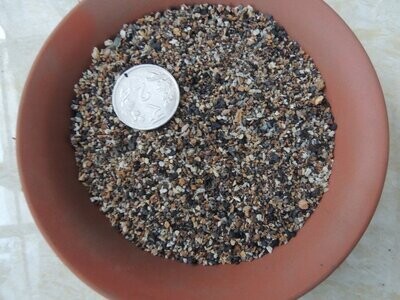
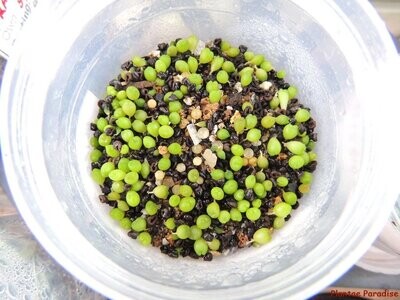
Cactus Seed Planting Mix
Cactus Seed Planting Mix
Sterile, Fine-Grain Media for Cactus & Succulent Seeds
SKU MNS005
₹74.85
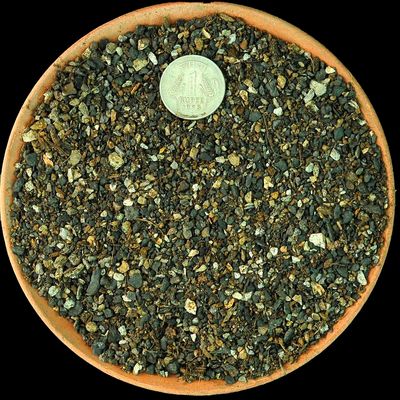
FORTIFIED Cactus & Succulent SOIL (FINE)
FORTIFIED Cactus & Succulent SOIL (FINE)
SKU MNS002
5.0
(4)
₹49.85
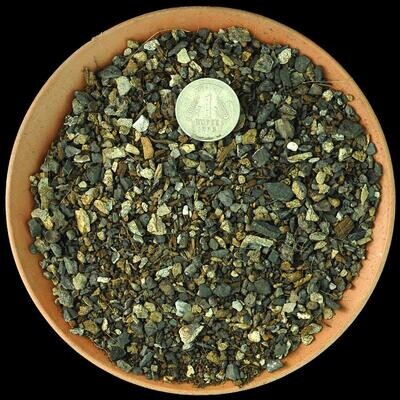
FORTIFIED Cactus & Succulent SOIL (COARSE)
FORTIFIED Cactus & Succulent SOIL (COARSE)
SKU MNS004
5.0
(11)
₹54.85
New
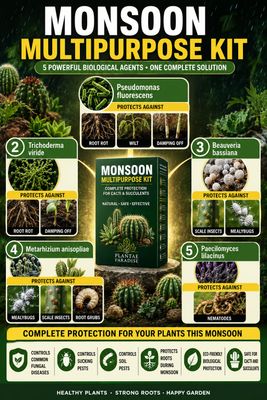
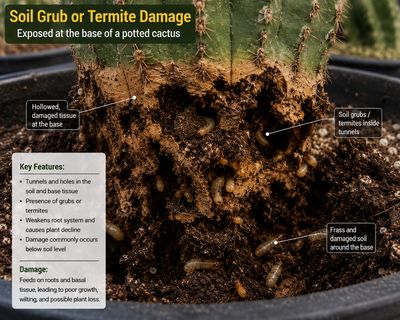
Monsoon Guardian Kit (5 in 1)
Monsoon Guardian Kit (5 in 1)
Complete 5-in-1 biological protection kit for cacti & succulents
SKU MNS024
₹850.00
Display prices in:INR
