
Categories
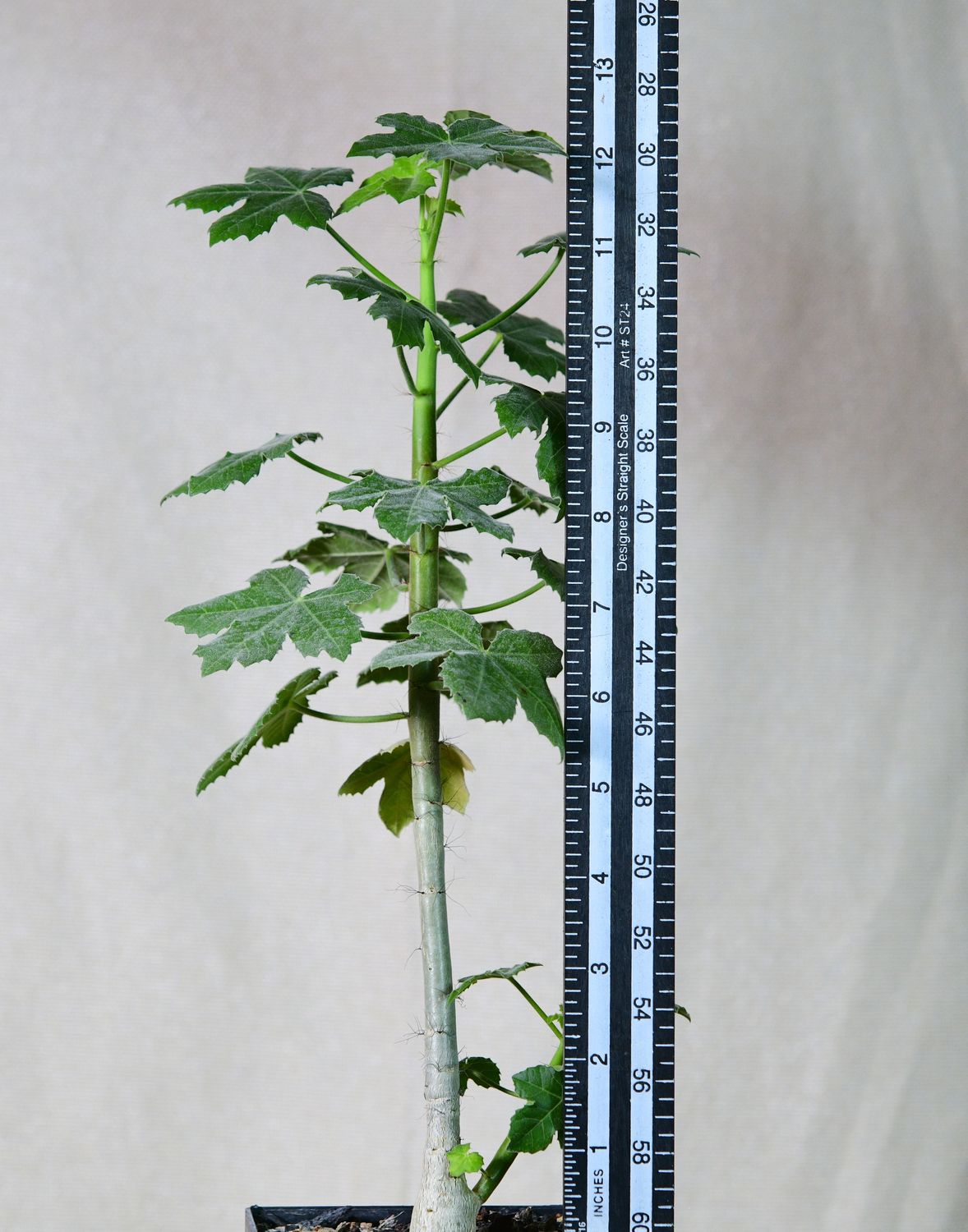
Jatropha spicata
SKU PA025
₹3 400.00
Sold out
Sold out
Save this product for later
Customer reviews
Reviews only from verified customers
No reviews yet. You can buy this product and be the first to leave a review.
Jatropha spicata
Product Details
Architectural Elegance: Jatropha spicata
A rare, sculptural succulent prized for its compact caudiciform habit and vibrant, spiked inflorescence.
- Origin & History of Name: The genus name Jatropha is derived from the Greek words iatros (physician) and trophe (food/nutrition), referencing the medicinal properties historically associated with the family. The specific epithet spicata originates from the Latin spica, meaning "spike" or "ear of grain," describing the distinctively elongated, upright arrangement of its flower clusters.
- Morphology: This species features a thickened, succulent stem base known as a caudex, which acts as a water reservoir. The epidermis is often smooth with a subtle glaucous sheen. It produces lobed, vibrant green leaves and is characterized by its spicate inflorescence, where small, typically coral-red flowers are borne on a central axis, providing a sharp geometric contrast to the rounded stem.
- Habitat & Origin: Jatropha spicata is a wild species native to the arid regions of East Africa, specifically Ethiopia, Kenya, and Tanzania. It thrives in rocky bushlands and deciduous woodlands. Our specimens are ethically propagated via seed or cuttings to ensure the preservation of wild populations and environmental sustainability.
- Cultivation Profile:
- Substrate: Use a strictly mineral-based mix (50% grit/pumice, 25% coarse sand, 25% organic matter) to ensure rapid drainage and prevent root rot.
- Light: Full morning sun to bright indirect light. In the Indian subcontinent, protect from the harsh 12:00 PM – 4:00 PM peak summer sun to prevent leaf scorch.
- Water/Dormancy: Water deeply when the substrate is completely dry during the growing season (March–October). During the Indian winter or monsoon humidity peaks, significantly reduce watering as the plant enters a semi-dormant state.
- Scientific/Historical Anecdote: Members of the Jatropha genus are famous in the world of ethnobotany and green energy; while J. spicata is an ornamental rarity, its close relative J. curcas has been extensively researched globally—and specifically by Indian institutes—as a primary sustainable source for bio-diesel production due to the high oil content in its seeds.
You May Also Like
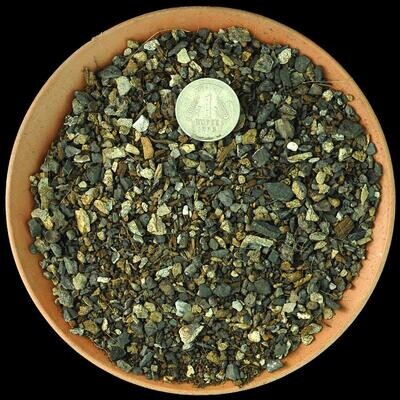
FORTIFIED Cactus & Succulent SOIL (COARSE)
FORTIFIED Cactus & Succulent SOIL (COARSE)
SKU MNS004
5.0
(12)
₹54.85
New

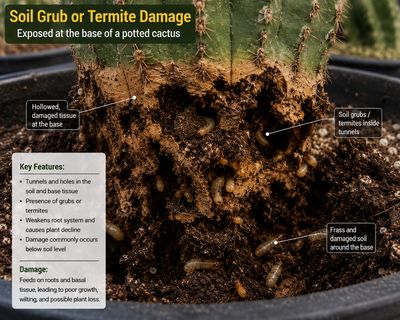
Monsoon Guardian Kit (5 in 1)
Monsoon Guardian Kit (5 in 1)
Complete 5-in-1 biological protection kit for cacti & succulents
SKU MNS024
₹850.00
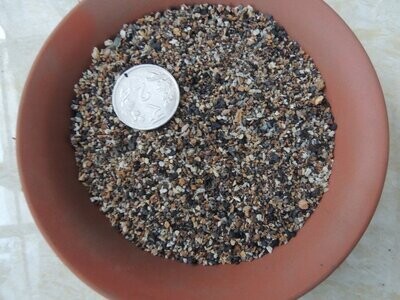
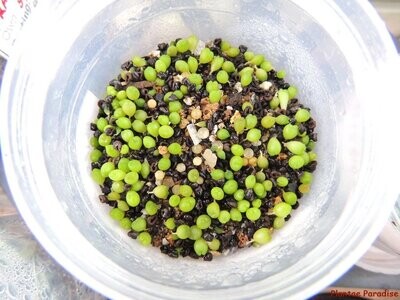
Cactus Seed Planting Mix
Cactus Seed Planting Mix
Sterile, Fine-Grain Media for Cactus & Succulent Seeds
SKU MNS005
₹74.85
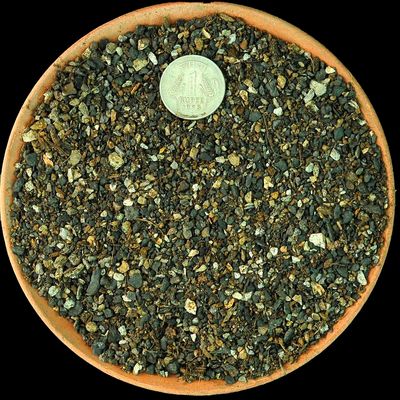
FORTIFIED Cactus & Succulent SOIL (FINE)
FORTIFIED Cactus & Succulent SOIL (FINE)
SKU MNS002
5.0
(4)
₹49.85
Display prices in:INR
