
Categories
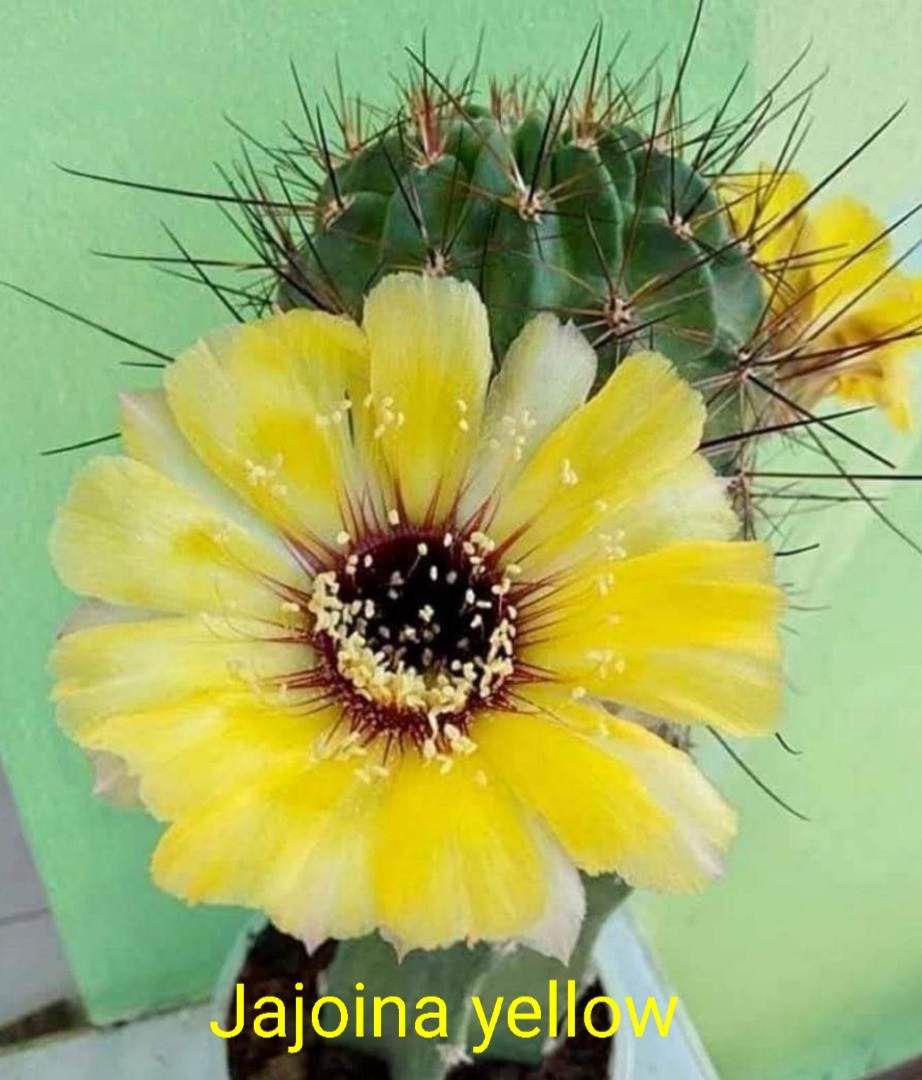
Lobivia Jajoina YELLOW
SKU LET364
₹950.00
In stock: 1 available
1
Save this product for later
Customer reviews
Reviews only from verified customers
No reviews yet. You can buy this product and be the first to leave a review.
Lobivia Jajoina YELLOW
Product Details
Radiant Core: Lobivia jajoiana 'Yellow'
A striking high-altitude rarity, this cultivar's golden petals dramatically contrast against a dark, velvety throat for a centerpiece-worthy bloom.
- Origin & History of Name: The genus name Lobivia is an anagram of Bolivia, the primary country of its origin.
This specific species was named in honor of Bohumil Jajó, a prominent 20th-century Czech cactus enthusiast and collector who specialized in South American mountain species. - Morphology: This solitary or clustering cactus features a dark green, globular epidermis with 10–14 distinct costae (ribs). It is distinguished by its unique floral anatomy: a "hymen" or ring of deep burgundy filaments at the base of the throat, contrasting with the satiny, spatulate yellow petals.
- Habitat & Origin: While the base species Lobivia jajoiana is native to the rocky, high-altitude regions of Salta and Jujuy in Northern Argentina, the 'Yellow' variant is a specialized cultivar selected for its specific color mutation. Our specimens are nursery-grown via sustainable propagation to protect wild populations.
- Cultivation Profile:
- Substrate: Use a strictly mineral-based mix (50% crushed pumice or perlite, 25% coarse river sand, 25% organic compost). Avoid standard garden soil which retains too much moisture in humid Indian climates.
- Light: Requires bright, filtered sunlight. In most parts of India, provide 4–6 hours of morning sun, but use a 50% shade net during intense summer afternoons to prevent epidermal scorching.
- Water/Dormancy: Follow a "soak and dry" method during the growing season (March–October).
During the Indian winter or monsoon, enter a strict dry dormancy; withhold water entirely if the ambient humidity is high to prevent root rot.
- Scientific/Historical Anecdote: Lobivia was once a standalone genus but is now technically classified under Echinopsis. Despite this, collectors maintain the name Lobivia because these plants evolved unique, short-lived, and incredibly vibrant flowers specifically to attract high-altitude pollinators in the thin Andean air.
You May Also Like
New
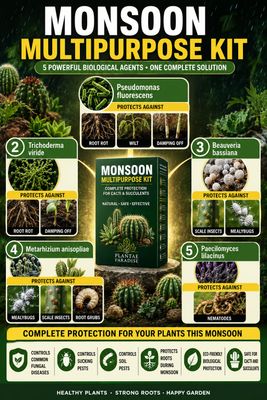
Monsoon Guardian Kit (5 in 1)
Monsoon Guardian Kit (5 in 1)
Complete 5-in-1 biological protection kit for cacti & succulents
SKU MNS024
₹850.00
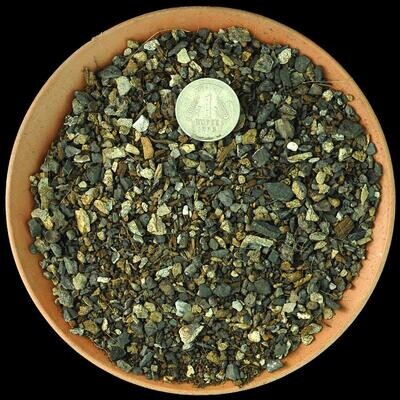
FORTIFIED Cactus & Succulent SOIL (COARSE)
FORTIFIED Cactus & Succulent SOIL (COARSE)
SKU MNS004
5.0
(11)
₹54.85

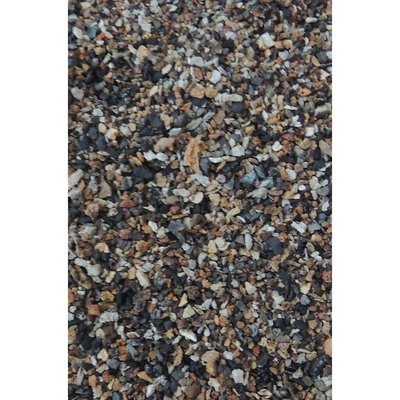
Cactus & Succulent Planting Mix FINE (aka Cactus Soil Mix or Succulent Soil Mix)
Cactus & Succulent Planting Mix FINE (aka Cactus Soil Mix or Succulent Soil Mix)
Fine-Grain Potting Mix for Cactus & Succulent Roots
SKU MNS001
5.0
(3)
₹39.85
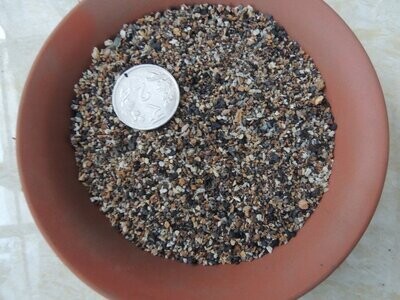
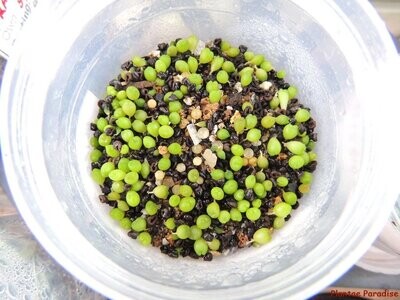
Cactus Seed Planting Mix
Cactus Seed Planting Mix
Sterile, Fine-Grain Media for Cactus & Succulent Seeds
SKU MNS005
₹74.85
Display prices in:INR
