
Categories
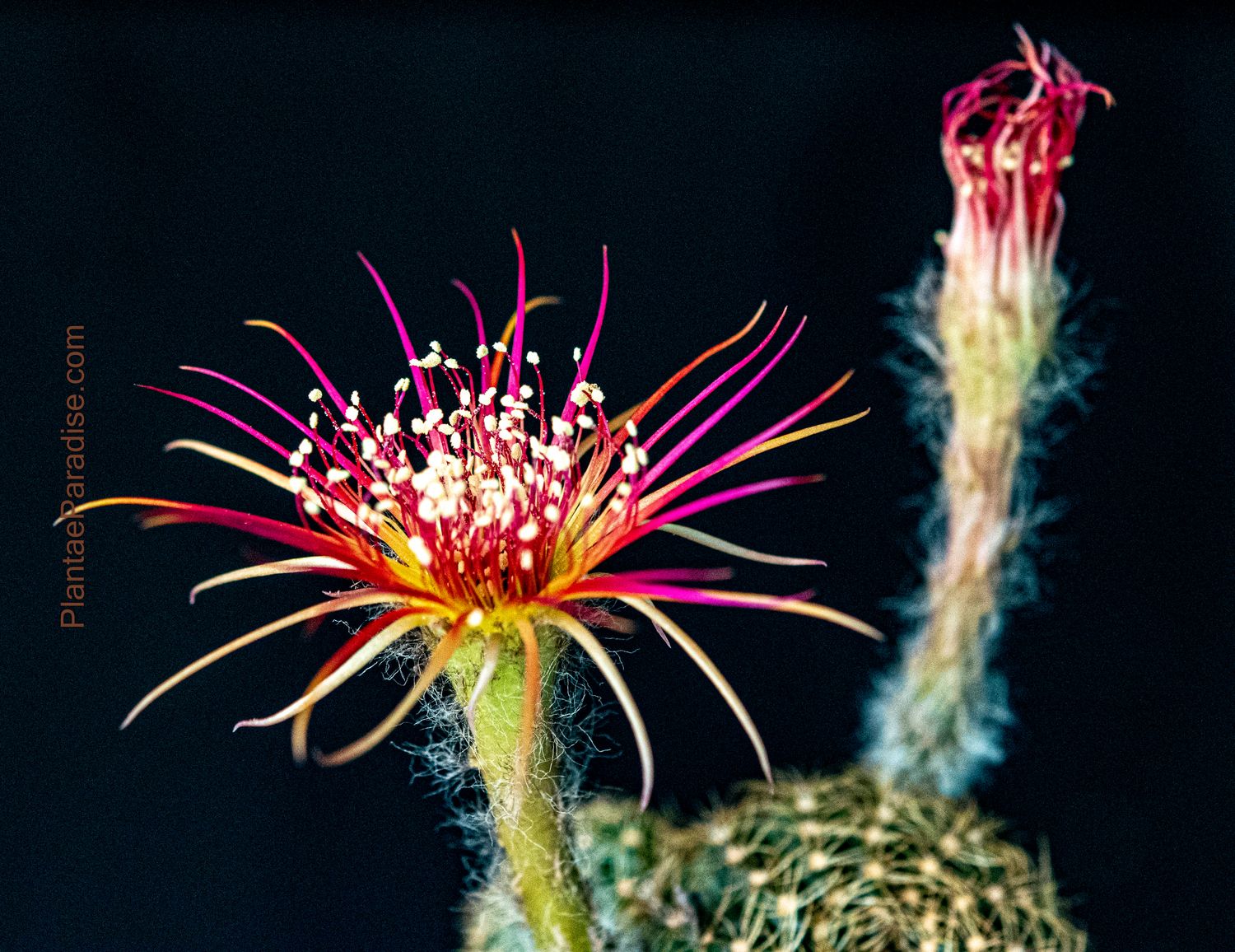
Lobivia Rainbow Shinshowa
SKU LET476
₹650.00
Sold out
Sold out
Save this product for later
Customer reviews
Reviews only from verified customers
No reviews yet. You can buy this product and be the first to leave a review.
Lobivia Rainbow Shinshowa
Product Details
Prismatic Radiance: Lobivia 'Rainbow Shinshowa'
A rare horticultural masterpiece prized for its breathtaking multi-toned blooms and compact, symmetrical form.
- Origin & History of Name: The genus name Lobivia is an anagram of Bolivia, the country where many species were first discovered.
'Rainbow' refers to the distinct color gradient of the bloom, while 'Shinshowa' is a cultivar name likely of Japanese origin, where extensive hybridization of the genus occurred in the late 20th century to enhance floral color and shape of petals into thin needle like form. - Morphology: This cactus features a globose to cylindrical epidermis with numerous well-defined costae (ribs) protected by short, pectinate spines. Its most striking feature is the flower: a funnelform bloom with thin, needle-like petals exhibiting a tricolor transition from a yellowish-orange base to vibrant magenta and deep pink tips.
- Habitat & Origin: This is a specialized cultivar. While the parent species originate from high-altitude regions in the Andes (Bolivia and Argentina), this specific hybrid was developed through selective breeding in a nursery environment. Our plants are propagated in-house, supporting sustainable trade and reducing pressure on wild Andean populations.
- Cultivation Profile:
- Substrate: Use a high-drainage mineral-based mix (coarse sand, perlite, and scoria). Avoid heavy garden soil which retains too much moisture for the sensitive root system.
- Light: Thrives in full sun to very bright indirect light. In the Indian plains, provide overhead shade during peak afternoon hours in May and June to prevent tissue burn.
- Water/Dormancy: Water thoroughly once the media is dry. During the Indian monsoon, ensure excellent air circulation to prevent rot. In winter, maintain a dry dormancy period to trigger the spring flowering cycle.
- Scientific/Historical Anecdote: The genus Lobivia was established by botanist Nathaniel Lord Britton and Joseph Nelson Rose in 1922.
Historically, these plants were valued for their extreme hardiness; because they evolved in thin mountain air, they are remarkably efficient at gas exchange, allowing them to produce flowers that are often much larger than the body of the cactus itself.
You May Also Like
New


Monsoon Guardian Kit (5 in 1)
Monsoon Guardian Kit (5 in 1)
Complete 5-in-1 biological protection kit for cacti & succulents
SKU MNS024
₹850.00
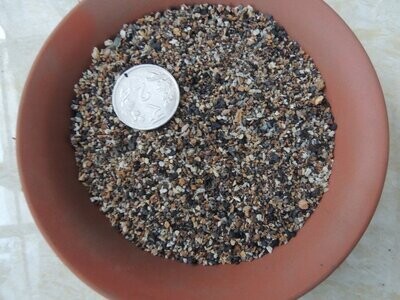
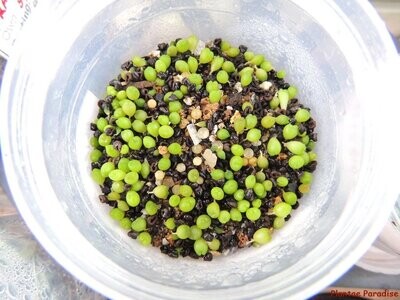
Cactus Seed Planting Mix
Cactus Seed Planting Mix
Sterile, Fine-Grain Media for Cactus & Succulent Seeds
SKU MNS005
₹74.85
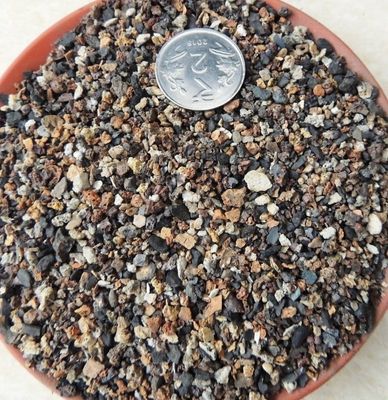

Cactus & Succulent Planting Mix FINE (aka Cactus Soil Mix or Succulent Soil Mix)
Cactus & Succulent Planting Mix FINE (aka Cactus Soil Mix or Succulent Soil Mix)
Fine-Grain Potting Mix for Cactus & Succulent Roots
SKU MNS001
5.0
(3)
₹39.85
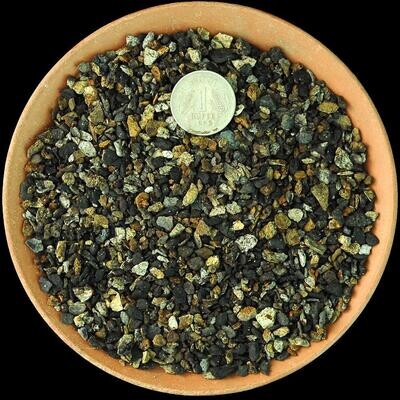
Cactus & Succulent Planting Mix COARSE (aka Cactus Soil Mix or Succulent Soil Mix)
Cactus & Succulent Planting Mix COARSE (aka Cactus Soil Mix or Succulent Soil Mix)
Washed, Free-Draining Mineral Mix for Cactus & Succulents
SKU MNS003
5.0
(1)
₹44.85
Display prices in:INR
