
Categories
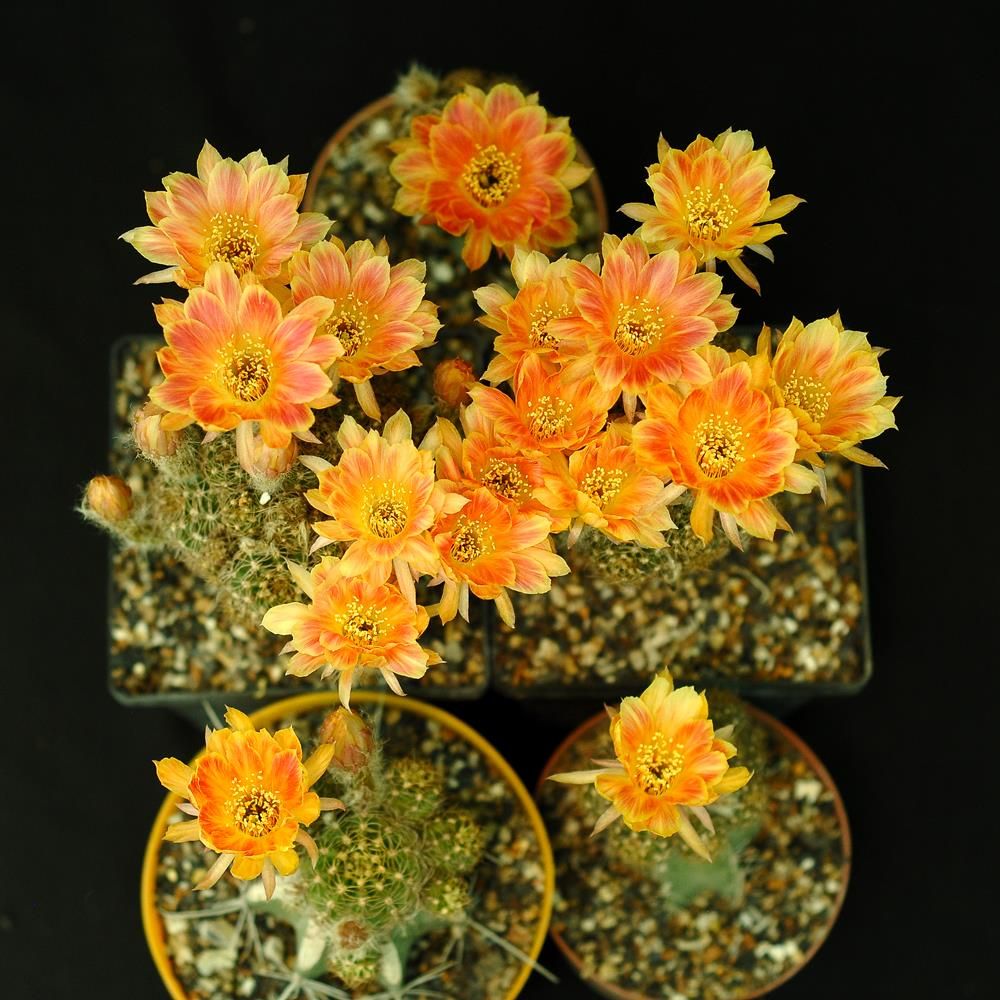
Lobivia Thai Hybrid PN513.2
SKU LET298
₹750.00
In stock: 1 available
1
Save this product for later
Customer reviews
Reviews only from verified customers
No reviews yet. You can buy this product and be the first to leave a review.
Lobivia Thai Hybrid PN513.2
Product Details
Solar Flare Gradient: Lobivia Thai Hybrid PN513.2
A masterwork of Thai hybridization featuring rare multi-petaled architecture and a vibrant sunset-hued transition.
- Origin & History of Name: The genus name Lobivia is a taxonomic anagram of Bolivia, the primary country of its origin. The designation "Thai Hybrid" reflects the modern epicenter of Echinopsis and Lobivia breeding, where enthusiasts have spent decades refining floral aesthetics. "PN513.2" is a specific breeder’s code used to track the lineage and genetic stability of this particular specimen, ensuring the consistency of its unique gradient.
- Morphology: This specimen exhibits a globose to cylindrical epidermis with well-defined costae (ribs) that host woolly areoles. Its most striking feature is the multi-petaled floral structure, a departure from the standard single-row bloom. The petals display a high concentration of betalain pigments, creating a seamless transition from a saturated orange periphery to a luminous yellow throat, anchored by a dense cluster of filamentous yellow stamens.
- Habitat & Origin: This plant is a specialized cultivar; it does not exist in the wild. It was developed through selective cross-breeding in Thailand, a global leader in succulent horticulture. These hybrids are propagated in controlled nursery environments, ensuring that wild populations in the Andes remain undisturbed and promoting sustainable trade within the hobby.
- Cultivation Profile:
- Substrate: Use a highly porous, mineral-based mix (70% grit such as pumice or scoria, 30% organic matter). Avoid heavy clay-based garden soil common in local plains.
- Light: Requires bright, filtered sunlight. In the Indian subcontinent, provide 40–50% green shade net protection during peak summer (April–June) to prevent epidermal scorching.
- Water/Dormancy: Follow a "soak and dry" cycle. In the Indian monsoon, ensure absolute drainage to prevent root rot. During the cooler winter months (November–February), significantly reduce watering to induce dormancy, which is essential for triggering the next season's blooms.
- Scientific/Historical Anecdote: The genus Lobivia was first established by botanist Nathaniel Lord Britton and Joseph Nelson Rose in 1922. For decades, it remained a distinct genus until modern DNA sequencing integrated it into Echinopsis. However, collectors still maintain the name Lobivia to distinguish these smaller, day-blooming highland species from their larger, nocturnal-blooming relatives.
You May Also Like
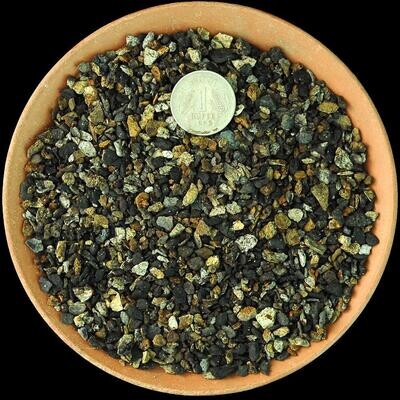
Cactus & Succulent Planting Mix COARSE (aka Cactus Soil Mix or Succulent Soil Mix)
Cactus & Succulent Planting Mix COARSE (aka Cactus Soil Mix or Succulent Soil Mix)
Washed, Free-Draining Mineral Mix for Cactus & Succulents
SKU MNS003
5.0
(1)
₹44.85
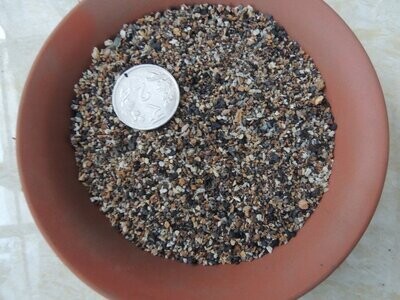
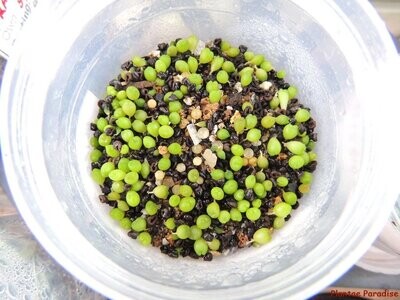
Cactus Seed Planting Mix
Cactus Seed Planting Mix
Sterile, Fine-Grain Media for Cactus & Succulent Seeds
SKU MNS005
₹74.85
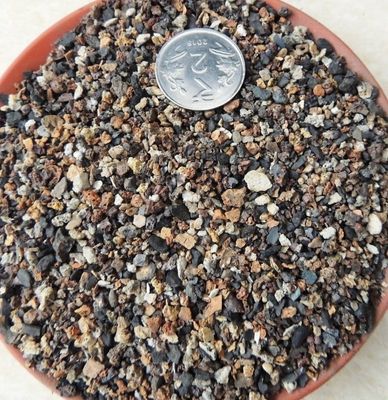
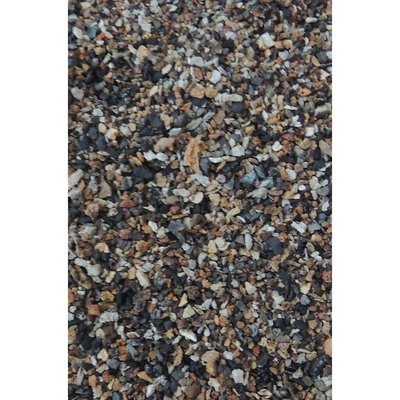
Cactus & Succulent Planting Mix FINE (aka Cactus Soil Mix or Succulent Soil Mix)
Cactus & Succulent Planting Mix FINE (aka Cactus Soil Mix or Succulent Soil Mix)
Fine-Grain Potting Mix for Cactus & Succulent Roots
SKU MNS001
5.0
(3)
₹39.85
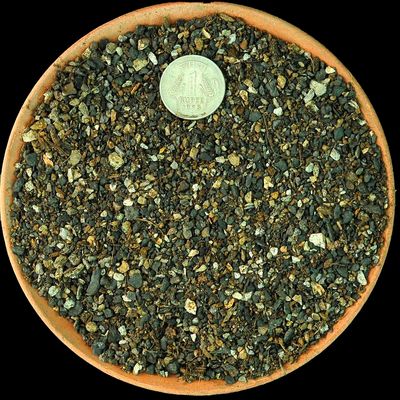
FORTIFIED Cactus & Succulent SOIL (FINE)
FORTIFIED Cactus & Succulent SOIL (FINE)
SKU MNS002
5.0
(4)
₹49.85
Display prices in:INR
